A tub to shower conversion can make a Miami bathroom safer, easier to clean, and better suited to modern living. The real value comes from smart planning: knowing what affects cost, how long each phase takes, and which materials hold up best in South Florida humidity, daily use, and design-driven homes.
Tub to Shower Conversion Cost & Timeline in Miami
A tub to shower conversion is one of the most practical bathroom upgrades for Miami homeowners. It can open up a tight layout, improve accessibility, and give an older bath a cleaner, more current look. In condos in Brickell, family homes in Coral Gables, and investment properties across Miami-Dade, this type of update is often chosen because it improves daily use without requiring a full gut renovation.
The final price depends on more than just removing the tub. Plumbing changes, waterproofing, tile selection, shower glass, permit needs, and the condition of the walls and subfloor all affect the scope. If you are comparing options, it also helps to view our completed projects to see how layout, finish level, and material choices can change the overall result.
What is included in a typical conversion?
Most projects follow the same core path: remove the existing tub, prepare the framing, update plumbing as needed, build a new shower base, waterproof the enclosure, install tile, add fixtures, and finish with glass or a curtain setup. In many Miami homes, especially older properties, contractors also need to address hidden issues like moisture damage, uneven walls, or outdated drain locations.
If the bathroom is part of a larger home update, it may make sense to discover full home renovation options so the shower conversion works with new flooring, vanity upgrades, lighting, and paint.
What Affects Tub to Shower Conversion Cost?
The biggest cost driver is how much construction is required behind the finished surface. A simple swap in the same footprint costs less than a redesign that moves plumbing or expands the shower area. Miami and South Florida homes also have local factors, including condo rules, inspection schedules, and Florida code requirements for waterproofing, drainage, and electrical safety in wet areas.
Main cost factors homeowners should expect
Before pricing starts, a contractor usually looks at the bathroom’s age, existing conditions, and finish level. These are the most common variables:
- Demolition complexity, including cast iron tubs, concrete walls, or limited access in condos
- Plumbing adjustments, especially if the drain or valve location must move
- Waterproofing system quality and whether wall repairs are needed
- Tile choice, including porcelain shower tile or custom patterns
- Glass enclosure type, from standard panels to custom frameless doors
- Fixture upgrades such as rain heads, handheld sprayers, niches, benches, and linear drains
Material selection makes a major difference. For example, porcelain shower tile is a strong fit for South Florida bathrooms because it is dense, moisture-resistant, and easy to maintain. A large format porcelain tile shower can also reduce grout lines, which many homeowners prefer for a cleaner look and simpler upkeep. That matters in humid Miami bathrooms where mildew control is part of the long-term maintenance plan.
Miami examples by project type
A straightforward tub to shower conversion in a newer condo may stay relatively predictable if the plumbing remains in place and the building allows standard work hours and debris removal. A more detailed remodel in Coconut Grove or Pinecrest may involve custom tile work, recessed niches, upgraded lighting, and new flooring transitions. In older homes, contractors may uncover water-damaged framing or outdated supply lines that should be corrected while the walls are open.
That is why homeowners should ask whether the estimate includes tile backer, waterproof membrane, drain assembly, and final finish details. Plumbing work is especially important, and it helps to learn about plumbing services when comparing quotes for shower valve replacement, drain relocation, and fixture installation.
| Project Type | Typical Scope | Timeline Range |
|---|---|---|
| Basic conversion | Remove tub, install shower base, standard wall tile, simple fixture swap | About 1 week |
| Mid-range custom shower | Waterproofing, niche, upgraded porcelain tile, glass enclosure | 1 to 2 weeks |
| Complex remodel | Plumbing relocation, framing repair, custom glass, electrical updates | 2+ weeks |
These ranges can shift based on inspections, product lead times, and condo building requirements. In Miami Beach and Brickell towers, scheduling freight elevators and approved work windows can add time even for a smaller bathroom remodel.
How Long Does a Tub to Shower Conversion Take?
Most homeowners want to know the timeline as early as the budget. A tub to shower conversion in Miami can move quickly when the layout stays the same, but the process still has several steps that should not be rushed. Waterproofing, tile curing, and glass measuring all require proper sequencing.
Typical project stages
Here is how the schedule usually breaks down:
- Planning and measurements: final layout, finish selections, and scope review
- Permits if required: this depends on plumbing, electrical, and local jurisdiction
- Demolition: tub removal and opening walls where needed
- Rough work: plumbing, framing, and any electrical changes
- Shower pan and waterproofing: one of the most important phases for long-term durability
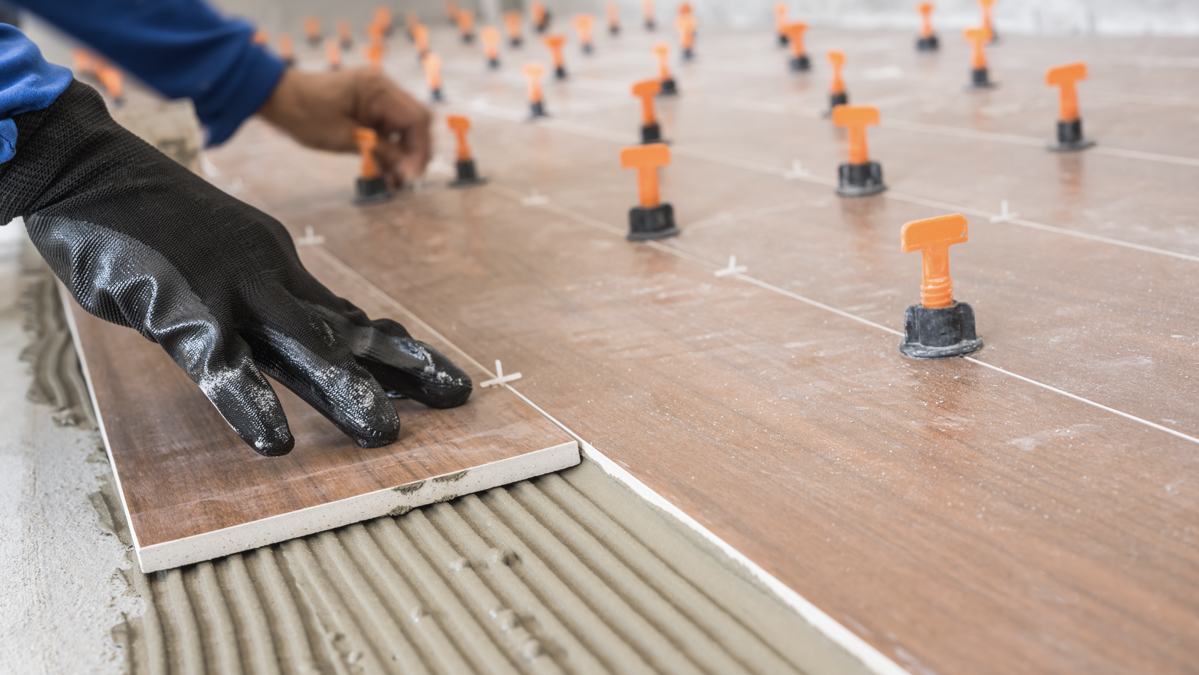
- Tile installation: including wall prep, setting, grouting, and curing time
- Fixture and glass installation: trim pieces, shower door, and final punch list
If you are wondering how to tile a bathroom shower, the answer starts with substrate prep and waterproofing, not just the tile itself. A good-looking shower can still fail if the drain slope is wrong or the wall system is not sealed correctly. That is why experienced installers pay close attention to membranes, corners, penetrations, and movement joints.
Why some Miami projects take longer
South Florida conditions can affect scheduling in ways homeowners do not always expect. High humidity can slow dry times for certain materials. Imported tile or custom glass may have lead times. In older homes, walls are not always square, which can complicate a large format porcelain tile shower because larger pieces require flatter surfaces and tighter planning. If the bathroom also needs lighting changes, GFCI protection, or exhaust improvements, it is smart to explore electrical upgrades during the same project instead of reopening finished walls later.
For homeowners focused on maintenance after the remodel, daily care matters too. Learning how to clean shower glass door panels with a non-abrasive cleaner and regular squeegee use helps reduce hard water buildup. Knowing how to clean shower tub areas around the remaining bathroom surfaces also helps preserve grout, caulk, and fixture finishes. These small habits protect the look of the remodel and reduce long-term repair needs.
Best Material Choices for Miami Bathrooms
Design matters in Miami, but durability matters just as much. A shower should fit the home’s style, whether that is contemporary tropical, Mediterranean Revival, Mid-Century Modern, or a clean condo look with minimal lines. The best materials balance appearance, water resistance, and maintenance.
Why porcelain is often the top pick
Porcelain shower tile is one of the best options for tub-to-shower projects because it handles moisture well and comes in a wide range of finishes. It can mimic stone, concrete, or wood while offering easier care than many natural materials. For homeowners who want a sleek, upscale finish, a large format porcelain tile shower creates a more seamless visual effect and can make a compact bathroom feel bigger.
Glass, grout color, slip resistance, and fixture finish should all be chosen together. In South Florida homes near the coast, salt air and humidity can be tough on lower-quality metal finishes, so product selection matters. If you are planning a bathroom update and want expert guidance on layout, waterproofing, and finish coordination, you can request a free consultation with a licensed, insured remodeling team familiar with Miami homes and local construction standards.
Design Choices That Change Cost, Timeline, and Maintenance
Finish selections can make a tub to shower conversion feel simple or highly custom. In Miami homes, the right choices should match both the style of the property and the way the bathroom is used every day. A guest bath in Aventura may need a clean, low-maintenance setup, while a primary bath in Coral Gables may call for a more detailed layout with built-in storage, upgraded lighting, and frameless glass.
Shower base, tile, and glass options
One of the first decisions is whether to use a prefabricated shower base or a site-built tiled pan. A prefabricated base can speed up installation and reduce labor, which may help keep the tub to shower conversion on schedule. A custom tiled base offers more design flexibility, especially when homeowners want a curbless entry, a linear drain, or a specific tile pattern.
Wall finishes also affect both appearance and upkeep. If you are comparing materials, these are the most common choices:
- Porcelain shower tile for durability, water resistance, and easy cleaning
- Ceramic tile for a wider budget range, though it may be less dense than porcelain
- Large format porcelain tile shower walls for a sleek look with fewer grout joints
- Mosaic tile on shower floors for better slip resistance and easier slope control
Glass can shift the budget quickly. A fixed panel is usually simpler than a hinged or sliding enclosure. Custom frameless glass looks polished, but it often adds measuring time after tile is complete. In many Miami condo remodels, that means the bathroom may be functional before the final glass is installed, but not fully finished until the panel or door arrives.
Features that homeowners often add
Many shower conversions include upgrades that improve comfort and resale appeal. These features are common in South Florida remodels because they add convenience without changing the full bathroom footprint:
- Recessed shampoo niches to reduce clutter
- Built-in benches for comfort and accessibility
- Handheld sprayers for easier cleaning and flexible use
- Grab bars or blocking in the walls for future aging-in-place needs
These additions are easier to install while the walls are open. If the project also includes wall patching outside the shower area, it may help to review drywall repair and finishing services so the entire bathroom looks consistent once construction is complete.
How to Plan a Smoother Tub to Shower Conversion in Miami
A good plan keeps small decisions from turning into delays. For a tub to shower conversion, the smoothest projects usually happen when materials are selected early, building rules are confirmed in advance, and homeowners understand which items require lead time. This matters even more in Miami Beach, Brickell, and other condo-heavy areas where access, parking, and debris removal can affect the daily work schedule.
Questions to ask before work starts
Before signing a contract, homeowners should ask clear questions about scope, permits, and finish details. This helps avoid misunderstandings once demolition begins.
- Will the plumbing stay in the same location or need to move?
- What waterproofing system will be used behind the tile?
- Is the estimate based on standard tile sizes or custom installation?
- Are shower glass, fixtures, and trim included in the timeline?
- Will permits or inspections be required by the city or condo association?
For many bathrooms, floor transitions also deserve attention. If the old tub area meets outdated tile outside the shower, replacing the surrounding surface may create a cleaner result. Homeowners planning a broader update can explore flooring solutions that coordinate with the new shower and improve slip resistance in wet areas.
Common delays and how to reduce them
Most delays come from product availability, hidden damage, or approvals. A contractor may remove the tub and find soft framing, old plumbing connections, or wall conditions that are not suitable for tile. In older Miami-Dade homes, this is not unusual. The best way to reduce surprises is to build a realistic schedule and allow room for corrections if the bathroom has not been updated in many years.
Here is a quick comparison of what tends to move faster and what usually adds time:
| Project Choice | Usually Faster | Usually Slower |
|---|---|---|
| Shower base | Prefabricated base | Custom tiled pan |
| Wall finish | Standard stacked tile | Large format porcelain tile shower with detailed cuts |
| Enclosure | Curtain or fixed panel | Custom frameless glass door |
| Layout | Existing plumbing kept in place | Drain or valve relocation |
If your bathroom update is part of a larger property improvement, it can also help to learn about remodeling in Brickell or compare how local conditions affect scheduling in different building types across South Florida.
Cleaning and Long-Term Care After the Remodel
Once the new shower is finished, regular maintenance protects the investment. A well-built tub to shower conversion should be easier to care for than an older tub surround, especially when it uses quality waterproofing, durable grout, and well-selected tile. Still, daily habits make a difference in Miami’s humid climate.
Simple cleaning habits that help the shower last
Homeowners often ask how to clean shower glass door surfaces without damaging the finish. The safest approach is usually a soft cloth or squeegee after use, plus a non-abrasive cleaner made for glass. This helps reduce soap film and hard water marks, especially in frameless enclosures where buildup is easy to see.
Another common question is how to clean shower tub areas if part of the bathroom still has a tub, ledges, or adjacent wet surfaces. The same rule applies: use non-abrasive cleaners, avoid harsh tools that can scratch coatings, and keep caulk lines dry when possible. Ventilation matters too. Running the exhaust fan after showers helps reduce moisture that can shorten the life of grout and sealants.
Maintenance tips for tile and grout
If you want the tile to stay sharp-looking, focus on prevention more than deep cleaning. Homeowners researching how to tile a bathroom shower often focus on style, but long-term performance depends on details like grout joints, sealant condition, and proper slope to the drain.
These habits can help:
- Squeegee shower glass and tile after use when possible
- Clean grout lines gently before buildup becomes heavy
- Check corners and fixture penetrations for worn caulk
- Avoid acidic or abrasive products on specialty finishes
Porcelain shower tile is one of the easiest surfaces to maintain, which is one reason it remains such a popular option in Miami remodels. It handles moisture well, works with many design styles, and holds up to daily use in both family homes and rental properties.
Choosing the Right Contractor for the Job
A shower conversion may look straightforward, but the quality of the hidden work matters as much as the finished tile. Proper waterproofing, drain setup, plumbing connections, and substrate preparation all determine whether the shower performs well for years. That is why homeowners should look for a licensed, insured team with real remodeling experience, not just a quick installer focused on surface-level changes.
It also helps to work with a company that understands Miami permitting, condo rules, and South Florida material performance. Whether the goal is a simple update or a custom shower with porcelain shower tile and frameless glass, careful planning leads to a better result.
If you are ready to update an older bathroom, learn more about Newrome and the company’s approach to craftsmanship, project coordination, and renovation quality. For homeowners who want expert guidance on layout, materials, and scheduling, the next step is to request a free consultation. A well-planned tub to shower conversion can improve daily comfort, support long-term value, and give your Miami home a cleaner, more modern bathroom that fits the way you live.