Choosing between laminate vs vinyl flooring in Florida is about more than looks. Miami heat, humidity, sand, pets, and wet entryways can quickly expose the wrong choice. This guide explains how LVP and laminate really perform in South Florida homes, so you can invest in floors that match your style, budget, and daily life.
Laminate vs Vinyl Flooring: What Florida Homeowners Need to Know First
If you are comparing laminate vs vinyl flooring for a Miami home, climate should be one of your first filters. Both materials can mimic hardwood, both come in stylish finishes, and both are often more budget-friendly than real wood. But in South Florida, moisture resistance matters just as much as appearance.
For many homeowners in Miami-Dade, Brickell, Coral Gables, and Pinecrest, the real question is not just vinyl vs laminate flooring in general. It is how each product handles humid air, tracked-in rain, beach sand, air conditioning cycles, and everyday wear. That is why floor selection often becomes a key part of a larger full home renovation or a targeted flooring upgrade.
What is luxury vinyl plank?
Luxury vinyl plank, often called LVP, is a synthetic flooring product designed to look like wood. It is usually made with multiple layers, including a wear layer, a printed design layer, and a waterproof or highly water-resistant core. Many modern LVP products use click-lock installation, which makes them practical for remodels where speed and minimal disruption matter.
What is laminate flooring?
Laminate also uses layered construction, with a photographic design layer that can closely resemble hardwood, stone, or tile. The main difference between vinyl and laminate flooring is the core. Traditional laminate usually has a fiberboard-based core, which can be more vulnerable to swelling if moisture gets into the seams or underneath the planks.
That core difference is a major reason why laminate flooring vs vinyl becomes a more serious decision in Florida than it might be in a drier climate.
LVP vs Laminate in Miami’s Humid Climate
Humidity changes how flooring performs over time. In South Florida, indoor spaces may be air-conditioned all day, then exposed to warm, damp air when doors open frequently. Add wet shoes, pool traffic, or a minor plumbing issue, and flooring gets tested fast.
Why vinyl often has the edge
LVP is usually the safer pick for moisture-prone areas. Many products are fully waterproof, which makes them a strong option for condos near the water, family homes with kids, and investment properties with heavy turnover. In Miami Beach and Coconut Grove, where salt air and humidity are part of daily life, waterproof flooring can reduce long-term headaches.
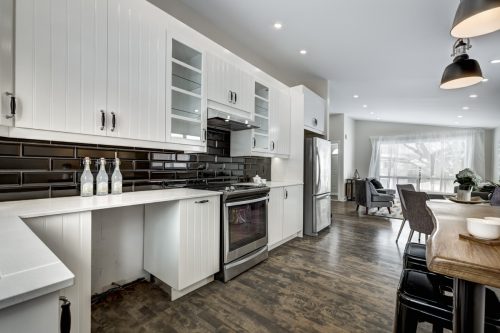
Vinyl flooring vs laminate is especially worth considering in spaces where spills are common, such as kitchens, entryways, and laundry zones. Homeowners planning to explore kitchen remodeling services often choose LVP because it pairs well with open layouts and holds up better around appliances and sinks.
Where laminate can still work well
Laminate is not automatically a bad choice for Florida homes. In dry bedrooms, formal living spaces, or upper-level areas with stable indoor conditions, quality laminate can perform well and look great. Some newer laminate lines also offer improved water resistance, though they still tend to be less forgiving than LVP if standing water sits too long.
If you love the feel of a firmer floor underfoot or want a product that can closely mimic the texture of real wood, laminate may still deserve a place on your shortlist.
Here is a quick side-by-side comparison:
| Feature | LVP | Laminate |
|---|---|---|
| Moisture resistance | Usually waterproof or highly water-resistant | Often water-resistant, but core can swell |
| Best Florida use | Kitchens, baths, condos, busy homes | Bedrooms, offices, lower-moisture spaces |
| Feel underfoot | Softer and slightly quieter | More rigid, wood-like feel |
| Flood or leak tolerance | Better overall | More vulnerable at seams and edges |
Difference Between Vinyl and Laminate Flooring in Daily Use
Beyond moisture, daily wear matters. Florida homes often deal with fine grit from outdoors, pet traffic, rolling luggage in condo towers, and strong sunlight near large windows. The difference between vinyl and laminate flooring becomes easier to see once you think about how your household actually uses the space.
Scratch resistance and wear
Both materials can be durable, but performance depends heavily on product quality. A thicker wear layer on LVP can help with pets, chairs, and high-traffic hallways. Laminate can also resist scratches well, especially in better-grade products, but edge damage from moisture can be harder to hide.
In homes with large glass openings, sun exposure should also be part of the conversation. South Florida interiors with contemporary tropical design often feature wide sliders and bright natural light. A contractor should review window placement, subfloor condition, and room use before recommending either material. If your remodel also includes trim, built-ins, or transitions, it helps to coordinate flooring with finish details like custom carpentry work.
Comfort, sound, and feel
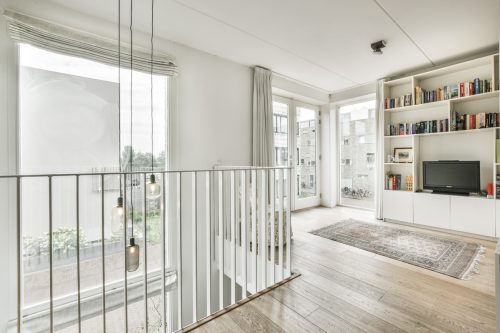
Laminate usually feels more like traditional wood because of its denser core. Some homeowners prefer that solid feel, especially in living rooms or home offices. LVP tends to be softer and a bit quieter, which can be useful in condos where sound transfer matters.
For Miami high-rises and attached properties, underlayment and installation method can be just as important as the flooring itself. Building rules may affect what products are allowed, and some associations require sound-control systems. That is one reason experienced installers matter as much as the material brand.
Maintenance and cleanup
For busy households, LVP is usually easier to live with. Sweeping, vacuuming, and damp mopping are typically enough. Laminate also cleans up well, but too much water during mopping can create problems over time. That makes laminate flooring vs vinyl a practical decision for families who want low-maintenance surfaces.
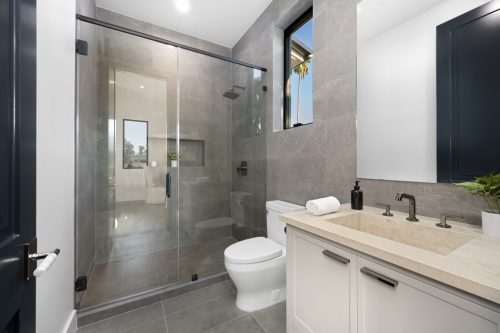
LVP is also a common choice in bathrooms, especially in remodels that aim for a warm wood look without the risk of wood damage. If your project includes wet areas, you can learn about bathroom remodeling solutions that coordinate flooring, tile, waterproofing, and ventilation.
Style, Installation, and Remodeling Value
Miami design is varied. One home may lean Mediterranean Revival with warm natural tones, while another follows a cleaner Mid-Century Modern or Art Deco-inspired look. The good news is that both LVP and laminate now come in finishes that work well with South Florida interiors.
Which one looks better?
There is no single winner. High-end LVP has improved dramatically, with realistic grain patterns, matte finishes, and wider plank options that fit modern Miami homes. Laminate also offers sharp visuals and often impressive embossed textures. If you are comparing lvp vs laminate based on design alone, samples in your actual lighting are essential.
Floor color should also work with wall paint, cabinetry, and natural light. Pale oak tones can brighten smaller condos in Brickell, while richer walnut looks may suit larger homes in Coral Gables or Pinecrest.
Installation realities in Florida homes
Before any product goes down, the subfloor must be checked carefully. Moisture testing, leveling, and transition planning are critical. In Florida, especially on slab foundations, moisture coming through concrete can affect long-term performance. A licensed renovation team should also look at nearby plumbing fixtures, exterior door thresholds, and room-to-room height changes.
During planning, keep these priorities in mind:
- Choose waterproof or highly water-resistant flooring for kitchens, baths, and entry areas.
- Ask about subfloor moisture testing before installation begins.
- Confirm condo or HOA sound-control requirements if you live in a tower or attached property.
- Match plank thickness and wear layer to your traffic level, pets, and rental use.
For homeowners comparing options during a larger remodel, it also helps to review completed spaces for inspiration. You can view completed projects to see how flooring choices support different layouts, finishes, and architectural styles across Miami-area homes.
The best flooring decision is usually the one that fits your room conditions, not just your favorite sample. In many South Florida homes, vinyl vs laminate flooring comes down to moisture tolerance first, then style, sound, and budget. If you want expert guidance for your home, condo, or investment property, you can request a free consultation with Newrome and get recommendations based on your space, goals, and renovation scope.
Cost, Lifespan, and Resale: Laminate Flooring vs Vinyl in Real Florida Homes
Price matters, but it should be looked at with long-term performance in mind. In many Miami and Miami-Dade homes, the better value is not always the cheapest product on day one. The laminate vs vinyl flooring decision often comes down to how long the floor will last in your specific rooms and how much maintenance you are willing to take on.
Upfront cost versus long-term value
Laminate can sometimes offer a lower initial material cost, especially in standard-grade products. That can make it attractive for guest rooms, home offices, or low-moisture areas in a rental property. But if moisture damage leads to swollen edges or replacement boards, those early savings can disappear.
LVP often costs more depending on thickness, wear layer, and brand, yet it usually delivers better value in active Florida households. In homes with kids, pets, pool access, or frequent entertaining, vinyl flooring vs laminate often favors LVP simply because it is more forgiving. For homeowners planning a broader update, it makes sense to coordinate floor selection with a professional Miami home renovation team that understands local climate demands.
Expected lifespan in South Florida conditions
Both materials can last for years if they are installed correctly and used in the right setting. The key is matching the product to the room. In dry, climate-controlled spaces, laminate may hold up well. In kitchens, bathrooms, laundry areas, and first-floor living spaces, LVP usually has the advantage.
For Florida homes, lifespan is affected by:
- Indoor humidity swings and slab moisture
- Water exposure from spills, leaks, or wet footwear
- Sunlight near large windows and sliding glass doors
- Traffic from pets, guests, and everyday family use
If your project includes replacing old finishes throughout the house, combining flooring work with doors and windows upgrades can also improve comfort and help protect interior materials from excess heat and moisture.
Which flooring helps resale?
Buyers in Coral Gables, Brickell, Coconut Grove, and Pinecrest often care more about condition and practicality than the exact product category. A clean, modern, waterproof-looking floor in a cohesive color usually makes a stronger impression than a lower-cost floor showing wear. In that sense, laminate flooring vs vinyl is also a resale question. LVP often appeals to buyers because it supports the indoor-outdoor South Florida lifestyle and feels easier to maintain.
That said, well-chosen laminate can still look attractive in the right rooms. If the home is staged well and the flooring is installed with proper transitions and trim, either option can support resale. The wrong choice is usually using moisture-sensitive flooring where daily life is likely to challenge it.
Best Rooms for LVP vs Laminate
One of the easiest ways to decide between laminate flooring vs vinyl is to break the home down by room. Not every area needs the same level of water resistance, sound control, or durability.
Where LVP is usually the better fit
LVP is often the best choice for rooms where moisture or mess is part of normal life. That includes open-concept kitchens, family rooms, entryways, poolside access points, and many condo living spaces. In South Florida, these are the zones where tracked-in rain, sand, and humidity hit hardest.
LVP is commonly recommended for:
- Kitchens with frequent cooking and cleanup
- Bathrooms and powder rooms
- Ground-floor living areas on slab foundations
- Rental properties and vacation homes with higher turnover
If you are planning a whole-house finish update, a dedicated flooring installation service can help you choose the right wear layer, plank width, and underlayment for each space.
Where laminate still makes sense
Laminate can work well in bedrooms, formal sitting rooms, home offices, and other lower-moisture spaces. Some homeowners also like laminate in second-floor areas where they want a firmer feel underfoot. In design-focused homes with Mid-Century Modern or transitional interiors, laminate can provide a crisp wood look at a practical price point.
The main rule is simple: keep laminate out of rooms where standing water, wet mopping, or repeated moisture exposure are likely. If you want one flooring type throughout the home for visual continuity, LVP often makes that easier.
A quick room-by-room comparison
This side-by-side guide can help narrow the choice:
| Room | Best Choice | Why |
|---|---|---|
| Kitchen | LVP | Handles spills, appliance zones, and heavy traffic better |
| Bathroom | LVP | Better moisture protection around sinks and tubs |
| Bedroom | Laminate or LVP | Both can work if the room stays dry |
| Living room | LVP or Laminate | Depends on traffic, pets, and proximity to exterior doors |
| Rental or condo unit | LVP | Lower maintenance and better moisture tolerance |
How to Choose Between Vinyl vs Laminate Flooring for Your Renovation
If you are still deciding on lvp vs laminate, the best approach is to evaluate your home the way a contractor would. Material samples are helpful, but they are only one piece of the puzzle. Subfloor condition, room use, building rules, and installation quality all affect the final result.
Questions to ask before you choose
Before making a final selection, think through these practical issues:
- Does this room get wet shoes, pet bowls, or frequent spills?
- Is the home on a concrete slab that may need moisture testing?
- Do you want one material throughout the house for a cleaner visual flow?
- Are you renovating a condo with HOA sound-control requirements?
- Will the floor need to stand up to renters, kids, or large dogs?
These questions often reveal the real answer faster than browsing color samples. The difference between vinyl and laminate flooring is not just about appearance. It is about how the floor performs after months of real use in a Florida home.
Why installation quality matters as much as the material
Even the best product can fail if the installation is rushed. Uneven subfloors, poor expansion spacing, weak transitions, or skipped moisture checks can create problems later. In Miami-area homes, this is especially important because concrete slabs, humidity, and open floor plans place more demands on the installation system.
For larger remodels, flooring should also be coordinated with paint, trim, cabinetry, and room transitions. Homeowners often pair new floors with interior painting updates to create a cleaner, more finished result without mismatched tones or outdated trim details.
The bottom line for Florida homeowners
For most South Florida homes, LVP is the safer all-around choice. It handles moisture better, works in more rooms, and fits the way many Miami households actually live. Laminate still has value, especially in dry rooms where you want a firm feel and a wood-inspired look at a lower upfront cost.
If you are comparing laminate vs vinyl flooring for a condo, investment property, or primary residence, the smartest move is to look at room conditions first, then design, then budget. That order usually leads to fewer problems and better long-term satisfaction.
Newrome helps homeowners across Miami, Miami Beach, Brickell, and Coral Gables choose materials that make sense for both style and performance. If you are planning a remodel and want expert guidance on flooring, layout, and finish coordination, you can request a free consultation with Newrome. Licensed, insured, and experienced craftsmanship makes a real difference when your goal is a home that looks beautiful and holds up to Florida living.