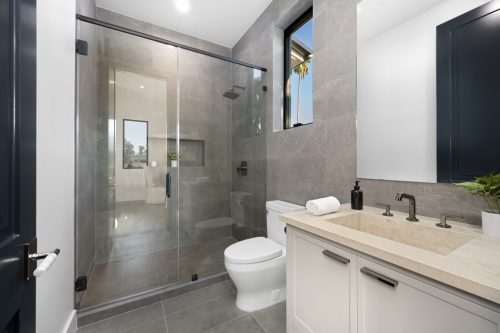
A walk-in shower can make a Miami bathroom feel larger, safer, and more modern, but pricing varies fast based on size, tile, plumbing, waterproofing, and labor. This guide explains how much does a walk in shower cost in 2026, what drives the budget, and which upgrades are worth it in South Florida homes.
If you’re asking how much does a walk in shower cost, the short answer is: it depends on the shower size, materials, drain layout, waterproofing system, and the amount of plumbing or structural work involved. In Miami and across South Florida, labor rates, permit requirements, and moisture-resistant construction methods also affect the final number. A simple prefabricated shower costs far less than a fully tiled, curbless design with custom glass and built-in niches.
For homeowners planning a bathroom update, walk-in showers are one of the most practical upgrades. They fit contemporary tropical interiors, work well in smaller condos in Brickell, and can add comfort and resale appeal in larger homes in Coral Gables, Pinecrest, and Coconut Grove. If you are comparing options, you can learn about bathroom remodeling and see how shower design fits into a larger renovation plan.
How Much Does a Walk In Shower Cost in 2026?
Most walk-in shower projects fall into three broad price levels. The lower end usually covers a standard-size replacement using a prefab base, basic wall panels or simple tile, and limited plumbing changes. Mid-range projects often include tiled walls, better fixtures, a frameless glass panel, and upgraded waterproofing. High-end builds typically involve a custom shower pan, large-format porcelain tile, recessed niches, bench seating, premium hardware, and layout changes.
| Walk-In Shower Type | Typical Scope | Relative Cost |
|---|---|---|
| Basic replacement | Prefab base, standard fixtures, minimal plumbing changes | Lower |
| Mid-range custom | Tiled walls, glass enclosure, upgraded drain and fixtures | Moderate |
| Luxury walk-in shower | Curbless entry, custom tile work, bench, niche, premium glass | Higher |
In South Florida, material selection matters as much as labor. Porcelain tile is popular because it handles humidity better than many porous materials and offers strong slip-resistant options for shower floors. Natural stone can look beautiful in Mediterranean Revival or spa-style bathrooms, but it usually requires more sealing and maintenance. That upkeep becomes a bigger issue in homes exposed to salt air near Miami Beach.
Main Cost Factors Behind Shower Pricing
The answer to how much does a walk in shower cost becomes clearer once you break down the project scope. A contractor will usually price the job based on demolition, substrate repairs, waterproofing, plumbing, tile installation, glass, and finish hardware.
Here are the biggest factors that change the budget:
- Shower size and layout, especially if walls or plumbing need to move
- Type of shower base: prefab pan, mortar bed, or fully custom curbless system
- Tile selection, including mosaic floor tile versus large-format wall tile
- Waterproofing method and whether old water damage must be repaired
- Glass enclosure style, from a simple fixed panel to frameless custom glass
- Fixture quality, such as rain heads, handhelds, body sprays, and thermostatic valves
Good waterproofing is not the place to cut corners. In Miami-Dade homes, bathrooms deal with year-round humidity, and any weakness behind the tile can lead to mold, soft drywall, and framing damage. That is why experienced contractors often coordinate tile work with proper backing boards, membranes, and adjacent wall repairs. If your project includes hidden moisture damage, it may also involve drywall repair and replacement before the shower is rebuilt.
Materials and Labor Pricing for Miami Homeowners
Materials and labor often split the budget differently depending on the shower style. A simple insert is more product-driven, while a custom tiled shower is labor-heavy because surface prep, slope, tile cuts, grout lines, and waterproof detailing all take time. In South Florida, skilled tile setters and licensed plumbers are especially important because poor installation can fail fast in a wet environment.
Material Choices That Affect Cost
Porcelain remains one of the best values for walk-in showers. It is durable, widely available, and works with many Miami design styles, from clean contemporary to warm coastal. Ceramic can cost less, but not all ceramic products are ideal for heavy-use shower floors. Solid-surface panels reduce grout lines and can make cleaning easier, while natural stone creates a luxury look but adds maintenance.
If you are also updating nearby finishes, shower pricing can connect to broader bathroom decisions like flooring transitions, vanity placement, and paint quality. Homeowners planning a more complete house upgrade can discover full home renovation options if the bathroom is part of a larger remodel.
Labor Costs and Trade Coordination
Labor rises when the project needs multiple trades. A walk-in shower may require demolition, plumbing relocation, electrical updates for lighting or ventilation, tile setting, glass installation, and final painting. If the existing drain is in the wrong place for a linear drain or curbless entry, plumbing work becomes more involved. For that reason, it helps to review the condition of supply lines, drain lines, and shutoff access early in the process. You can also explore plumbing services if your bathroom remodel includes drain relocation or fixture upgrades.
For condos in Brickell or Miami Beach, labor planning may be affected by building rules, elevator access, work-hour limits, and insurance requirements. Single-family homes in Coral Gables or Pinecrest may face different issues, such as older cast iron drains, slab conditions, or permit review times. Local experience matters because Florida Building Code requirements, waterproofing details, and inspection steps are not always the same as in other states.
Custom Build vs. Conversion: Which Costs More?
A brand-new custom shower usually costs more than a straightforward replacement, but not every conversion is cheap. Many homeowners ask how much does a tub to shower conversion cost because removing an old tub seems simple. In reality, the price depends on whether the drain location changes, whether the wall framing needs repair, and whether the new shower requires custom glass or tile work.
How Much Does a Tub to Shower Conversion Cost?
A tub-to-shower conversion can be cost-effective if the existing footprint works well and plumbing changes stay limited. Costs increase if the old tub area has hidden moisture damage, if the new shower needs a low-threshold entry, or if you want a fully tiled surround instead of a basic insert. Homeowners focused on aging in place often choose grab bars, built-in seating, handheld shower heads, and slip-resistant flooring. Those upgrades add value, but they also add labor and product costs.
Some owners also ask, will Medicare pay for a walk in shower? In most standard situations, Medicare does not pay for bathroom remodeling or shower replacements simply for comfort or resale value. Coverage questions depend on medical necessity, plan details, and whether another assistance program applies. It is smart to verify benefits directly before assuming any reimbursement.
How to Build a Walk In Shower the Right Way
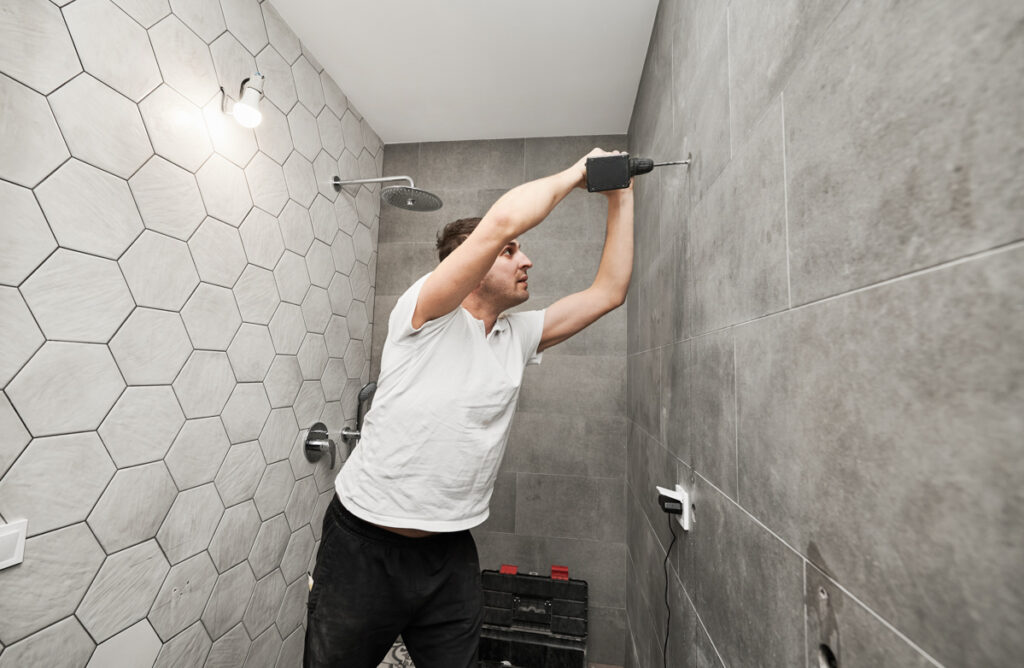
People searching how to build a walk in shower or how to install a walk in shower often underestimate the technical steps. A proper build is not just tile over cement board. It requires the right slope to drain, continuous waterproofing, accurate valve placement, and careful transitions where the shower meets the rest of the bathroom floor.
Before construction starts, a professional team will usually follow a sequence like this:
- Inspect the existing bathroom for leaks, framing damage, and drain location
- Finalize the shower size, entry style, tile layout, and fixture selections
- Complete demolition and prepare the substrate
- Install plumbing updates, waterproofing, shower pan system, and tile
- Finish with glass, trim, sealants, and final punch-list details
This is one reason many Miami homeowners prefer working with a licensed, insured remodeling company instead of piecing together separate trades. Coordinated work helps avoid delays, failed inspections, and mismatched finishes. If you want local guidance, you can see renovation services in Miami or request a free consultation to review your bathroom layout, design goals, and construction priorities.
Maintenance, Cleaning, and Long-Term Value
Cost should always be weighed against maintenance. Homeowners often search how to clean a walk-in tiled shower because grout lines, hard water spots, and soap buildup can turn a beautiful shower into a high-maintenance one. Large-format porcelain tile, quality grout, proper ventilation, and minimal metal framing can all make routine cleaning easier.
A well-built walk-in shower also supports long-term property value. In Miami’s competitive housing market, buyers often notice modern bathrooms immediately. Clean lines, frameless glass, niche storage, and durable finishes fit many local styles, including Art Deco-inspired condos, mid-century homes, and contemporary tropical renovations. Quality craftsmanship matters more than chasing trends, especially in wet areas where durability is tested every day.
What Adds the Most to Walk-In Shower Cost?
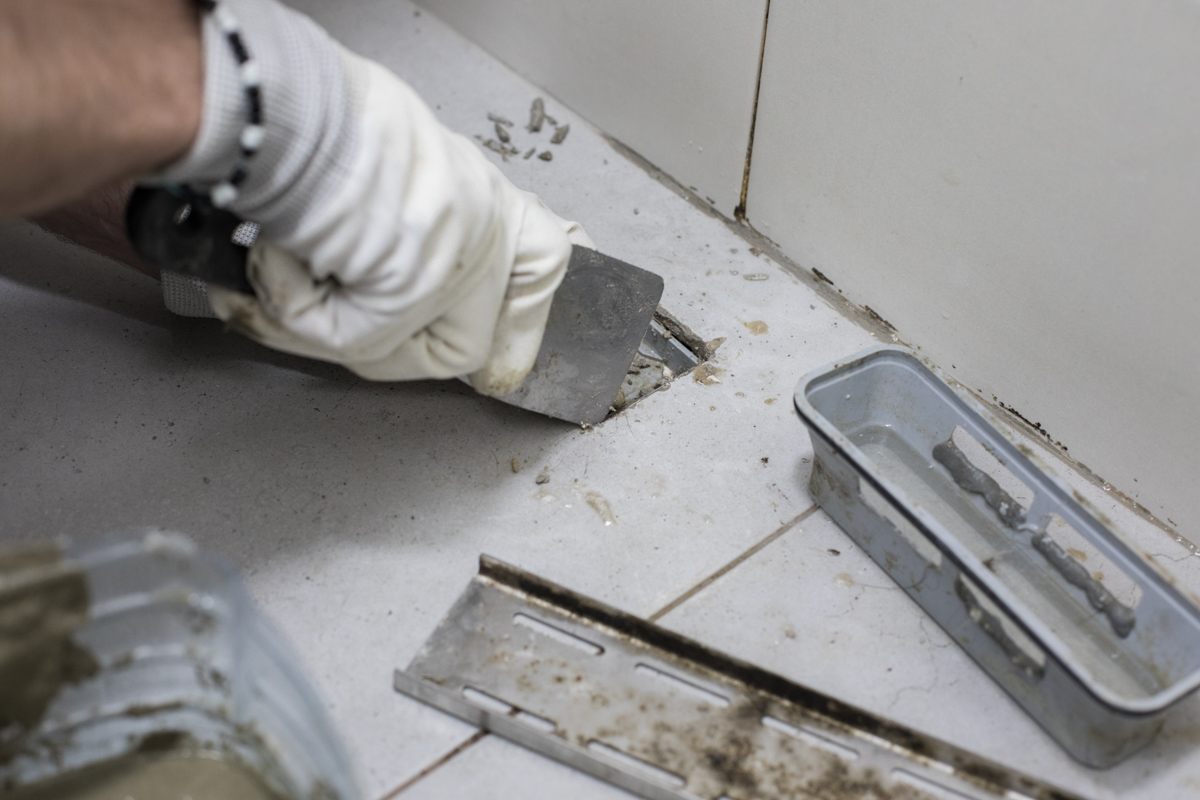
If you are still wondering how much does a walk in shower cost for your specific home, the biggest price swings usually come from what is hidden behind the finished surfaces. A shower that looks simple on paper can become more complex once demolition starts and the contractor finds old leaks, weak backing, rusted drain parts, or out-of-level framing. In Miami-Dade homes, especially older properties in Coral Gables, Coconut Grove, and Miami Beach, those conditions are common and should be part of the planning process.
Waterproofing, drainage, and substrate work
The most valuable part of the project is often the least visible. A walk-in shower needs a reliable waterproofing system, the correct floor slope, and a stable substrate that can support tile and daily moisture exposure. If you are comparing estimates, ask whether the scope includes demolition down to sound backing, a full waterproof membrane, proper drain integration, and moisture-resistant wall materials. These details affect durability far more than decorative trim.
Curbless showers often cost more because the floor has to be recessed or carefully built up to maintain drainage without sending water into the rest of the bathroom. In condos and slab homes, that can require extra planning. If the shower redesign also changes floor height or transitions, it helps to review nearby flooring options so the entire bathroom feels cohesive and safe.
Glass, fixtures, and finish selections
After waterproofing and tile, glass is often one of the most noticeable cost items. A fixed panel is usually simpler than a full frameless enclosure with custom cuts, heavy hardware, and special sizing. Premium fixtures also move the budget quickly, especially if you choose thermostatic controls, rain heads, handheld sprayers, body sprays, or designer finishes that need matching trim kits.
These upgrades can be worth it if they improve daily use. For example, a handheld shower head makes cleaning easier, and a thermostatic valve helps maintain steady water temperature. In high-use family bathrooms or luxury primary suites, those features often make more sense than spending extra on delicate materials that need constant maintenance.
How to Build a Walk In Shower That Lasts in South Florida
Many homeowners search how to build a walk in shower or how to install a walk in shower because online tutorials make the process look easy. In reality, a lasting shower depends on correct sequencing, code-compliant plumbing, and careful moisture control. In South Florida, humidity, salt air, and constant bathroom use make installation quality even more important.
Key steps in a professional installation
A proper walk-in shower build usually follows a clear sequence. Each stage matters because mistakes made early are expensive to fix after tile and glass are installed.
- Remove old finishes and inspect framing, drain lines, and surrounding walls
- Repair any moisture damage and prepare walls and floor for a stable assembly
- Update plumbing valves, drain placement, and supply lines if needed
- Install the shower pan or sloped mortar system with full waterproofing
- Set tile, grout, fixtures, glass, and final sealants
That is why homeowners planning a shower replacement often pair it with broader bathroom remodeling work instead of treating it as a stand-alone cosmetic change. Once walls are open, it may be the right time to improve lighting, ventilation, storage, and finishes around the shower too.
Permits, inspections, and Miami realities
Not every shower update requires the same level of permitting, but projects involving plumbing relocation, electrical changes, or structural modifications often do. Miami-Dade and local municipalities may also have condo rules, inspection steps, and product requirements that affect scheduling. Homes in Brickell towers, older Miami Beach buildings, and historic neighborhoods can all come with different constraints.
If your shower remodel includes new lighting, exhaust upgrades, or relocated switches, it is smart to coordinate with licensed electrical services early in the design phase. Good trade coordination helps avoid delays and reduces the chance of rework after inspections.
Cleaning, Maintenance, and Long-Term Value
Homeowners also want to know how to clean a walk-in tiled shower without turning maintenance into a weekly project. The answer starts with smart material choices. Large-format porcelain tile has fewer grout joints than small tile, which means fewer places for soap residue and mildew to collect. Epoxy or high-performance grout can also reduce staining, though installation quality still matters.
How to clean a walk-in tiled shower more easily
If easy maintenance is a priority, choose finishes that support quick cleaning and resist water spots. That matters even more in Miami, where hard water, humidity, and daily use can show up fast on glass and tile.
Features that usually make maintenance easier include:
- Porcelain wall tile instead of porous natural stone
- Larger tile sizes with fewer grout lines
- Frameless or minimal-frame glass with fewer metal edges
- Built-in niches that reduce the need for hanging storage racks
- Good ventilation to help the shower dry faster after use
Natural stone can still be a beautiful option, especially in Mediterranean Revival or spa-inspired bathrooms, but it usually needs more sealing and more careful cleaners. For investment properties or busy family homes, durable low-maintenance surfaces often provide better long-term value.
Will Medicare pay for a walk in shower?
Some homeowners planning accessibility upgrades ask, will Medicare pay for a walk in shower? In most cases, original Medicare does not cover a standard bathroom remodel or shower replacement simply because it improves comfort, style, or resale value. There may be exceptions through certain plans, medical equipment programs, or other assistance resources, but coverage rules vary. The safest approach is to confirm directly with the insurance provider before making decisions based on expected reimbursement.
Accessibility-focused showers can still be a smart investment even without coverage. A low-threshold or curbless entry, slip-resistant tile, grab bars, and bench seating can improve safety and help a homeowner stay in place longer. In many Miami homes, these features also appeal to future buyers looking for comfort, convenience, and modern design.
Choosing the Right Shower for Your Home and Budget
The best answer to how much does a walk in shower cost depends on your layout, finish level, and how much hidden repair work is needed. A straightforward replacement may be enough for a guest bath or rental unit, while a custom tiled shower with frameless glass may be the better fit for a primary suite in Pinecrest, Coconut Grove, or Coral Gables. If you are also comparing resale value, it helps to look at the bathroom as part of the home’s overall condition and design consistency.
| Shower Option | Best For | Main Cost Driver |
|---|---|---|
| Prefab replacement | Fast updates, rentals, basic remodels | Product quality and limited labor |
| Tub-to-shower conversion | Better access and modern resale appeal | Drain layout and wall repair |
| Custom tiled walk-in shower | Primary baths and design-focused homes | Labor, waterproofing, tile, and glass |
For homeowners asking how much does a tub to shower conversion cost, the same rule applies: the footprint may stay similar, but the final price depends on plumbing changes, waterproofing, tile scope, and glass selection. A well-designed conversion can improve function, safety, and visual space, especially in smaller bathrooms.
If you want to compare layouts, finishes, and workmanship before starting, you can view completed projects and see how Newrome approaches custom renovation work in South Florida homes. Whether you are updating a condo in Brickell, a waterfront property in Miami Beach, or a family home in Coral Gables, the right shower should balance comfort, durability, and clean design.
A walk-in shower is one of the most practical bathroom upgrades you can make, but it performs best when it is built with careful waterproofing, quality materials, and experienced installation. If you are ready to plan your remodel, request a free consultation with Newrome to review your bathroom, budget, and design goals with a licensed, insured Miami renovation team.