A sagging door can scrape the floor, stick in the frame, or refuse to latch, but the fix is often simpler than homeowners expect. This guide explains how to fix a sagging door with proven methods that work in real Miami homes, from quick hinge adjustments to more durable repairs that hold up against humidity, daily wear, and shifting frames.
How to Fix a Sagging Door Without Guesswork
If you are searching for how to fix a sagging door, start by finding out where the door is out of alignment. A door usually sags because the hinges loosen, the screws lose grip, the frame shifts slightly, or the slab warps from moisture and age. In South Florida, humidity, salt air, and heavy HVAC use can all affect wood movement and hardware over time.
The good news is that many cases of sagging door repair do not require replacing the entire unit. A careful inspection can tell you whether the problem is in the hinge, the jamb, or the door itself. If the issue turns out to be more than a simple adjustment, Newrome’s doors and windows services can help homeowners in Miami, Coral Gables, Brickell, and nearby areas correct the problem with a cleaner, longer-lasting finish.
Why does my door sag?
If you have asked, “why does my door sag,” the answer is usually one of a few common issues. Most sagging doors drop on the latch side, creating an uneven gap at the top and causing rubbing at the strike jamb or floor. Interior doors may also drift out of square when lightweight hinges loosen or when the jamb was not anchored well in the first place.
Watch for these signs before you start repairs:
- The top gap is tighter on the latch side than on the hinge side
- The door rubs the jamb, threshold, or finished flooring
- The latch no longer lines up with the strike plate
- One or more hinges squeak, shift, or pull away from the frame
These clues help you decide how to fix a door that won’t close without wasting time on the wrong repair. In older Miami homes, especially Mediterranean Revival or Mid-Century properties, settling and repeated repainting can also hide the real alignment issue until the door starts sticking every day.
Method 1: Tighten the Hinge Screws First
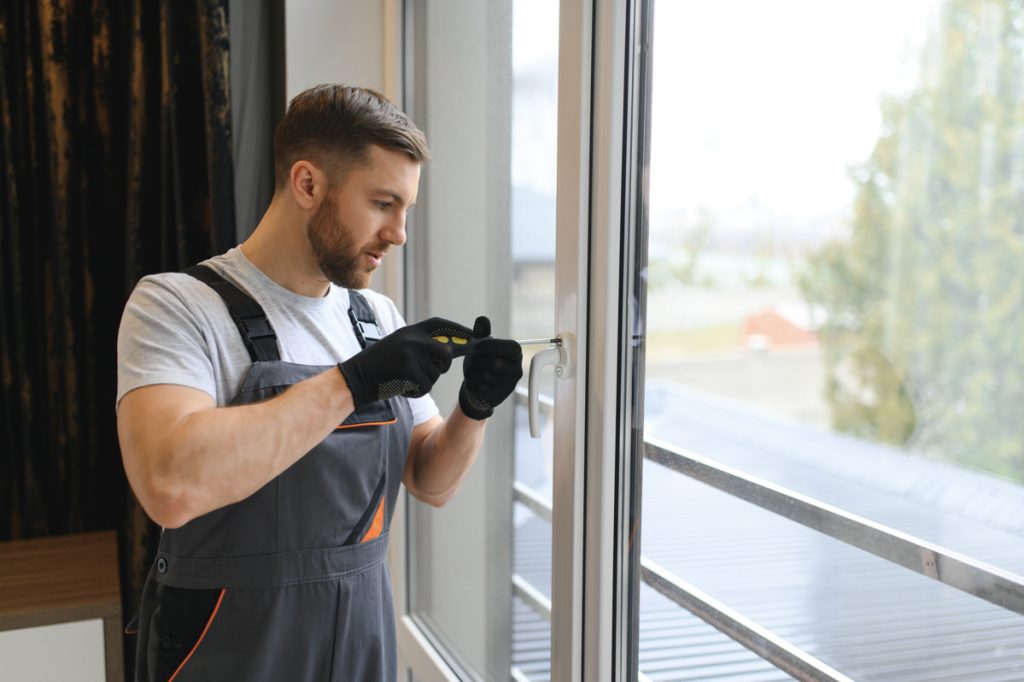
The fastest fix for a sagging door hinge is tightening every screw on the top, middle, and bottom hinges. Start with the top hinge, because that is usually where the door’s weight pulls hardest. Open the door slightly, support it if needed, and test each screw with a screwdriver rather than a drill. Hand-tightening gives you better control and helps you feel whether the screw is actually biting into solid wood.
Why this works
When hinge screws back out even a little, the door slab shifts downward on the latch side. That small movement is enough to create scraping, sticking, or latch misalignment. Tightening the screws pulls the hinge leaf back snug against the jamb and can restore the original position right away.
What to check while tightening
Look closely at the hinge leaves. If there is a visible gap between the hinge and the jamb, the screw may be stripped or the mortise may be packed with old paint. If the hinge is bent, tightening alone will not solve the problem for long. This is common in high-traffic homes, rental properties, and busy family spaces where doors are used dozens of times a day.
If the surrounding trim, wall, or jamb also shows wear, it may be worth pairing the repair with related finish work such as custom carpentry services or professional painting services so the corrected door looks as good as it functions.
Method 2: Replace Short Screws With Long Structural Screws
If tightening does not hold, the next pro move is to replace one or two screws in the top hinge with longer screws that reach the framing behind the jamb. This is one of the most reliable answers to how to fix a sagging interior door because it improves the structure, not just the surface grip.
How the repair works
Many doors are installed with short factory screws that only anchor into the jamb. Over time, the weight of the door can pull those screws loose. A longer screw, properly sized, passes through the hinge, through the jamb, and into the wall framing. That lets you pull the top corner of the door back into position.
Use this process:
- Remove one screw from the top hinge leaf on the jamb side.
- Install a longer screw in the same hole and tighten slowly.
- Watch the reveal around the door as the screw draws the jamb inward.
- Test the swing and latch before replacing additional screws.
This method is especially useful in Miami-Dade homes where seasonal humidity can make a minor alignment issue feel worse. It is also a smart first step before sanding, trimming, or replacing the slab, because many sticking doors are actually framing problems.
When longer screws are not enough
If the screw spins without grabbing, the wood inside the jamb may be damaged. In that case, you may need a wood filler repair, a dowel-and-glue repair, or partial jamb replacement. For larger alignment issues tied to wall movement or moisture damage, homeowners often discover related needs during broader full home renovation services, especially in older South Florida properties.
Method 3: Shim or Adjust the Hinge for Better Alignment
Another proven way to handle sagging door repair is to adjust the hinge position with a shim. This works well when the door is close to square but still rubs at one corner or misses the strike plate slightly. A thin shim behind one hinge leaf changes the angle of the door just enough to correct the swing.
Where to place the shim
The shim location depends on the problem. If the door rubs at the top latch-side corner, adding a thin shim behind the bottom hinge can help. If the latch side has dropped and the top reveal is uneven, adjusting the top hinge is often the better move. Even a very thin cardboard or composite shim can make a noticeable difference.
Here is a quick comparison of common door issues and likely fixes:
| Door Symptom | Likely Cause | Best First Fix |
|---|---|---|
| Door rubs at top latch corner | Latch side dropped | Tighten top hinge or use long screw |
| Door hits strike plate low | Hinge sag or frame shift | Long screw at top hinge |
| Door binds along jamb | Hinge alignment issue | Shim one hinge leaf |
| Door scrapes finished floor | Overall drop or slab swelling | Check hinges before trimming door |
Why Miami homeowners should be careful
In coastal areas like Miami Beach and Coconut Grove, moisture can swell wood doors and painted jambs. That can look like hinge sag when the slab is actually expanding. Before adding shims, check for paint buildup, soft wood, and signs of water intrusion near exterior openings. If the door is part of a larger entry upgrade, Newrome also handles exterior renovation services and can advise on weather-resistant materials that perform better in tropical conditions.
For homeowners planning multiple repairs at once, it also helps to request a free consultation and have a licensed, insured team look at the door, frame, and surrounding finishes together. That approach often prevents repeat repairs and protects the look of the home.

Method 4: Repair Stripped Screw Holes and Damaged Wood
If the screws keep turning without tightening, the real problem is often hidden inside the jamb. This is a common issue in sagging door repair, especially in older Miami homes where doors have been adjusted many times over the years. Once the wood fibers inside the screw hole break down, the hinge can no longer hold the door in the right position.
How to fix a sagging interior door with stripped holes
A reliable repair is to remove the loose screw, fill the hole with a wood dowel or wood slivers and construction adhesive, let it cure, and then reinstall the screw. This gives the fastener fresh material to grip. For a cleaner result, remove one screw at a time so the hinge stays aligned while you work.
This method works best when:
- The hinge leaf is still in good condition
- The jamb wood is solid and not soft from moisture
- The door only needs a small alignment correction
If the wood around the hinge is cracked, soft, or split, a filler-only repair usually will not last. In that case, the better fix may be cutting out the damaged section and rebuilding the area with help from finish carpentry services. That is especially true for entry doors exposed to rain, salt air, or years of repainting.
Signs the jamb needs more than a small patch
If you are still asking why does my door sag after replacing screws, inspect the jamb closely. Look for compressed wood behind the hinge, layers of old paint pushing the hinge out of plane, or signs of moisture damage near the threshold. In South Florida, even a small leak or repeated humidity exposure can weaken door framing over time.
For homes with visible wall cracks, shifting trim, or multiple sticking doors, the misalignment may be part of a larger issue. In those cases, it helps to review the surrounding wall, trim, and opening as part of broader home renovation services rather than treating the door as a stand-alone problem.
Method 5: Plane, Sand, or Rehang the Door Slab
If the hinges are secure and the frame is sound, but the door still rubs or will not close, the slab itself may need adjustment. This is often the final answer for homeowners searching how to fix a door that won’t close after trying hinge repairs first. Wood doors can swell, twist slightly, or pick up extra paint thickness over time.
When trimming the door makes sense
Planing or sanding should only happen after confirming that the sagging door hinge is not the main cause. If you trim too early, you may remove material from a door that was simply hanging wrong. Once the slab is cut, that material cannot be put back.
Light sanding may be enough if the problem is minor paint buildup or seasonal swelling. A planer is better for repeated rubbing along one edge. After trimming, the exposed edge should be sealed and painted so moisture does not re-enter the wood. That detail matters in Miami-Dade, where humidity can quickly undo an unfinished repair.
Rehanging the door for a better long-term fit
Sometimes the best fix is to remove the slab, reset the hinges, and rehang the door with corrected reveals. This is more precise than simply forcing the latch to catch. It is also the safer option when the door is solid wood, oversized, or part of a design-focused interior where the gaps need to look clean and even.
Here is a quick guide to choosing the right repair approach:
| Condition | Recommended Fix | Why It Works |
|---|---|---|
| Loose hinge screws | Tighten or replace with long screws | Pulls the door back into alignment |
| Stripped screw holes | Repair holes with dowels or wood filler | Restores holding strength in the jamb |
| Minor rubbing from swelling | Sand or plane the edge | Creates clearance without replacing the door |
| Warped slab or poor original install | Rehang or replace the door | Corrects the geometry of the full opening |
If the rubbing has already damaged nearby finishes, such as scuffed baseboards or chipped trim, it may also be worth pairing the work with interior painting services so the repaired opening blends in with the rest of the room.
How to Prevent a Sagging Door From Coming Back
Once you learn how to fix a sagging door, the next step is keeping it aligned. Prevention matters because repeated dragging can damage flooring, trim, and hardware. In design-conscious South Florida homes, even a small door problem can stand out against clean lines, modern finishes, and carefully detailed interiors.
Simple maintenance that helps
A few habits can extend the life of your repair:
- Check hinge screws once or twice a year
- Lubricate hinges if they squeak or bind
- Keep painted edges sealed against humidity
- Address leaks or condensation near exterior doors quickly
- Avoid slamming doors, especially solid-core units
These small steps are especially useful in neighborhoods like Coral Gables, Brickell, Coconut Grove, and Pinecrest, where a mix of older homes and newer custom builds can react differently to moisture, AC use, and shifting materials.
Don’t ignore the floor and frame
Homeowners often focus only on the hinge side, but flooring changes can also affect door clearance. A new tile floor, thicker underlayment, or uneven transition strip can make a door seem sagged when the slab simply no longer has enough space to swing. If the problem started after new floors were installed, checking the finished height is just as important as checking the hinges. Newrome’s flooring installation services can help if the issue is tied to floor buildup or threshold transitions.
For exterior openings, prevention also means choosing materials that handle South Florida weather well. Fiberglass, impact-rated assemblies, and moisture-resistant trim often perform better than low-grade wood products in coastal conditions. If the door is part of a larger upgrade, Newrome’s door replacement and window services can help homeowners choose options that fit both the architecture and the climate.
When to Call a Pro for Sagging Door Repair
Some door issues are quick DIY fixes, but others point to deeper movement in the frame, wall, or structure. If you have tried tightening screws, using long fasteners, and adjusting the hinges but the door still drags or will not latch, professional help can save time and prevent cosmetic damage.
You should consider expert help if:
- The jamb is cracked, soft, or pulling away from the wall
- The door slab is warped or too heavy for the existing hinges
- Multiple doors in the home are sticking at the same time
- The repair affects an exterior or impact-rated opening
That is especially relevant in Miami homes where tropical moisture, salt exposure, and code-driven exterior assemblies require more careful repair methods. A licensed, insured team can determine whether the right solution is a hardware adjustment, jamb rebuild, or full replacement.
Knowing how to fix a sagging door starts with the simplest causes, but the best result comes from matching the repair to the real problem. Tightening screws, using longer fasteners, shimming hinges, repairing stripped holes, and adjusting the slab are the five pro methods that solve most cases. If your door still sticks, scrapes, or refuses to close properly, request a consultation with Newrome to get a durable repair that fits your home, your finishes, and the demands of Miami living.