Yes, you can remodel a condo in Miami, but the real challenge is not design—it’s getting through HOA approval, permits, building rules, and hidden restrictions before work starts. A smart condo renovation plan protects your budget, timeline, and peace of mind while helping you avoid costly stop-work orders, neighbor complaints, and failed inspections.
Can You Remodel a Condo in Miami?
Yes, can you remodel a condo in Miami? In most cases, yes—but only within the limits of your condo association rules, city permits, and the building’s own construction policies. That means can you renovate a condo is not really a design question first. It is a legal, structural, and logistical question.
Unlike a single-family home, a condo is part of a shared building. You own the interior space, but walls, plumbing lines, electrical systems, windows, balconies, and even flooring choices may be controlled by the association or affected by building rules. In Miami, Brickell, Miami Beach, Coral Gables, and other dense South Florida neighborhoods, those rules can be strict because of life safety codes, noise concerns, flood exposure, and hurricane standards.
If you are planning a kitchen upgrade, bathroom refresh, or a full home renovation, the best first step is to confirm what the association allows before materials are ordered or demolition begins. A licensed contractor who understands Miami-Dade permitting can help you avoid delays and build a realistic scope from day one.
Understanding Condo Remodel Rules Before You Start
Most condo owners are surprised by how many condo remodel rules apply before the first tile is removed. Your association documents usually include bylaws, alteration agreements, and house rules that explain what can and cannot be changed inside the unit.
What you usually can remodel in a condo
So, what can you remodel in a condo? In many Miami condo buildings, owners are generally allowed to update finishes and fixtures inside the unit, as long as the work does not affect shared systems or structural elements.
Common approved improvements often include:
- Cabinet replacement in kitchens and bathrooms
- Countertop upgrades such as quartz or granite
- Interior painting and trim work
- Tile, luxury vinyl, or other approved flooring materials
- Fixture swaps like sinks, faucets, lighting, and toilets
Even these items may require review. For example, many associations in Miami-Dade require soundproof underlayment under hard flooring to reduce noise transfer between units. If you are considering new surfaces, it helps to review options for flooring installation that meet both design goals and condo sound rules.
What condo remodeling restrictions often block
Many condo remodeling restrictions are tied to safety and shared infrastructure. A board may reject or limit work involving:
Moving plumbing stacks, altering electrical panels, removing load-bearing walls, changing exterior windows or doors, relocating kitchen appliances, or modifying HVAC components that connect to the building system. In coastal South Florida, windows and exterior openings often must meet impact requirements and building-specific standards. That is why replacing sliders or exterior glass usually involves both HOA review and code compliance, especially in older waterfront towers.
For owners planning interior wet-area changes, it is smart to discuss the scope with professionals experienced in condo plumbing work and electrical upgrades before submitting plans.
HOA Approval: The Step That Controls Your Timeline
One of the biggest hidden parts of condo renovation rules is timing. HOA approval can take longer than the city permit process, especially in high-rise buildings with property managers, review committees, and required contractor documents.
What associations typically ask for
Before approving a remodel, many condo associations in Miami, Aventura, and Brickell ask for a package that may include contractor license and insurance information, scope of work, drawings, product specs, demolition details, and a proposed schedule. Some buildings also require deposits for elevator protection, common area protection, and debris handling.
A typical approval path looks like this:
- Review the condo documents and alteration agreement.
- Confirm whether your remodel needs architectural drawings or engineering.
- Submit contractor credentials, plans, and material details to management.
- Wait for board or committee review and respond to revision requests.
- Apply for city permits after HOA approval, if required.
This is where experienced planning matters. A beautiful design can still be rejected if the flooring underlayment is wrong, the work hours do not match building policy, or the contractor paperwork is incomplete. If you want to compare design quality and execution standards before starting, you can view our completed projects for renovation ideas that fit South Florida living.
Hidden rules owners often miss
Some of the most frustrating condo renovation rules are not obvious until after purchase or after demolition is scheduled. Buildings may limit work hours, require weekday-only access, ban weekend demolition, restrict where materials can be stored, or require licensed and insured trades for every phase. Some towers also require shutoff coordination for plumbing work and advance notice to neighboring units.
In Miami Beach and older coastal buildings, salt air, concrete conditions, and aging building systems can add another layer of review. A simple bathroom remodel may trigger questions about waterproofing, slab penetrations, and venting. If you are planning to update a wet area, explore bathroom remodeling services that account for condo-specific construction details.
Permits, Building Code, and Miami-Specific Reality
If you are asking can you remodel a condo, permit requirements are a major part of the answer. Many interior cosmetic changes do not need a permit, but once you touch plumbing, electrical, walls, windows, or major mechanical systems, permits are often required by the city or county authority having jurisdiction.
When condo renovations usually need permits
Permit needs vary by scope, but the table below shows how common projects are generally treated in Miami-area condos.
| Renovation Type | Typical Permit Need | Common Condo Concern |
|---|---|---|
| Painting, cabinets, finish updates | Often no city permit | HOA approval may still apply |
| Kitchen or bath plumbing changes | Usually yes | Water shutoffs and stack access |
| Electrical rewiring or panel work | Usually yes | Building power limitations |
| Window or door replacement | Usually yes | Impact rating and exterior uniformity |
Florida Building Code requirements are especially relevant in South Florida. Waterproofing in wet areas, fire-rated assemblies, ventilation, and impact-rated products can all affect your scope. In flood-prone or coastal areas, material selection also matters. Porcelain tile generally performs better than moisture-sensitive materials in humid environments, and quartz counters are often preferred over natural stones that need more maintenance.
Why Miami condo permits are different from house permits
A condo renovation in Miami is rarely just a city issue. You may need approval from the municipality, the condo board, and building management at the same time. That is why can you renovate a condo often depends on coordination more than construction skill alone.
For example, a kitchen remodel in Coconut Grove or Pinecrest might focus on layout and finishes in a house, but in a condo tower in Brickell the same project may be limited by riser locations, elevator reservations, debris routes, and approved work hours. If your project includes layout changes or premium finishes, take a look at kitchen remodeling services designed for practical, code-aware upgrades.
Owners who start with clear plans, realistic expectations, and a contractor familiar with Miami condo processes usually have a smoother experience. If you need help reviewing your building rules, renovation scope, or permit path, you can request a free consultation with a licensed, insured team that understands local condo requirements.
How to Plan a Condo Remodel Without Delays
If you are still asking can you remodel a condo, the short answer stays the same: yes, but only if the planning is as strong as the design. In Miami condos, delays usually happen before construction starts. The most successful projects begin with a clear scope, realistic material choices, and a contractor who understands condo remodel rules, permit coordination, and building logistics.
Build your scope around the building, not just your wishlist
Many owners start with inspiration photos and later discover the layout they want is not allowed. In a condo, the building often controls what can move and what must stay in place. Plumbing lines, vent stacks, electrical capacity, and structural walls can all limit your options.
That does not mean your renovation has to feel limited. It means your design should be shaped by what the unit can support. For example, keeping a kitchen sink near its original location may save time and reduce permit complications. In bathrooms, choosing a curbless shower may require extra review for waterproofing and floor slope, especially in older Miami-Dade buildings.
If your project affects several rooms at once, it helps to review full home renovation options so the scope, sequencing, and approvals are handled as one coordinated plan instead of several disconnected upgrades.
Choose materials that fit condo life in South Florida
Material selection is not only about style. It also affects approval, maintenance, and long-term performance. Miami’s humidity, salt air, and heavy AC use can be hard on some finishes, especially in waterfront towers and older buildings in Miami Beach, Brickell, and Aventura.
A few practical choices often work well in condo remodels:
- Porcelain tile for wet areas because it is dense, durable, and moisture-resistant
- Quartz countertops for easy care and strong stain resistance
- Moisture-resistant paint in kitchens, baths, and laundry spaces
- Approved sound-rated underlayment below hard flooring
- Impact-rated products where windows or doors are part of the approved scope
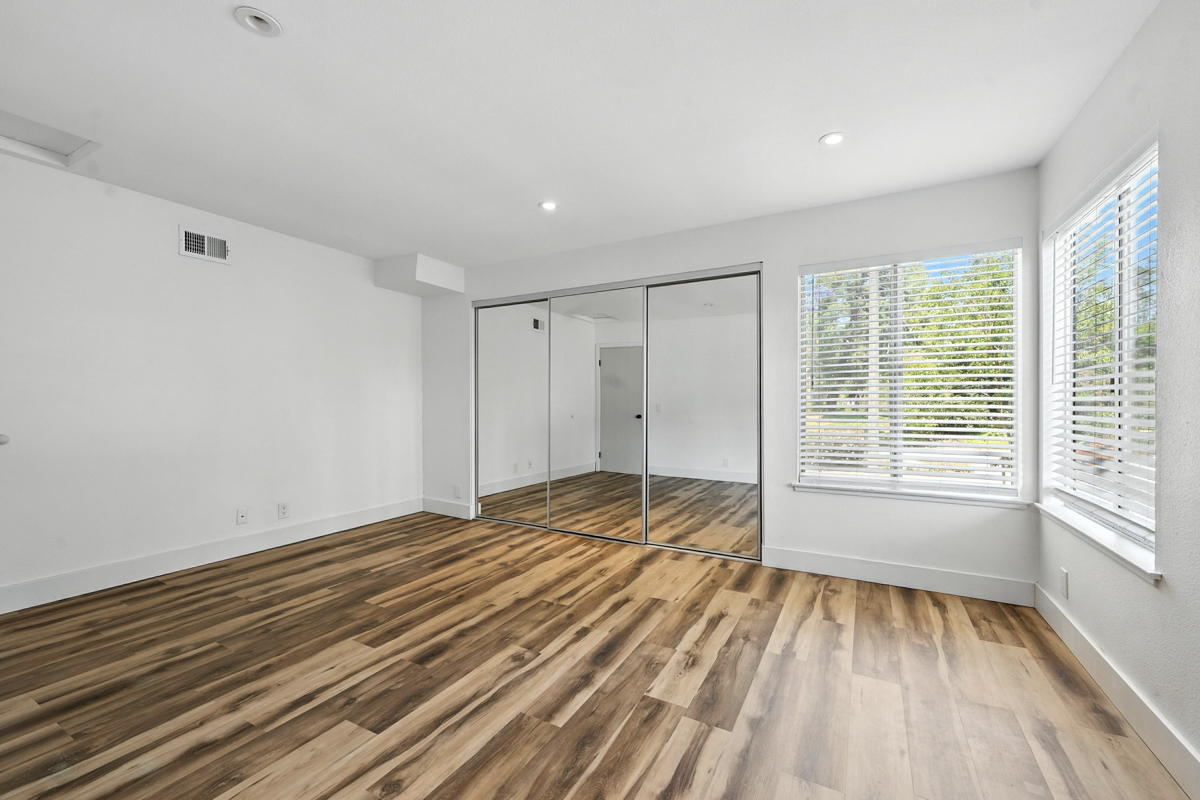
Owners who want a clean, modern finish often combine durable surfaces with simple details that fit South Florida design, such as light oak tones, matte black hardware, soft white walls, and large-format tile. If your project includes finish upgrades, you can explore interior painting services that pair well with condo-friendly remodels.
Common Condo Renovation Rules That Affect Cost and Schedule
Many condo owners focus on demolition and installation, but the hidden rules around access and operations are often what shape the final timeline. That is why understanding condo renovation rules early can protect both your budget and your move-in date.
Work hours, deliveries, and neighbor protection
Most buildings in Miami have strict renovation windows. Work may be allowed only on weekdays, often during limited daytime hours. Some associations ban noisy demolition after a certain time or restrict deliveries to service entrances and freight elevators. Others require floor protection, dust control, and advance notice to nearby residents.
These rules may seem minor, but they affect labor scheduling and material staging. A kitchen remodel in a single-family home may move quickly with flexible access, while the same work in a condo can slow down if crews must stop early, reserve elevators, or wait for approved shutdown windows.
Questions to ask before signing a contract
Before work begins, make sure you have clear answers to these building-specific issues:
- What days and hours is construction allowed?
- Does the building require a refundable deposit for common area protection?
- Are there restrictions on demolition, tile cutting, or debris removal?
- How far in advance must plumbing shutoffs be scheduled?
- Does management require a final inspection before closing the project?
These details are a major part of condo remodeling restrictions, and they should be confirmed in writing. A licensed contractor familiar with local condo work can often spot these issues before they become expensive delays.
Older buildings usually bring more surprises
In older condos across Miami Beach, Coral Gables, and parts of Coconut Grove, renovation work can uncover outdated wiring, uneven slabs, aging plumbing, or walls that are not square. Even a simple vanity replacement can become more complex if shutoff valves fail or if the wall behind the tile needs repair.
This is one reason experienced planning matters so much. A project may look cosmetic on paper but still require updates for safety, code compliance, or building standards. If your scope includes changing outlets, lighting, or circuits, it is worth reviewing electrical remodeling services with a team that understands condo conditions in South Florida.
What Can You Remodel in a Condo Without Major Problems?
Owners often ask what can you remodel in a condo without triggering major review. The answer depends on the building, but lower-risk upgrades usually keep the original layout and avoid changes to shared systems. These are often the easiest projects to approve and complete.
| Condo Upgrade | Approval Difficulty | Main Concern |
|---|---|---|
| Cabinets, countertops, fixtures | Low to moderate | Material specs and delivery rules |
| Flooring replacement | Moderate | Soundproofing and underlayment approval |
| Bathroom waterproofing and tile | Moderate to high | Moisture control and plumbing access |
| Wall removal or layout changes | High | Structural review and permits |
For many owners, the smartest path is to upgrade finishes, improve storage, and modernize wet areas without relocating major plumbing or electrical lines. That approach often delivers a strong visual result while staying within condo remodel rules.
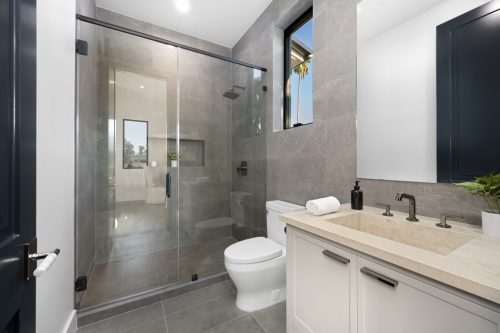
Bathrooms are a good example. New tile, better lighting, updated vanities, and improved waterproofing can completely change the space without forcing a full reconfiguration. If you are weighing options, take a look at bathroom remodeling solutions that fit condo layouts and building requirements.
Final Steps Before You Start Your Miami Condo Remodel
So, can you renovate a condo in Miami successfully? Yes, if you treat approvals, permits, and building operations as part of the remodel itself. The owners who have the smoothest experience usually do four things well: they review association documents early, define a realistic scope, choose materials that perform well in South Florida, and hire licensed professionals who know how condo remodeling restrictions work in practice.
Whether you are updating a unit in Brickell, refreshing an older waterfront condo in Miami Beach, or planning an investment property remodel in Coral Gables or Aventura, the goal is the same: create a better space without running into avoidable setbacks. Good planning protects resale value, reduces stress, and helps your renovation move from approval to completion with fewer surprises.
If you want expert help with condo renovation rules, design planning, and Miami-Dade permitting, request a free consultation with Newrome. Our licensed and insured team handles everything from focused interior upgrades to large-scale remodels with the craftsmanship and local experience Miami condo owners need.