For South Florida bathrooms, the right shower surface has to do more than look good. Porcelain shower tile stands up to humidity, daily moisture, and heavy use while giving Miami homeowners a clean, high-end finish that fits everything from coastal modern condos to Mediterranean-style homes.
Why porcelain shower tile works so well in Florida bathrooms
For many Miami homeowners, porcelain shower tile is the smartest mix of style, durability, and low maintenance. Bathrooms in South Florida deal with constant humidity, warm temperatures, and frequent use, especially in family homes, rental properties, and waterfront condos. A shower surface that absorbs less moisture and holds up over time is not just a design choice. It is a practical upgrade.
Porcelain is fired at higher temperatures than standard ceramic, which makes it denser and less porous. That matters in a shower because less water absorption means better resistance to staining, warping, and long-term moisture issues. In a climate like Miami-Dade, where damp air is part of daily life, that extra performance can help protect both the finish and the structure behind it.
If you are planning a larger remodel, porcelain tile also works well with broader layout and waterproofing upgrades. Many homeowners who learn about bathroom remodeling start with tile selection because it affects the look, maintenance needs, and lifespan of the whole space.
Porcelain vs. ceramic in a humid shower
Homeowners often ask whether ceramic is “good enough” for a shower. In some cases, it can be. But porcelain usually performs better in wet areas because of its lower absorption rate and stronger body. That makes it a better fit for primary bathrooms, guest baths used often, and investment properties where durability matters.
| Feature | Porcelain Tile | Ceramic Tile |
|---|---|---|
| Water resistance | Very high due to dense composition | Good, but generally more porous |
| Durability | Excellent for daily shower use | Moderate to good depending on product |
| Design options | Wide range, including stone and wood looks | Wide range, often at lower price points |
| Best use | High-moisture bathrooms and long-term remodels | Light to moderate use areas |
That does not mean every porcelain tile bathroom looks the same. In fact, one reason designers and contractors recommend porcelain so often is its flexibility. It can mimic marble, concrete, limestone, terrazzo, or natural wood while giving you a more predictable surface in a wet environment.
Why low absorption matters in Miami
In Brickell high-rises, Coral Gables homes, and Coconut Grove renovations, bathrooms often need to balance luxury with easy upkeep. Moisture can move into weak materials over time, especially if installation details are poor. Porcelain helps reduce that risk, but the material alone is not enough. A proper shower system also needs the right substrate, waterproof membrane, slope, grout selection, and sealant details around plumbing penetrations.
That is why experienced installation matters as much as tile choice. Homeowners planning a full house update often discover full home renovation options when they realize bathrooms, flooring transitions, plumbing access, and ventilation all connect.
Design advantages of a porcelain tile bathroom shower
A porcelain tile bathroom can fit almost any Miami design style. Contemporary tropical homes often use soft neutral slabs or sand-toned large panels. Mid-Century Modern spaces may lean into matte finishes and geometric patterns. Mediterranean Revival homes can pair warm porcelain with brass fixtures and arched niches. Because porcelain is available in so many sizes, colors, and textures, it is easier to match the architecture of the home without sacrificing performance.
Why a large format porcelain tile shower is so popular
A large format porcelain tile shower has become a top request in South Florida remodels for a simple reason: fewer grout lines. Fewer joints can create a cleaner visual effect and reduce the amount of grout that collects soap residue and mildew over time. In smaller condo bathrooms, large format tiles can also make the room feel more open.
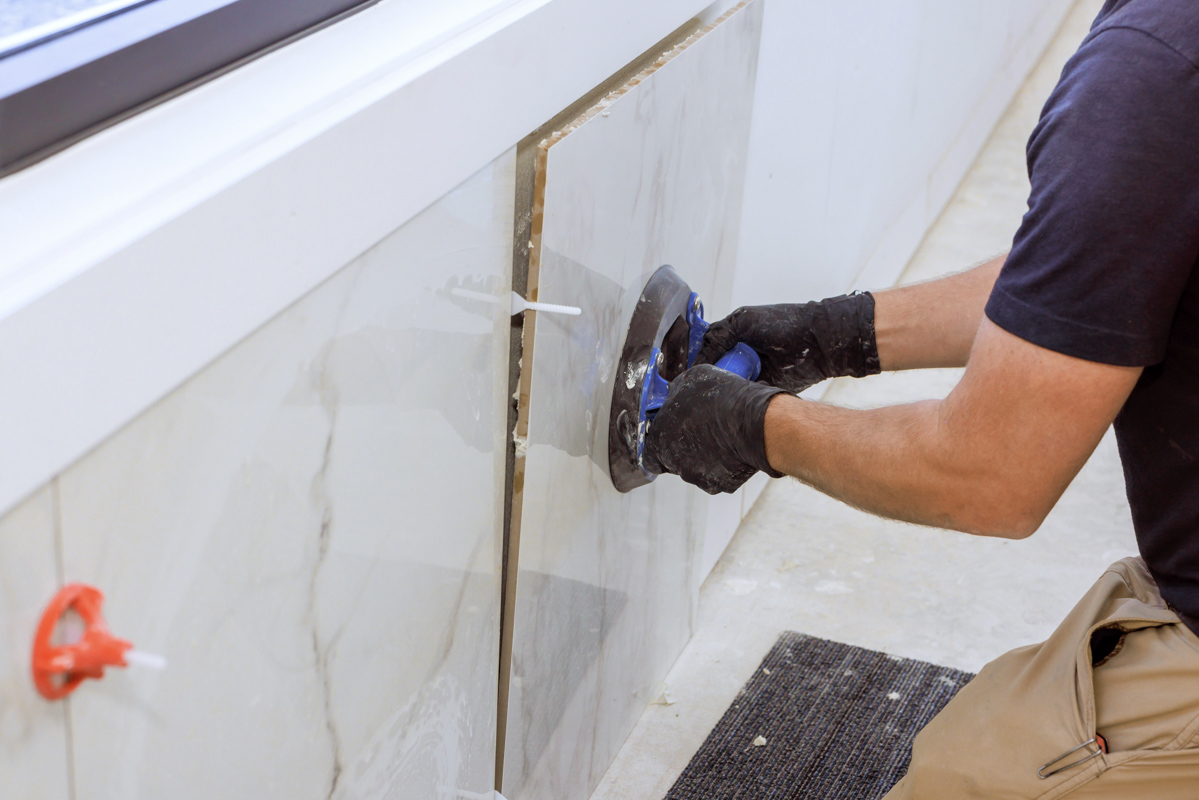
Large format tile does require careful planning. Walls need to be flatter, cuts need to be precise, and layout lines need to be intentional around valves, niches, benches, and drains. This is not a material to rush. If the shower walls are out of plane, lippage becomes more noticeable. A skilled crew will usually prepare the surface carefully before setting tile, especially in older Miami homes where walls may not be perfectly straight.
For homeowners updating multiple surfaces, it also helps to coordinate the shower with the rest of the room. You can explore flooring solutions that complement shower tile and create a more seamless transition across the bathroom.
Wood-look styles and minimal grout lines
Some homeowners want the warmth of wood without the maintenance concerns that come with real wood in a wet area. That is where wood look porcelain tile no grout heavy visuals can be especially appealing. While every tile installation still needs grout joints, modern rectified porcelain planks can create a cleaner, tighter look than many people expect.
This style works well in spa-inspired bathrooms in Pinecrest and contemporary remodels near the water, where owners want a natural look but need a surface that handles humidity. The key is choosing the right slip resistance for the shower floor and not using wall tile on the floor unless the product is rated for it.
- Use lighter porcelain tones to brighten bathrooms with limited natural light.
- Choose matte or textured finishes for shower floors to improve traction.
- Match grout color closely to the tile if you want a calmer, more continuous look.
- Ask about rectified edges if you prefer a more modern layout with tighter joints.
Installation details that matter more than the tile itself
Even the best porcelain shower tile can fail if the shower system underneath is built incorrectly. This is one of the biggest issues in bathroom renovations across South Florida, especially in older properties where previous work may not meet current standards. Florida’s wet climate makes waterproofing and ventilation non-negotiable.
How to tile a bathroom shower the right way
Homeowners often search for how to tile a bathroom shower, but the visible tile is only one part of the process. A successful installation usually follows a clear sequence:
- Inspect framing, plumbing locations, and wall condition.
- Install the proper backer system and waterproof membrane.
- Create the correct slope to the drain on the shower floor.
- Plan tile layout around niches, corners, and fixture lines.
- Set tile with the right mortar for porcelain and substrate type.
- Grout, seal where needed, and finish movement joints correctly.
In Miami-Dade and nearby areas, permit requirements may apply when a bathroom remodel includes plumbing, electrical, or structural changes. That is especially common in condo renovations, additions, and older homes being reworked to current code expectations. If your project includes moving fixtures or updating systems behind the walls, it helps to review plumbing renovation services early in the planning process.
Shower floors, bathroom floors, and material coordination
Many homeowners also want continuity between the shower and the rest of the room. Porcelain tile flooring makes that easier because it can be used across bathroom floors, shower walls, and sometimes even feature walls outside the wet area. The benefit is a more unified look and simpler maintenance routine.
Still, not every porcelain product should be used everywhere. Wall tile, floor tile, and shower pan mosaics often have different ratings for slip resistance, thickness, and installation method. That is why product selection should be based on the exact location, not just the color or pattern.
For homeowners who want inspiration before choosing a layout, it helps to view completed projects and compare how different porcelain styles work in modern, coastal, and classic South Florida homes.
If you are planning a bathroom update in Miami, Coral Gables, or Brickell, porcelain gives you a strong foundation for a shower that looks refined and performs well in a humid climate. The next step is making sure the design, waterproofing, and installation quality all work together so the finish lasts for years.
Maintenance, longevity, and everyday performance in a porcelain tile bathroom
One reason porcelain shower tile is such a strong fit for South Florida homes is that it stays attractive with relatively simple care. In a humid region like Miami, homeowners usually want materials that can handle steam, frequent cleaning, and everyday wear without becoming a constant maintenance project. Porcelain checks those boxes better than many other shower finishes.
What homeowners can expect over time
A well-installed porcelain tile bathroom shower can look sharp for many years because the surface is dense, hard, and resistant to moisture. That does not mean it is maintenance-free. Grout lines still need regular cleaning, sealants around corners and fixture penetrations should be checked, and any signs of loose tile or cracking should be addressed early before moisture gets behind the system.
For busy households in Miami-Dade, that long-term reliability matters. Families with kids, owners of short-term rental properties, and investors updating condos in Brickell or Miami Beach often choose porcelain because it gives them a durable finish without the upkeep demands of more delicate natural materials.
Simple care tips for humid Florida bathrooms
Good maintenance is usually more about consistency than special products. A few smart habits can help keep a shower cleaner and reduce moisture-related issues.
- Use the bathroom exhaust fan during and after showers to reduce trapped humidity.
- Wipe down excess water on glass and tile surfaces if the shower stays damp for long periods.
- Clean grout joints regularly with non-abrasive products made for tile.
- Inspect caulked joints near corners, niches, and plumbing trim once or twice a year.
- Address leaks quickly, especially around valves, shower heads, and drain connections.
If a remodel also includes lighting upgrades, better ventilation, or moving outlets and switches, it helps to review electrical renovation services as part of the overall bathroom plan. Better airflow and properly placed lighting can make a major difference in how the room performs and feels every day.
Best porcelain tile options for shower walls, floors, and full bathroom layouts
Not every porcelain product is the same, and the best choice depends on where the tile will be installed. A polished wall tile may look beautiful in a niche or feature wall, but a shower floor usually needs more texture for traction. In a full remodel, the goal is to balance appearance, slip resistance, grout maintenance, and the overall style of the home.
Choosing the right finish for each area
For shower walls, many Miami homeowners prefer smooth or lightly textured porcelain in soft neutrals, stone looks, or concrete-inspired finishes. These styles work well in contemporary tropical homes, modern condos, and even classic Coral Gables properties that need a cleaner, updated bathroom.
For shower floors, mosaics or smaller-format porcelain often make more sense because they follow the slope to the drain more easily and provide more grip underfoot. For the main bathroom floor, porcelain tile flooring remains one of the most practical options because it can stand up to wet feet, sand, and daily traffic without the concerns that come with real wood or softer stone.
| Bathroom Area | Best Porcelain Option | Main Reason |
|---|---|---|
| Shower walls | Large format or rectified porcelain | Cleaner look with fewer grout lines |
| Shower floor | Textured mosaic or small-format porcelain | Better traction and easier drain slope |
| Main bathroom floor | Matte porcelain tile flooring | Durability, water resistance, and easy care |
| Feature wall or niche | Decorative porcelain pattern or stone look | Adds design interest without high maintenance |
How style and resale value connect
In South Florida, bathrooms often influence how buyers and renters view the whole property. A porcelain tile bathroom with a cohesive layout, good lighting, and quality waterproofing tends to feel more finished and more dependable. That is especially true in neighborhoods where design matters, such as Coconut Grove, Pinecrest, Aventura, and Brickell.
Large-scale tile, warm wood visuals, and natural stone looks are all popular, but the best design is usually the one that matches the architecture of the home. A large format porcelain tile shower may suit a sleek waterfront condo, while a softer limestone-look porcelain may fit a Mediterranean Revival home better. If you are updating more than one room, you can discover full home renovation options that keep materials, finishes, and transitions consistent throughout the property.
Planning mistakes to avoid before you tile a bathroom shower
Many shower problems start before the first tile is ever installed. Product selection, wall preparation, drainage details, and layout planning all affect how the finished shower looks and performs. Homeowners searching for how to tile a bathroom shower often focus on tile patterns and grout color first, but the behind-the-wall decisions are usually more important.
Common issues that can affect the final result
In older Miami homes and condos, uneven walls are common. If those surfaces are not corrected before tile goes up, large format pieces can show lippage or uneven joints. Poor drain placement can also create awkward cuts on the shower floor, and bad niche placement can make the whole layout feel off-center.
Another frequent mistake is choosing tile based only on appearance. A product that looks perfect in the showroom may not be the best fit for a shower floor, a steam-heavy bathroom, or a high-use family bath. That is why experienced installers review product ratings, edge type, thickness, and recommended applications before ordering materials.
Questions worth asking before installation starts
Before work begins, homeowners should have clear answers to a few practical questions:
- What waterproofing system will be used behind the porcelain shower tile?
- Is the selected tile rated for walls, floors, or both?
- How will the layout align with niches, plumbing fixtures, and corners?
- What grout type is best for the size of the joints and the level of moisture exposure?
- Will plumbing valves, drains, or supply lines need updating during the remodel?
These details matter even more in Miami-Dade properties where building conditions can vary from older block homes to modern high-rise units with condo association rules. If your project involves fixture relocation or replacing aging supply lines, it is smart to explore plumbing services before tile work begins so the walls do not need to be reopened later.
Why professional installation makes the biggest difference
Porcelain is one of the best materials for a Florida shower, but the quality of the installation will decide whether it performs well for years or develops issues early. A clean-looking shower depends on flat surfaces, proper waterproofing, accurate cuts, correct mortar coverage, and well-finished movement joints. Those are not small details. They are the difference between a shower that simply looks good on day one and one that still works properly years later.
That is especially true with a large format porcelain tile shower, where precision matters more because every uneven line is easier to see. It also matters with wood look porcelain tile no grout style layouts, where homeowners expect a sleek, continuous appearance. Tight joints and clean transitions only work when the substrate has been prepared correctly and the tile has been installed with care.
For Miami homeowners, a bathroom remodel is rarely just about one surface. Tile selection connects to waterproofing, plumbing, lighting, ventilation, flooring transitions, and the overall design of the home. Whether you are refreshing a guest bath, remodeling a primary suite, or upgrading an investment property, it helps to work with a Miami renovation team that understands local homes, humidity, permitting realities, and long-term performance.
If you are ready to plan a porcelain tile bathroom that fits your style and holds up in South Florida conditions, Newrome can help with design guidance, skilled installation, and full project coordination. You can request a consultation to discuss your shower remodel, compare tile options, and build a bathroom that looks refined and performs the way it should.