Finding where to buy a bathroom vanity in Miami is about more than choosing a cabinet and sink. The right source can help you match your space, budget, plumbing layout, and South Florida’s humid climate—while avoiding costly sizing mistakes. Compare local showrooms and online options before investing in a vanity that will look great and last.
Where to Buy a Bathroom Vanity in Miami: Start With Your Project Needs
Homeowners searching for where to buy bathroom vanity options in Miami have two main paths: visiting a local showroom or ordering online. Both can work well, but the best choice depends on whether you need hands-on guidance, a custom fit, fast delivery, or a specific design style.
A bathroom vanity affects daily function as much as appearance. It holds the sink, supports the countertop, hides plumbing, and provides storage in one of the most moisture-prone rooms in the house. In Miami, Miami Beach, Coconut Grove, and Coral Gables homes, materials also need to handle high humidity and frequent air-conditioning cycles without swelling, peeling, or warping.
Before shopping, write down your rough opening width, drain location, available door clearance, and preferred sink type. If the room is part of a larger update, working with a professional bathroom remodeling team early can prevent a beautiful vanity from becoming an expensive fit problem.
Measure Before You Fall in Love With a Style
Many vanity returns happen because the buyer measured only the wall width. A proper plan includes the cabinet, countertop overhang, backsplash, mirror, light fixtures, toilet clearance, and swing of the bathroom door.
How tall is a bathroom vanity? Standard finished vanity height is usually 32 to 36 inches, including the countertop. A 36-inch “comfort height” vanity is popular in contemporary tropical homes and primary bathrooms because it feels closer to kitchen-counter height. A 32- to 34-inch height may work better for children’s bathrooms or when using a tall vessel sink.
How deep is a bathroom vanity? Most standard models are about 21 inches deep, while compact vanities for powder rooms often range from 16 to 18 inches deep. For a narrow Brickell condo bath or an older Art Deco layout, a shallow vanity can preserve walking space without sacrificing style.
Choose Materials That Can Handle South Florida Moisture
Solid wood and furniture-grade plywood generally perform better than low-quality particleboard in humid bathrooms. Look for sealed edges, moisture-resistant finishes, soft-close hardware, and a durable countertop. Quartz is a practical choice for easy care, while natural stone can create a classic Mediterranean Revival look but may need periodic sealing.
Use this quick comparison when deciding between common vanity-buying options:
| Buying Option | Best For | Key Watch-Out |
|---|---|---|
| Miami showroom | Seeing finishes and getting design help | May have limited in-stock sizes |
| Online retailer | Large selection and easy price comparison | Verify dimensions, freight terms, and return rules |
| Custom cabinet shop | Odd layouts, premium finishes, and exact storage needs | Longer lead time and detailed planning required |
Why Miami Bathroom Vanity Showrooms Are Worth Visiting
Local showrooms are especially useful for homeowners who want to compare colors, door styles, stone samples, and hardware in person. Photos on a screen can make warm white look gray, hide a laminate seam, or fail to show how much texture a countertop really has.
See the Details That Online Photos Miss
At a showroom, open the drawers, inspect the cabinet interior, and check whether the doors feel sturdy. You can also see whether a floating vanity looks proportional for your room. Floating designs are common in sleek Mid-Century Modern and contemporary Miami renovations, but they require solid wall blocking and careful mounting.
Showroom professionals can help identify practical conflicts before purchase. For example, a center-drawer vanity may not work with a drain that sits in the middle of the wall. A vanity with one large sink basin may interfere with an existing water line. These issues are easier to correct during planning than after delivery.
Get Local Guidance on Installation and Permits
Replacing a cabinet in the same location may be straightforward, but moving plumbing, adding electrical outlets, or changing walls can require permits and inspections under Florida Building Code and Miami-Dade requirements. A licensed contractor can determine what applies to your scope.
For projects that include supply lines, shutoff valves, drain changes, or a new sink configuration, coordinate with qualified bathroom plumbing professionals. Proper connections protect the cabinet from slow leaks, which can damage even a well-made vanity over time.
Showroom shopping also supports a coordinated design plan. Bring paint chips, flooring samples, tile photos, and measurements. This helps you decide whether a light oak cabinet, deep navy finish, or crisp white vanity better suits your home’s lighting and style.
Buying a Bathroom Vanity Online: Smart Ways to Avoid Costly Mistakes
Online shopping is often the fastest way to compare brands, widths, finishes, and countertop choices. It is a strong option for homeowners who know their dimensions and want access to styles not carried locally. Still, knowing where to buy bathroom vanity products online means looking beyond the listed price.
Read Specifications Like a Contractor
Check the full product specification sheet before ordering. Confirm whether the listed width includes the countertop, whether the sink is included, and whether the faucet, drain, mirror, and backsplash are sold separately. Also check the cabinet material, assembly requirements, weight, and shipping method.
Use this pre-order checklist to reduce surprises:
- Measure wall width, depth, and door or shower clearance twice.
- Confirm the drain location matches the drawer and cabinet layout.
- Review the countertop and sink cutout dimensions.
- Ask about freight delivery, damage inspections, and return shipping.
- Choose a moisture-resistant cabinet box and sealed countertop edge.
Inspect every shipment before signing for freight delivery. Take photos of damaged boxes, cracked stone, chipped corners, or missing parts immediately. Heavy quartz tops and integrated sinks can be difficult to return once a delivery is accepted.
Plan Installation Before the Vanity Arrives
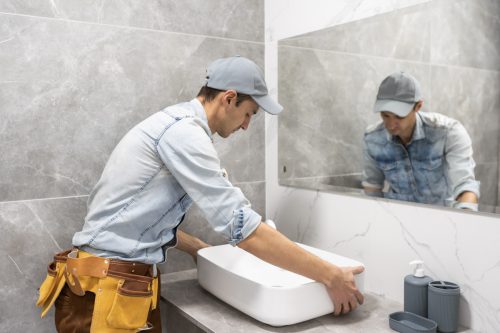
Homeowners often ask how to install a bathroom vanity after purchasing it online. The basic process includes shutting off water, removing the old unit, checking wall and floor condition, securing the new cabinet to wall studs, reconnecting plumbing, sealing the countertop, and testing for leaks. However, the details matter: an unlevel cabinet can crack a stone top, and an improperly supported floating vanity can pull away from the wall.
If you are also changing tile, lighting, drywall, or layout, schedule the vanity after the rough plumbing and electrical work but before final touch-ups. For a complete redesign, Newrome’s full home renovation services can coordinate each trade and keep finishes aligned from room to room.
Replacement Questions Miami Homeowners Should Answer First
Learning how to replace bathroom vanity cabinets starts with deciding whether the new unit will use the same footprint and plumbing locations. A like-for-like replacement is usually simpler. Moving the sink, widening the vanity, or installing a double-sink model may involve wall repairs, floor patching, and plumbing changes.
How to Remove a Bathroom Vanity Safely
To understand how to remove a bathroom vanity, start by turning off the hot and cold water supply valves. Disconnect the faucet supply lines and P-trap, then cut the caulk around the backsplash and countertop. Remove the countertop carefully, unscrew the cabinet from wall studs, and lift the cabinet away without damaging nearby tile or drywall.
Older Miami homes may hide water damage behind the cabinet, especially around supply valves and drains. Check the wall, subfloor, and baseboards for staining, soft materials, mold, or corrosion before installing the replacement. Addressing these conditions first protects the new vanity and creates a cleaner, longer-lasting bathroom remodel.
Showroom vs. Online: Which Is Better for Your Miami Bathroom?
Choosing where to buy bathroom vanity products comes down to how much certainty you need before purchase. A local showroom gives you a close look at quality and finish, while online stores offer broader selection and convenient browsing. For many Miami homeowners, the best approach is to use both: research styles online, then visit a showroom to compare similar materials in person.
Choose a Showroom If You Need Design Confidence
Showrooms are usually the better choice for a primary bathroom, a high-value property in Coral Gables or Pinecrest, or any project with unusual dimensions. Seeing a vanity in person helps you judge whether its finish works with your porcelain tile, wall paint, and lighting. This matters in South Florida, where strong natural daylight can change how cabinet colors appear throughout the day.
A showroom can also help you compare practical construction details. Look for full-extension drawers, dovetail drawer boxes, adjustable hinges, and solid mounting rails. These features often hold up better than basic flat-pack cabinets, especially in busy family bathrooms and rental properties.
Visit with a complete set of measurements and photos. A salesperson or designer can help you identify whether a 48-inch vanity, 60-inch double vanity, or custom option makes sense for the room. They may also suggest a countertop edge profile that fits the style of your home, from clean contemporary quartz to warmer stone surfaces used in Mediterranean Revival interiors.
Choose Online Shopping If You Have a Clear Plan
Online retailers can be a practical source for standard-size vanities, especially 24-, 30-, 36-, 48-, and 60-inch models. Homeowners can compare hundreds of designs, read customer reviews, and filter options by width, color, sink configuration, and price range without traveling around Miami-Dade.
However, a lower online price does not always mean a lower final cost. Freight delivery, threshold drop-off, return shipping, and countertop damage can affect the value of an order. Before buying, confirm the seller’s return period and find out whether the vanity arrives fully assembled, partially assembled, or as separate cabinet, countertop, and sink pieces.
For condos in Brickell, Miami Beach, and Aventura, check building delivery rules before placing an order. Many properties require advance scheduling, elevator reservations, proof of insurance from installers, and protected routes for moving heavy stone tops. A vanity delivery that cannot enter the building on the scheduled day can delay the entire renovation.
Questions to Ask Any Vanity Seller
Whether you buy locally or online, get clear answers to these questions before committing:
- Is the cabinet made from solid wood, plywood, MDF, or particleboard?
- Does the stated width include the countertop overhang?
- Are the sink, backsplash, faucet, and drain assembly included?
- Where are the plumbing cutouts located inside the cabinet?
- What happens if the countertop, sink, or cabinet arrives damaged?
These details make it easier to compare products fairly. They also help prevent a situation where a vanity looks affordable online but needs extra parts, modifications, or labor after it arrives.
How to Match a New Vanity to Miami Design and Daily Use
The best bathroom vanity should fit the architecture of the home and the people using it every day. A vanity for a compact guest bath may prioritize shallow depth and easy cleaning. A primary suite may need double sinks, larger drawers, built-in organizers, and enough counter space for two people.
Contemporary tropical homes often pair light oak or walnut-look vanities with white quartz, matte black hardware, and large-format porcelain tile. Art Deco-inspired bathrooms can use fluted cabinet fronts, rounded mirrors, brass fixtures, and colorful tile. In a classic Coral Gables home, a painted wood vanity with natural stone may better complement the existing character.
Pick the Right Countertop and Sink Combination
Quartz is a popular vanity-top choice because it is nonporous, consistent in color, and simple to maintain. Granite provides natural variation and good durability but usually needs sealing. Marble creates a high-end look, yet it can etch or stain more easily from cosmetics, toothpaste, and cleaning products.
| Feature | Undermount Sink | Vessel Sink |
|---|---|---|
| Best style | Clean, modern, easy-care bathrooms | Statement designs and powder rooms |
| Cleaning | Easy to wipe directly into sink | Requires cleaning around the base |
| Vanity height | Works with standard cabinet heights | May require a lower cabinet |
Think about faucet placement as well. Vessel sinks typically require a taller single-hole faucet or a wall-mounted faucet. Wall-mounted fixtures can create a clean look and free up counter space, but they require careful rough plumbing inside the wall before tile or drywall is finished.
Plan Storage Around Real Bathroom Habits
Open shelving can make a small bath feel lighter, but it exposes towels and toiletries to humidity. Deep drawers are useful for hair tools and larger containers, while narrow pullouts can organize cosmetics and cleaning supplies. For investment properties, simple drawer layouts and durable finishes are often easier for future tenants to use and maintain.
If your renovation includes new sconces, outlets, or a lighted mirror, coordinate the vanity plan with qualified bathroom electrical services. Electrical work near sinks must follow current safety requirements, including proper GFCI protection where required. Planning these elements together avoids placing an outlet behind a mirror or too close to a backsplash edge.
Protect Your Investment With Professional Installation
Even a well-chosen vanity can fail early if it is installed on an uneven floor, attached to weak framing, or connected to leaking plumbing. Professional installation is especially valuable for floating vanities, double-sink cabinets, stone countertops, and bathrooms with older plumbing.
Know When Replacement Becomes a Renovation
How to replace bathroom vanity units becomes more complex when the old cabinet has hidden damage. Once the vanity is removed, installers may find cracked tile, deteriorated drywall, soft subflooring, corroded valves, or a drain that does not align with the new drawers. These conditions should be corrected before the new cabinet is secured.
For a simple swap, installation may involve leveling the cabinet, fastening it into wall studs, setting the countertop, reconnecting the sink, and sealing all edges. For a larger remodel, the sequence may include demolition, plumbing changes, electrical upgrades, waterproofing, tile installation, painting, vanity placement, and final fixture connections.
Miami homeowners should also avoid relying on caulk to hide major gaps or support heavy stone. Proper shims, wall blocking, secure fasteners, and level surfaces are essential for long-term performance. After installation, inspect supply lines and the P-trap for slow leaks during the first several days of use.
Make a Confident Bathroom Vanity Purchase in Miami
Where to buy bathroom vanity options in Miami depends on your space, design priorities, and installation needs. Showrooms offer hands-on guidance and material confidence, while online sellers provide broad selection and convenient price comparisons. In either case, accurate measurements, moisture-resistant materials, clear delivery terms, and a qualified installation plan make the difference.
For a vanity replacement or a complete bathroom transformation, contact Newrome to discuss your goals. Our licensed, insured, experienced team can help coordinate durable materials, plumbing, electrical work, and craftsmanship that supports a beautiful, functional Miami home.