Water stains on ceiling are more than a paint problem: they can point to a roof breach, failed plumbing connection, or moisture trapped above the drywall. Learn how to trace the source safely, protect your Miami home from mold and repeat damage, and plan a repair that restores a clean, durable finish instead of hiding a leak.
What Water Stains on Ceiling Really Mean
Water stains on ceiling surfaces usually appear as yellow, tan, or brown rings. While a small mark may seem harmless, it often means moisture has traveled through insulation, framing, drywall, or paint. The visible spot is not always directly below the leak, especially on sloped roofs or around plumbing lines.
In Miami and throughout South Florida, heavy rain, hurricane-season wind, high humidity, and air-conditioning condensation can all create ceiling moisture problems. Older Mediterranean Revival homes, contemporary tropical properties, and high-rise condos in Brickell can each have different causes, from a damaged roof flashing to a leaking unit above.
Common Clues Behind a Ceiling Stain
A brown stain on ceiling material is usually caused by water carrying dirt, rust, wood tannins, or minerals through the drywall. If the area grows after rain, the roof or an exterior wall opening is the likely source. If it gets worse after someone showers, runs a dishwasher, or uses an upstairs bathroom, plumbing should be inspected first.
| What You See | Likely Cause | Best Next Step |
|---|---|---|
| Stain expands after rainfall | Roof leak, flashing issue, or damaged exterior seal | Inspect roof penetrations and exterior openings |
| Stain below a bathroom or kitchen | Leaking supply line, drain, shower pan, or appliance | Test fixtures and inspect plumbing connections |
| Soft, bubbling, or sagging drywall | Active or long-term moisture exposure | Stop using the area and arrange prompt repairs |
| Small stain near an AC vent | Condensation or clogged drain line | Have the HVAC system and drain pan checked |
A single water stain on ceiling drywall can also indicate an old leak that was repaired years ago. However, do not assume it is inactive just because the surface feels dry. Moisture meters, attic checks, and careful fixture testing help confirm whether ceiling water damage is still developing behind the finish.
How to Find the Leak Before Repairing Water Stains on Ceiling
The best repair starts with identifying the source, not repainting the stain. Covering a wet area with primer may hide discoloration briefly, but trapped moisture can lead to peeling paint, mold growth, damaged insulation, and weakened drywall.
Start With Safety and Simple Testing
If the ceiling is sagging, dripping near a light fixture, or feels soft to the touch, keep people away from the area. Turn off electricity to affected fixtures at the breaker if it is safe to do so. Water and electrical wiring should always be handled by qualified professionals.
Use this process to narrow down the cause:
- Check whether the stain changes after rain, shower use, laundry cycles, or air-conditioning operation.
- Look directly above the stain, including attic space, second-floor rooms, plumbing cabinets, and roof penetrations.
- Inspect visible pipes, shutoff valves, appliance hoses, and drain traps for drips or corrosion.
- Check windows, exterior doors, and wall cracks if wind-driven rain may be entering the home.
- Take dated photos of the damage before opening drywall or beginning repairs.
Miami-Specific Sources of Ceiling Leaks
In Miami-Dade County, wind-driven rain can force water through failed caulking, roof flashing, and openings around windows. Homes near Biscayne Bay and Miami Beach also face salt air, which can shorten the life of exterior metal components and seals. If staining appears after a tropical storm, inspect roof valleys, skylights, vent boots, and the perimeter of impact-rated windows.
For leaks around showers, tubs, sinks, refrigerators, or upstairs bathrooms, professional plumbing services can locate concealed pipe or drain failures without unnecessary demolition. A persistent stain near a window or exterior wall may require repairs to weather seals, trim, or glazing; explore Newrome’s doors and windows solutions for durable, weather-conscious upgrades.
Fix the Cause First, Then Repair the Ceiling
Permanent water damage ceiling repair follows a clear order: stop the water, dry the structure, remove damaged materials, rebuild the ceiling, and finish it with the correct primer and paint. Skipping any step can cause the stain to return.
Drying and Material Replacement
Drywall that is soft, swollen, moldy, or crumbling should usually be removed. Wet insulation may also need replacement because it can hold moisture against framing. Once the leak is fixed, the cavity must dry fully before new drywall is installed. In South Florida’s humid climate, fans and dehumidification may be needed to bring moisture levels down safely.
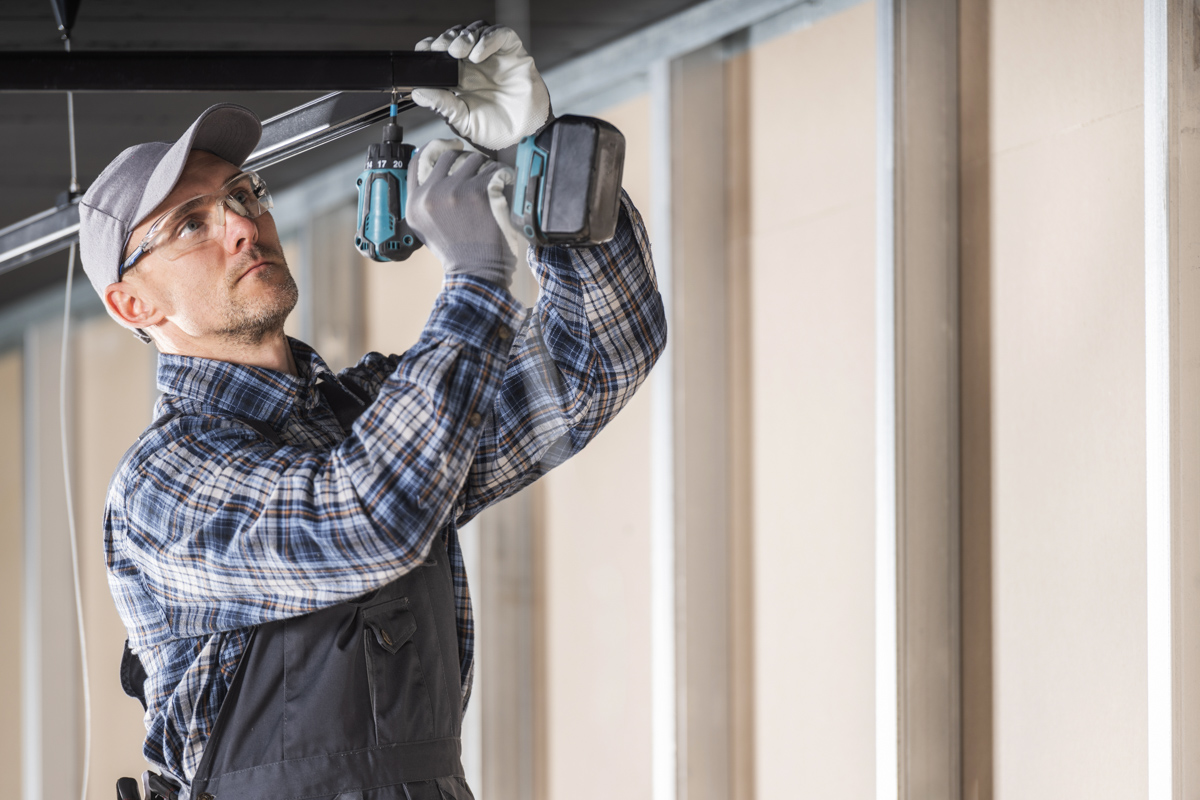
For a clean repair, contractors often cut drywall back to solid material, inspect framing for rot or mold, install new backing where needed, and finish joints with tape and compound. Professional drywall repair services are especially valuable when the damaged area is large, textured, or located near recessed lights and ceiling vents.
How to Remove Water Stains From Ceiling Surfaces
Homeowners often search for how to remove water stains from ceiling finishes, but stain removal should only happen after the area is completely dry and the leak is resolved. First, lightly sand loose paint and clean away dust. Then use a stain-blocking primer designed for water marks. Shellac- or oil-based stain blockers are often more reliable than standard latex primer for stubborn brown rings.
After the primer cures, apply ceiling paint in thin, even coats. A flat ceiling paint usually blends best, while moisture-prone bathrooms may benefit from a quality mildew-resistant coating. Newrome’s interior painting services can help match existing finishes and prevent patchy repairs that stand out under Miami’s bright natural light.
When a Small Stain Calls for a Larger Renovation Plan
A recurring ceiling stain can reveal larger issues behind the walls, including aging plumbing, poor bathroom waterproofing, roof deterioration, or improperly sealed additions. In a condo, water may originate from a neighboring unit or common building system, so documentation and early communication with property management are essential.
For major repairs involving structural work, relocated plumbing, or a bathroom rebuild, permits may be required under Florida Building Code and local Miami-Dade rules. A licensed, insured renovation team can coordinate repairs in the correct sequence, protect surrounding finishes, and make sure the repaired ceiling supports the home’s long-term value rather than becoming a repeat maintenance issue.
Prevent Future Water Stains on Ceiling Surfaces
Once the repair is complete, routine maintenance can reduce the risk of another water stain on ceiling drywall. This matters in Miami, Coral Gables, Coconut Grove, and other South Florida communities where intense rain, humidity, and salt air put extra stress on roofs, seals, and mechanical systems.
Build Moisture Checks Into Home Maintenance
Inspect vulnerable areas at least twice a year and after major storms. Catching small failures early helps protect drywall, framing, custom finishes, and the resale value of your home.
- Clear roof drains and gutters so water does not back up under roofing materials.
- Check flashing around vents, skylights, chimneys, and roof-to-wall transitions.
- Test bathroom caulking and grout, especially around shower corners and tub edges.
- Have AC drain lines, pans, and insulation checked before the humid summer season.
- Watch for peeling paint, musty odors, or new brown stain on ceiling areas after heavy rain.
For Miami homeowners with older homes or recent additions, a recurring ceiling mark may be a sign that several systems need attention together. Roof repairs, plumbing upgrades, waterproofing, drywall replacement, and finish work should be coordinated in the right order. This avoids reopening a newly painted ceiling to correct a hidden source later.
Choose Repairs That Match Your Home’s Finish
A well-repaired ceiling should blend with the character of the space, whether your property has Art Deco details, Mid-Century Modern lines, Mediterranean Revival plaster, or a contemporary tropical design. Matching ceiling texture, paint sheen, trim profiles, and recessed lighting placement is often just as important as covering the damaged area.
Water stains on ceiling surfaces should never be treated as a cosmetic issue alone. Find and stop the leak, dry the affected materials completely, replace damaged drywall where needed, and use a proven stain-blocking finish. For durable water damage ceiling repair and carefully coordinated renovation work, contact Newrome to request a consultation with a licensed, insured Miami renovation team.