LVP has become a go-to floor for Miami homes because it offers the wood look people want with better moisture resistance for kitchens, bathrooms, and open living spaces. The real difference is in the layers, especially the wear layer. Here’s how luxury vinyl plank is built, what lasts in high humidity, and what to look for before you install it.
What Is LVP Flooring and Why Miami Homeowners Choose It
What is LVP flooring? LVP stands for luxury vinyl plank, a multi-layer flooring product made to look like real hardwood while offering better resistance to moisture, daily wear, and temperature swings. If you have been asking what is luxury vinyl plank or what is vinyl plank flooring, the short answer is this: it is a durable synthetic plank floor designed for busy homes and humid climates like Miami.
For many South Florida homeowners, the appeal is practical. You get the warm, clean look of wood without the same sensitivity to humidity that can affect natural flooring materials. In neighborhoods like Coral Gables, Brickell, Coconut Grove, and Pinecrest, LVP works well in both modern and traditional interiors because the styles range from light coastal oak looks to richer tones that fit Mediterranean Revival or contemporary tropical homes.
The growing interest in flooring installation services often starts with one question: lvp vs vinyl, what is the difference? In casual conversation, people use the terms interchangeably, but LVP is really a premium type of vinyl flooring. Standard sheet vinyl comes in large rolls, while luxury vinyl plank comes in individual planks that better mimic hardwood boards in shape, texture, and layout.
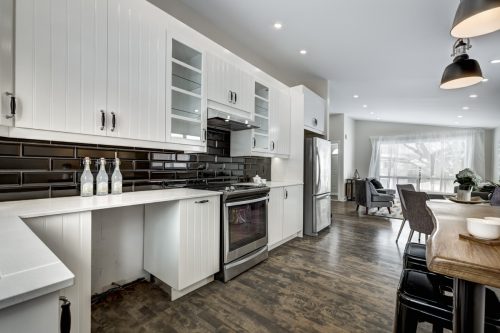
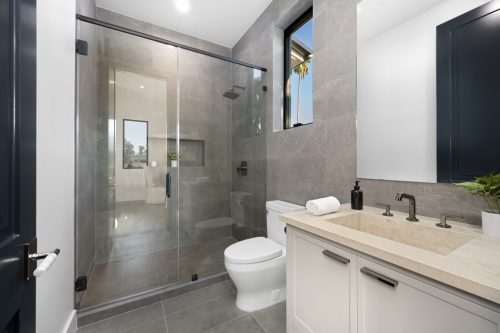
That plank format matters during a remodel. It can create a more custom look across open-concept living areas, and it pairs well with updated finishes in kitchen remodeling projects and bathroom remodeling where moisture resistance is a priority.
LVP Flooring Meaning in Simple Terms
The easiest way to understand lvp flooring meaning is to think of it as a layered floor system. Each plank is built with several parts that work together:
- A backing layer for stability
- A core layer that gives the plank structure
- A printed design layer that creates the wood or stone look
- A top wear layer that protects against scratches, stains, and daily traffic
Not all LVP is made the same, and that is where many buying mistakes happen. Two floors can look almost identical in a showroom but perform very differently in a humid Miami home.
How Luxury Vinyl Plank Is Built: The Layers That Matter
If you want a better answer to what is lvp flooring, you need to look past color and texture and focus on construction. The internal layers affect comfort, durability, and long-term performance.
Backing Layer and Core Layer
The bottom layer helps the plank sit properly over the subfloor. Above that is the core, which is one of the most important parts of the product. Many quality planks use rigid core technology, often SPC or WPC.
SPC stands for stone plastic composite. It tends to be denser and more dent-resistant, which can be useful in homes with pets, heavy furniture, or frequent foot traffic. WPC stands for wood plastic composite. It usually feels a little softer underfoot and can help reduce minor subfloor imperfections.
In South Florida, dimensional stability matters. A good core helps the floor resist expansion and contraction caused by indoor humidity changes, air conditioning cycles, and seasonal moisture. That is especially important during a full home renovation where flooring may run continuously through several rooms.
Design Layer
This is the photographic layer that gives LVP its appearance. Better products usually have more realistic grain patterns, less obvious repetition from plank to plank, and embossed textures that follow the printed design. If you want a floor that fits a high-end Miami remodel, this layer plays a big role in the final look.
The LVP Wear Layer Explained
The lvp wear layer is the clear top coating that protects the printed design underneath. This is one of the most important details to compare before buying. If the wear layer is too thin for your household, the floor may show scratches, scuffs, or dull traffic paths much sooner than expected.
Here is a simple comparison of what homeowners usually see in the market:
| Wear Layer | Best For | What to Expect |
|---|---|---|
| 6 mil | Low-traffic rooms | Basic protection, less ideal for busy family spaces |
| 12 mil | Most homes | Balanced durability for everyday use |
| 20 mil | High-traffic homes and light commercial use | Better long-term resistance to wear and scuffs |
For Miami households with kids, pets, pool traffic, or frequent indoor-outdoor movement, a thicker wear layer is usually the safer choice. It does not make the floor waterproof by itself, but it does help preserve the look of the surface over time.
What Lasts in High Humidity in Miami Homes
Humidity is where product quality really shows. Many people search what is lvp flooring because they want something that can handle South Florida conditions better than traditional hardwood. That is a fair reason. LVP generally performs well in humid environments, but only if the product is installed correctly and matched to the space.
Why LVP Performs Better Than Some Other Floors
Natural wood can expand, contract, or cup when moisture levels shift. Laminate may swell if water reaches the core. Quality LVP is more forgiving because its synthetic construction resists those issues better. That makes it a common choice for kitchens, bathrooms, condos near the water, and first-floor spaces where moisture is a concern.
Still, “water-resistant” and “waterproof” should not be treated as the same thing in every situation. Standing water, plumbing leaks, or moisture rising from a slab can still create problems if the wrong underlayment is used or the subfloor is not properly prepared. That is why experienced planning matters, especially in older Miami-Dade properties and coastal homes exposed to salt air and heavy AC use.
What Helps LVP Last Longer in Humid Conditions
Several factors affect long-term performance more than color or brand marketing. Before choosing a product, focus on these points:
- Choose a rigid core plank with good dimensional stability.
- Look for an appropriate wear layer based on room traffic.
- Make sure the subfloor is dry, level, and prepared to manufacturer standards.
- Use transition details correctly in larger layouts or room changes.
- Address any plumbing or moisture issues before installation.
This is especially relevant in bathrooms, laundry areas, and kitchen remodels where hidden moisture problems can shorten the life of any floor. If your renovation includes layout changes, fixture moves, or slab work, it helps to coordinate flooring with related trades such as plumbing upgrades early in the process.
Miami Design and Building Considerations
In Miami and surrounding areas, flooring choices are often tied to more than style. Condo associations may have sound-control requirements. Some homes in flood-prone zones need extra care with material transitions and base details. During larger renovations, Florida code and permit requirements may also affect the sequence of work, especially if flooring is part of a broader interior remodel.
For homeowners comparing materials room by room, LVP is often a smart fit for a clean, cohesive look throughout living spaces. It can also work well with impact-resistant upgrades, fresh wall finishes, and modern trim details. If you want to compare finishes across real homes, you can view completed projects or request a free consultation to discuss which plank construction makes the most sense for your space.
LVP vs Vinyl, Laminate, and Tile in Real-World Miami Use
If you are still deciding after learning what is LVP flooring, it helps to compare it with other materials people commonly use in South Florida homes. The answer to lvp vs vinyl is usually about format, performance, and appearance. Standard vinyl may cost less, but luxury vinyl plank typically looks more realistic and feels more like a finished wood floor because it comes in individual planks with better surface texture.
Laminate can also mimic wood well, but its core is usually more vulnerable if water gets into the seams. In humid Miami-Dade homes, that matters. Porcelain tile remains a strong option for wet areas and coastal properties, but many homeowners find it harder underfoot and less warm visually in living spaces. That is why LVP often becomes the middle ground: easier to live with than tile for some families, and more moisture-friendly than many wood-based products.
For homeowners planning broader Miami home renovation services, flooring should be chosen with the whole house in mind. The right plank tone can connect kitchens, hallways, bedrooms, and living areas in a way that feels intentional instead of pieced together.
Quick Material Comparison
Here is a simple side-by-side look at how these materials usually perform in Miami homes.
| Material | Humidity Performance | Best Fit |
|---|---|---|
| LVP | Very good with proper installation | Whole-home remodels, kitchens, bedrooms, condos |
| Laminate | Fair to moderate | Drier interior rooms with lower moisture risk |
| Porcelain Tile | Excellent | Bathrooms, laundry rooms, coastal homes |
| Sheet Vinyl | Good | Budget-focused utility spaces |
For investors updating rentals in Brickell or homeowners renovating family houses in Coral Gables and Pinecrest, LVP often stands out because it balances appearance, maintenance, and durability. It also works well with modern trim packages, fresh wall finishes, and coordinated interior painting services that complete the look.
How to Choose the Right LVP Wear Layer and Plank Construction
The most useful buying question is not just what is luxury vinyl plank, but which type is right for your home. A better floor starts with matching the construction to how you actually live. That includes pets, kids, furniture weight, direct sunlight, and how often exterior doors open to bring in moisture, sand, or pool traffic.
Pick the Wear Layer Based on Traffic
The lvp wear layer should match the room, not just the budget. A guest bedroom does not need the same protection as a kitchen, main hallway, or open-concept family room. In many homes, 12 mil is a practical baseline, while 20 mil is worth considering for higher-traffic households or properties used as short-term rentals where wear happens faster.
Also pay attention to the finish on top of the wear layer. Some products include ceramic bead or enhanced urethane coatings that improve scratch and stain resistance. These details matter if you have dogs, rolling chairs, or frequent entertaining.
Look Beyond Thickness Alone
People often assume a thicker plank always means a better floor. That is not necessarily true. Overall thickness can help with sound, feel, and minor subfloor variation, but the wear layer and core quality usually matter more for long-term durability. If you are comparing products, ask about:
- Core type: SPC or WPC
- Wear layer thickness in mil
- Surface coating for scratch resistance
- Locking system quality
- Manufacturer installation requirements
This is where experienced flooring installation services make a difference. A strong product can still fail early if the slab has moisture issues, the planks are not acclimated as required, or transitions are skipped in large connected spaces.
Best Style Choices for South Florida Homes
Color and texture affect maintenance more than many buyers expect. Very dark planks can show dust and pet hair faster, which is worth thinking about in sunny Miami homes. Very light gray floors may look clean and modern at first, but some can feel flat if they do not coordinate with cabinetry, wall color, and trim.
In South Florida, these looks tend to work well:
- Light natural oak for contemporary tropical and coastal interiors
- Medium warm wood tones for Mediterranean Revival homes
- Soft neutral browns for condos and resale-focused remodels
- Low-variation grain patterns for a calmer open-plan layout
If your renovation includes custom millwork, built-ins, or new casings, coordinating the floor with finish carpentry and trim work helps the final result feel more custom.
Installation Mistakes That Shorten the Life of LVP
Even a high-quality product can disappoint if the installation is rushed. That is especially true in older Miami homes, waterfront condos, and properties with concrete slabs. Proper prep is often the difference between a floor that lasts and one that starts separating, sounding hollow, or showing edge movement too soon.
Subfloor Prep Is Not Optional
One of the biggest mistakes is installing over an uneven or damp subfloor. LVP can hide small imperfections better than some materials, but it still needs a flat, stable base. Excess slab moisture can affect adhesives in glue-down systems and create long-term issues under floating floors. In South Florida, moisture testing should be part of the planning process, especially after leaks or in ground-level spaces.
Room-by-Room Planning Matters
Bathrooms, kitchens, and laundry rooms need more than a good-looking plank. You also need proper edge detailing, transitions, and seal considerations around tubs, vanities, and appliances. During a remodel, flooring should be coordinated with full home renovation services so sequencing is handled correctly. That helps avoid damage from later trade work and keeps the finished floor cleaner and more consistent.
Condo owners should also check building rules before installation. Some associations in Miami Beach, Aventura, and Brickell require sound-control underlayment or approval for flooring changes. Those requirements can affect product selection and installation method.
Maintenance Habits That Help LVP Last
Once installed, LVP is fairly easy to maintain, but a few habits help protect the surface:
- Use felt pads under furniture and avoid dragging heavy pieces.
- Sweep or vacuum often to remove grit and sand.
- Clean spills quickly, even on water-resistant products.
- Use manufacturer-approved cleaners instead of harsh chemicals.
- Place mats at exterior doors to reduce moisture and debris.
These steps are simple, but they make a real difference in preserving the design layer and wear surface over time.
Is LVP the Right Choice for Your Miami Remodel?
For many South Florida homes, the answer is yes. If you have been asking what is vinyl plank flooring, the practical takeaway is that LVP is a layered, moisture-friendly flooring option that can deliver the wood look many homeowners want without the same humidity concerns as traditional hardwood. The best results come from choosing the right core, the right lvp wear layer, and a product that fits the room’s traffic and exposure.
LVP is not the perfect material for every single space, but it is one of the most versatile options for kitchens, living areas, bedrooms, and many bathrooms in Miami homes. It works especially well when the installation is part of a well-planned remodel rather than a rushed cosmetic update.
If you are comparing finishes, weighing lvp vs vinyl, or planning a larger renovation in Miami-Dade, Newrome can help you choose materials that fit your layout, style, and climate conditions. You can view completed projects for inspiration or request a free consultation to discuss flooring, remodeling, and construction solutions with a licensed, insured, and experienced local team.
Frequently Asked Questions
What is LVP flooring, and why is it a good choice for Miami homes?
LVP flooring means luxury vinyl plank, a layered flooring product made to look like hardwood while offering better moisture resistance. Miami homeowners choose it because it handles humidity, daily wear, and temperature changes better than many natural materials. It works well in kitchens, bathrooms, condos, and open living spaces, especially when you want a wood-look floor without the same moisture concerns as real hardwood.
How much does LVP flooring cost for a Miami renovation?
The cost of LVP flooring depends on the plank quality, wear layer thickness, core type, subfloor condition, and the size of the space. A basic 6 mil wear layer may suit low-traffic rooms, while 12 mil or 20 mil options are better for busy Miami homes. Newrome can help you compare materials and choose flooring that fits your renovation goals and long-term durability needs.
How long does LVP flooring installation take during a remodel?
The installation timeline depends on the project size, room layout, subfloor preparation, and whether the flooring is part of a larger renovation. In a full home renovation, LVP may need to be scheduled around kitchens, bathrooms, trim, and wall finishes. Proper planning matters in Miami homes because humidity, slab moisture, and condo requirements can affect preparation before the planks are installed.
What is the difference between LVP vs vinyl flooring?
People often use LVP and vinyl flooring as the same term, but LVP is a premium type of vinyl flooring. Standard sheet vinyl comes in large rolls, while luxury vinyl plank comes in individual planks that better mimic hardwood boards. LVP also offers more design flexibility, realistic textures, and a more custom look for Miami kitchens, bathrooms, and open-concept living areas.
What LVP wear layer is best for kitchens, bathrooms, and high-traffic areas?
The LVP wear layer is the clear top coating that protects the printed design from scratches, stains, and traffic wear. A 6 mil layer is usually for low-traffic rooms, 12 mil works for many homes, and 20 mil is better for high-traffic homes or light commercial spaces. For Miami households with kids, pets, pool traffic, or indoor-outdoor living, a thicker wear layer is usually safer.
Do I need permits or approvals to install LVP flooring in Miami-Dade?
LVP flooring by itself may not always require the same approvals as major construction, but Miami projects can involve other requirements. Condo associations may have sound-control rules, and flood-prone homes may need careful planning for transitions and base details. If flooring is part of a larger remodel, Florida code, Miami-Dade permitting, and inspection requirements may affect the work sequence. Newrome can help plan it correctly.