Drywall damage can make an otherwise polished Miami home look neglected, but the right repair restores a smooth, paint-ready finish that lasts. Learn what shapes drywall repair cost, why small holes and water damage are priced differently, and how skilled preparation protects your home’s value, style, and indoor comfort.
Drywall repair cost depends on more than the size of a crack or hole. Contractors look at the cause of the damage, the location, the wall or ceiling texture, access to the work area, and whether painting is included. A small dent behind a door takes far less labor than a water-damaged ceiling in a Brickell condo or a large opening left after plumbing work.
For Miami homeowners and property investors, a clean repair matters. South Florida humidity can worsen stains, loosen joint compound, and expose poorly sealed repairs. Whether you own a Mediterranean Revival home in Coral Gables, a contemporary property in Pinecrest, or an Art Deco unit in Miami Beach, professional workmanship helps the repaired surface blend with the original design.
What Determines Drywall Repair Cost?
The average drywall repair cost is usually based on labor time, materials, finish work, and the condition behind the wall. Drywall itself is affordable, but creating an invisible repair requires careful cutting, backing, taping, multiple coats of compound, sanding, priming, and paint matching.
Type and size of the damage
A drywall hole repair cost changes greatly depending on its dimensions and depth. Nail pops, minor dents, and small picture-hanging holes may need only filler and touch-up work. A larger hole often requires a drywall patch, wood or metal backing, joint tape, and several layers of compound. Damage wider than a small patch may require replacing an entire section so seams do not show through the paint.
Cracks need more investigation than many homeowners expect. A hairline crack along a seam may result from normal settling or seasonal movement. However, recurring cracks near doors, windows, or ceilings can point to framing movement, moisture, or a prior repair that was not taped correctly.
Ceilings, textures, and difficult access
Ceiling repairs typically require more setup, overhead labor, and protection for flooring and furniture. Matching a textured ceiling can also add time. Smooth drywall is not always easier: contemporary Miami interiors often use level-five finishes, where even slight ridges or sanding marks can appear under recessed lighting.
Common factors that can increase the cost to repair drywall include:
- Water stains, mold concerns, or damaged insulation behind the wall
- Popcorn, orange-peel, knockdown, Venetian plaster, or other specialty textures
- High ceilings, stairwells, tight condo access, or occupied commercial spaces
- Electrical boxes, plumbing lines, ducts, or framing that need inspection
- Color matching and repainting beyond the immediate repair area
A qualified contractor should explain which of these conditions apply before work begins. For broader wall replacement, patching, and finishing needs, Newrome provides professional drywall services in Miami designed for homes, condos, and renovation projects.
Common Drywall Repairs and What Contractors Charge For
Homeowners often ask, “How much does drywall repair cost?” The most useful answer is that contractors charge for the complete scope of a lasting repair, not just a piece of drywall. A dependable estimate should identify preparation, protection, patching, finishing, and paint work separately when possible.
| Repair Type | Typical Scope | Main Pricing Factors |
|---|---|---|
| Small holes and dents | Fill, sand, prime, and touch up | Number of spots, paint match, wall texture |
| Medium wall hole | Cut-out patch, backing, tape, compound, sanding | Patch size, finish level, access |
| Cracked seams | Open crack, retape, recoat, sand, repaint | Length of crack and movement source |
| Water-damaged drywall | Remove damaged board and address moisture source | Leak repairs, drying, insulation, possible mold assessment |
| Ceiling repair | Patch or replace section and match finish | Height, texture, water damage, containment |
Small holes, dents, and nail pops
Small repairs are usually straightforward, yet they can still have a higher drywall repair price per square foot because contractors must mobilize tools, protect the room, and return for sanding or painting if the compound needs additional drying time. Grouping several minor repairs into one service visit is often more efficient than scheduling separate appointments.
For rental properties in Coconut Grove, Aventura, or Miami-Dade, it is smart to document damage before a tenant turnover. Completing drywall repairs and paint touch-ups together can reduce vacancy time and present a better-maintained unit to prospective renters.
Water damage and moisture-related repairs
Water damage should never be treated as a cosmetic issue alone. Before replacing drywall, the contractor needs to identify and correct the source: a roof leak, failed shower waterproofing, air-conditioning condensation line, window leak, or plumbing issue. In South Florida, high humidity can slow drying and make concealed moisture especially problematic.
In bathrooms, drywall near a shower may need replacement with moisture-resistant board, while the wet shower area itself requires a proper tile backer board or waterproofing system. If the damage came from a pipe or fixture, coordinating the repair with experienced plumbing renovation services prevents a new patch from being damaged again.
Why Finishing and Painting Affect the Cost to Repair Drywall
A patch can be structurally sound and still look unfinished if the surface is not blended correctly. The final stages often determine whether a repair disappears or remains visible every time sunlight hits the wall.
Joint compound, sanding, and paint blending
Professional finishers feather joint compound well beyond the edge of a patch. This gradual transition helps prevent a raised outline known as a “picture frame” effect. After sanding, the repair should be primed before paint is applied. Primer matters because fresh compound absorbs paint differently than an existing wall.
Paint matching can be challenging in homes with sun-faded walls, custom colors, satin finishes, or years of touch-ups. Rather than painting only the patched spot, contractors may recommend painting from corner to corner on the affected wall for a consistent appearance. Newrome’s interior painting services can be coordinated with drywall work for a uniform finish across the room.
Texture matching in Miami homes
Texture matching requires skill and patience. Orange-peel and knockdown textures are common in many South Florida homes, while luxury renovations may feature smooth walls, plaster-style finishes, or detailed trim transitions. A repair contractor may need to create sample passes before applying the final texture, especially where natural light makes inconsistencies easier to see.
For older properties, avoid covering cracks repeatedly with caulk or thick paint. These shortcuts can trap evidence of a moisture issue and make later repairs more difficult. A licensed, insured renovation team can assess the surface, framing, and nearby systems before recommending the appropriate repair.
How to Get an Accurate Drywall Repair Price in Miami
The best way to understand drywall repair cost is to request a site-specific estimate. Photos can help with early planning, but an in-person inspection is often necessary for ceiling stains, soft walls, recurring cracks, and damage near plumbing or electrical components.
What to ask before approving the work
A clear proposal protects both the homeowner and contractor. Ask whether the scope includes removal of damaged material, drying or moisture checks, new drywall, tape, compound, texture matching, primer, painting, debris removal, and furniture protection. If the repair follows a leak, ask how the underlying cause will be addressed before the wall is closed.
Major repairs connected to a kitchen reconfiguration, bathroom remodel, addition, or relocated utilities may involve permits and inspections under the Florida Building Code and local Miami-Dade requirements. In those cases, drywall work should be scheduled after rough plumbing, electrical, and inspection stages are complete. For homes undergoing broader upgrades, explore Newrome’s full home renovation services to coordinate drywall, finishes, and building systems under one organized plan.
Choosing the lowest quote can be tempting, but the better value is a repair that addresses the cause, uses suitable materials, and leaves a durable, paint-ready surface that fits your home’s design.
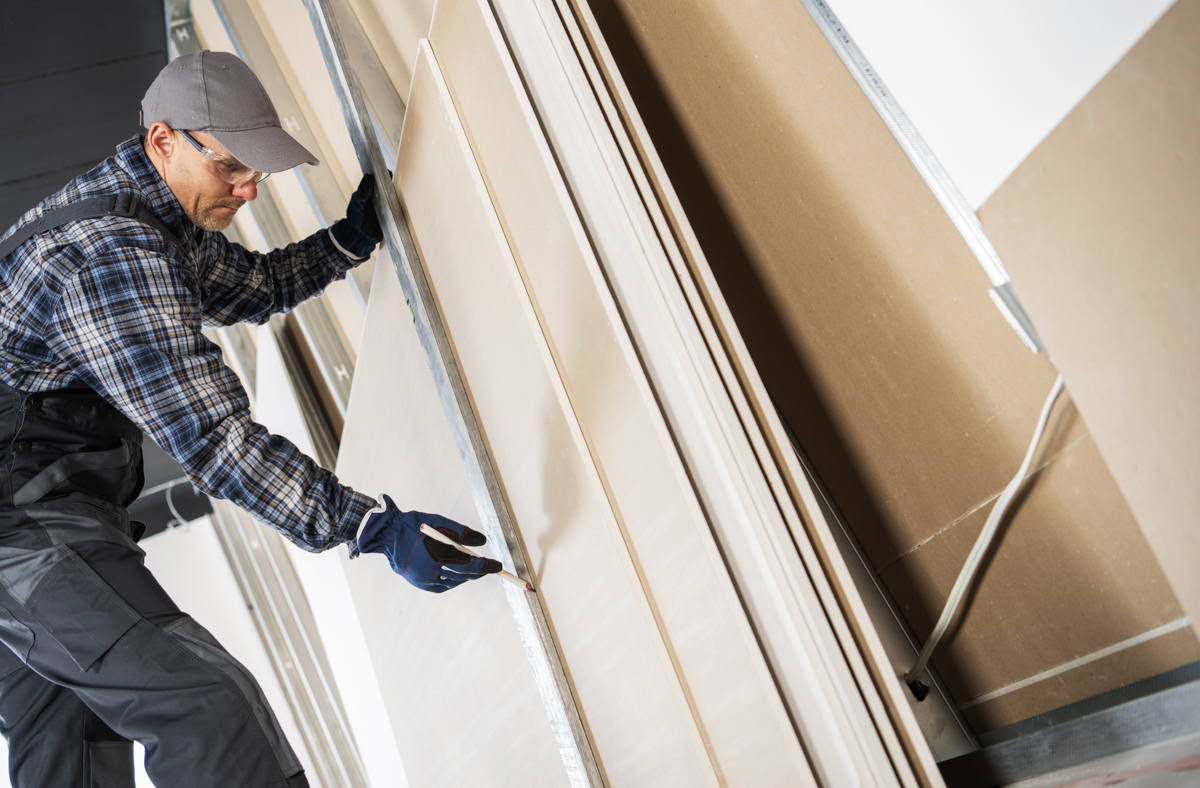
Average Drywall Repair Cost: Why Estimates Vary by Project
The average drywall repair cost can vary because contractors may price work by the repair, by the hour, by square footage, or as part of a larger renovation scope. For a small isolated patch, a minimum service charge often reflects travel, setup, surface protection, materials, and cleanup. For larger repairs, pricing is more closely tied to the amount of drywall removed and replaced, the number of finish coats required, and the complexity of repainting.
Miami homes also present conditions that affect labor. A repair in a single-family home in Pinecrest may offer easy access, while a high-rise condo in Brickell may require elevator scheduling, building approval, parking coordination, and stricter work-hour rules. These details can affect the final drywall repair price even when the visible damage is similar.
Labor is often the largest part of the cost
Drywall sheets, screws, tape, and joint compound are relatively affordable materials. Skilled labor is what makes the repair durable and visually clean. A contractor may need to visit the property more than once because joint compound has to dry between coats. Rushing this process can lead to shrinkage, visible seams, cracking, or uneven texture.
Most quality repairs follow a sequence similar to this:
- Protect floors, furniture, and nearby finishes from dust.
- Inspect the damage and remove loose, wet, or weakened drywall.
- Install backing and a properly fitted drywall patch where needed.
- Tape seams and apply multiple thin coats of joint compound.
- Sand, match the existing texture, prime, and paint the repaired area.
A quick one-coat patch may look acceptable for a few days, but Miami’s humidity and changing indoor temperatures can reveal poor workmanship over time. A professional approach gives the compound enough drying time and creates a flatter, stronger transition between the existing wall and the new patch.
How contractors handle small versus large repairs
For a small nail hole or ding, the cost to repair drywall is often influenced more by minimum labor and finish work than material quantity. For a large opening, the contractor may need to remove a rectangular section of board back to stable framing, add insulation, inspect utility lines, and rebuild the wall surface.
Large drywall repairs are also common after plumbing access, electrical upgrades, impact-window installation, or changes to a kitchen layout. If walls are being opened during a remodel, it is usually more efficient to complete all in-wall work before drywall is closed and finished. This reduces duplicate patching, paint work, and disruption to the household.
Hidden Problems That Can Increase the Cost to Repair Drywall
Visible drywall damage is sometimes only the final sign of a deeper problem. This is especially true with ceiling stains, bubbling paint, soft wall areas, repeated cracks, or dark spots near windows and exterior walls. Before approving a cosmetic repair, homeowners should understand what caused the damage and whether the source has been corrected.
Leaks, condensation, and moisture intrusion
South Florida’s tropical climate creates extra moisture concerns. Air-conditioning condensation lines, roof penetrations, window flashing, shower plumbing, and poorly sealed exterior openings can all allow water into wall cavities. In coastal areas, wind-driven rain during storms can expose weak seals around windows, doors, and roof details.
If drywall feels soft, swells near the baseboard, or shows a spreading stain, replacement may be safer than applying compound over the surface. Wet drywall can lose its strength and may trap moisture behind paint. A contractor should inspect adjacent framing and insulation before closing the wall again.
In some cases, repairing the drywall without fixing the source leads to repeat damage. For example, a stain below a bathroom may require an inspection of supply lines, drain connections, shower waterproofing, or toilet seals. A well-planned repair addresses the building system first, then restores the finished wall or ceiling.
Cracks that may need more than a patch
Not every crack indicates a structural concern, but recurring cracks should not be ignored. Straight cracks along drywall seams often occur when tape has failed or the original installer used too little compound. Diagonal cracks around doors or windows may result from normal movement, framing shifts, or changes in humidity.
Contractors may widen a crack slightly, remove failed material, apply new tape, and feather fresh compound across a broad area. Simply filling the crack without tape often creates a temporary result. In older Coral Gables homes with plaster-like finishes or in Mid-Century Modern properties with long, smooth wall planes, proper reinforcement is particularly important because imperfections are easy to notice.
Electrical and framing considerations
Before cutting into a damaged wall, the repair team should consider what may be behind it. Electrical cables, plumbing pipes, low-voltage wiring, HVAC ducts, and structural framing can all affect the repair plan. Holes made for investigating a leak or updating wiring may need a larger patch than expected if the opening must reach framing members for a secure repair.
For renovation projects involving new outlets, lighting, or relocated switches, coordinating with qualified electrical renovation services before drywall installation helps avoid unnecessary rework. This is particularly useful in kitchens, home offices, media rooms, and condos where wall space is limited.
Ways to Control Drywall Hole Repair Cost Without Sacrificing Quality
Homeowners can often manage drywall hole repair cost by preparing the space, grouping related work, and making decisions before the contractor arrives. The goal is not to cut corners on materials or drying time. Instead, it is to avoid repeated mobilization and prevent small problems from becoming major wall replacements.
Prepare the room before the repair crew arrives
Clear pictures, shelves, and fragile décor from the work area if possible. Move furniture away from the wall and provide access to the affected room, electrical panel, or water shutoff if the issue involves a leak. Contractors can protect the space more efficiently when they do not need to work around crowded surfaces.
For occupied homes, ask how dust will be contained. Drywall sanding creates fine dust that can settle on flooring, cabinetry, and electronics. Professional crews may use plastic barriers, floor protection, sanding tools with vacuum attachments, and careful cleanup practices. This matters in design-focused homes with custom millwork, polished stone, or high-end furnishings.
Combine repairs and painting where practical
If several rooms need patches, consider completing them during one scheduled project. Combining repairs may reduce separate service visits and allow the contractor to match paint and texture more consistently. It can also be the right time to update scuffed walls before listing a property or welcoming new tenants.
A full repaint is not always necessary, but painting an entire wall from corner to corner often provides the best color consistency. This is especially true if the existing finish has faded from sunlight or if the original paint color is unavailable. In Miami Beach and Coconut Grove homes with abundant natural light, even a close paint match can look different beside an older painted surface.
Know when a DIY patch is not the best choice
A homeowner may be able to fill a tiny picture hole with lightweight spackle. However, larger holes, ceiling damage, water stains, textured surfaces, and cracks that return after repair are better handled by an experienced professional. DIY patches can become more expensive when uneven compound, poor tape adhesion, or mismatched texture must later be removed and redone.
For a clean result, ask the contractor whether the estimate includes primer, paint, texture blending, debris removal, and protection of nearby finishes. These details help homeowners compare proposals based on the true scope of work rather than selecting a lower quote that excludes necessary finishing steps.
Choose a Durable Drywall Repair for Your Miami Property
Understanding how much drywall repair costs starts with recognizing that a lasting repair is more than filling a hole. The right solution considers the type of damage, moisture conditions, access, finish level, paint matching, and the systems behind the wall. Small repairs may be simple, while water damage, ceiling issues, and recurring cracks need a more careful inspection.
For Miami homeowners, investors, and commercial property owners, quality drywall work protects both appearance and long-term property value. Whether your home features Art Deco details, contemporary tropical finishes, or Mediterranean Revival character, the repaired surface should blend naturally with the room and hold up to South Florida living.
If you need a dependable assessment of drywall damage or a coordinated repair as part of a larger remodel, contact Newrome for a consultation. Our licensed and insured team provides thoughtful planning, skilled craftsmanship, and durable finishing solutions for projects throughout Miami and Miami-Dade County.
Frequently Asked Questions
How much does drywall repair cost in Miami?
Drywall repair cost in Miami depends on the type, size, and cause of the damage. Small dents or nail holes generally need filling, sanding, primer, and touch-up paint, while larger holes require backing, a drywall patch, tape, and several coats of compound. Ceiling height, access, texture matching, water damage, and painting can also affect the final drywall repair price. Newrome provides site-specific evaluations for an accurate scope.
Why is water-damaged drywall repair more expensive than fixing a small hole?
Water-damaged drywall requires more than a cosmetic patch. Before new drywall is installed, the moisture source should be found and corrected, whether it comes from a roof leak, plumbing issue, window leak, shower waterproofing failure, or AC condensation line. The repair may also involve removing wet insulation or assessing mold concerns. In humid South Florida conditions, addressing concealed moisture helps prevent the damage from returning.
What is included in a professional drywall hole repair?
A professional drywall hole repair typically includes protecting the work area, removing loose material, installing backing when needed, placing a drywall patch, taping seams, and applying multiple coats of joint compound. After drying and sanding, the surface is primed, texture is matched if necessary, and paint is blended. This complete process helps avoid visible patch outlines and leaves a durable, paint-ready wall.
How long does drywall repair take, including sanding and painting?
The timeline depends on the repair size and finish requirements. Small holes may require less work, but larger patches often need multiple coats of compound with drying time between applications. Sanding, primer, texture matching, and paint blending add additional steps. Ceiling repairs and level-five smooth finishes may also take longer because imperfections show easily under Miami’s strong natural light and recessed lighting.
Can you match popcorn, orange-peel, knockdown, or smooth drywall textures?
Yes, texture matching is an important part of a quality drywall repair. Orange-peel, knockdown, popcorn, plaster-style finishes, and smooth contemporary walls each require a different approach. Smooth walls can be especially demanding because sanding marks and patch edges may show under direct light. Newrome carefully feathers compound and matches the existing finish so the repair fits the character of your Miami home, condo, or commercial space.
Do I need permits for drywall repair in Miami-Dade?
Minor cosmetic drywall repairs may not require permits, but larger work can involve permitting when it follows plumbing, electrical, utility relocation, an addition, or a major kitchen or bathroom renovation. These projects may need to meet Florida Building Code and local Miami-Dade inspection requirements. Drywall should be installed after rough systems and required inspections are complete. Newrome can coordinate drywall work within a broader, properly planned renovation scope.