Removing a sliding glass door safely takes more than lifting a panel off its track. This practical guide explains how to remove sliding glass door panels without damaging the frame, flooring, or glass, with Miami-specific advice for heavy impact-rated doors, humidity, condo rules, and replacement planning.
How to Remove Sliding Glass Door Panels Safely
Knowing how to remove sliding glass door panels can help you prepare for a new patio door, repair damaged rollers, replace flooring, or open up a larger renovation project. Most standard sliding doors have one movable panel and one fixed panel. The movable panel usually comes out first, but it can be surprisingly heavy and awkward to handle.
For Miami homes, sliding glass door removal may involve impact-rated glass, corrosion-resistant aluminum frames, and hardware affected by humidity or salt air. A standard glass panel may be manageable with two adults, while an impact-rated panel can require three people or professional handling equipment. Never try to remove a large panel alone.
If your project includes a complete door replacement, review Newrome’s doors and windows services before choosing a new unit. A properly sized, impact-rated sliding door can improve storm protection, energy performance, and indoor-outdoor living space.
Tools and Safety Gear to Gather
Before removing sliding glass door components, clear the work area inside and outside the home. Move furniture, rugs, planters, and patio items away from the opening. Protect nearby porcelain tile, wood flooring, or stone with moving blankets and a sheet of plywood where the door panel will rest.
Have these items ready before you begin:
- Work gloves and safety glasses
- Phillips and flat-head screwdrivers
- Drill or impact driver with appropriate bits
- Utility knife for paint or caulk lines
- Putty knife or small pry bar
- Wood shims and moving blankets
- Two or more helpers for lifting the glass panel
Wear closed-toe shoes and avoid placing the panel directly on concrete, pavers, or tile. Even tempered safety glass can shatter if its edge hits a hard surface. If the glass is cracked, taped, or visibly loose in the frame, stop and call an experienced contractor rather than attempting a DIY removal.
Identify the Door Type Before You Start
Look closely at the top and bottom tracks. Most patio sliders use adjustable rollers at the bottom of the moving panel. Small adjustment screws are usually located near the lower corners of the door frame. Turning these screws raises or lowers the rollers, creating enough clearance to lift the panel out.
| Door Type | Typical Removal Concern | Best Approach |
|---|---|---|
| Standard aluminum slider | Worn rollers and dirty tracks | Lower rollers, lift panel, tilt inward |
| Impact-rated slider | Heavy laminated glass | Use extra helpers or professional removal |
| Multi-panel or pocketing door | Complex interlocking panels | Follow manufacturer instructions or hire a pro |
| Older wood-framed slider | Paint, swelling, or water damage | Cut paint lines and inspect frame carefully |
Older homes in Coral Gables, Coconut Grove, and Pinecrest may have doors that were painted shut, altered over time, or installed before current impact standards. Use a utility knife to carefully score paint or caulk at the jamb rather than forcing the panel.
Step-by-Step: How to Take Out Sliding Glass Door Panels
The safest answer to how to remove a sliding glass door is to begin with the moving panel, then remove the fixed panel only if your repair or replacement requires it. Keep one person on each side of the glass whenever possible.
Remove the Screen Door and Track Stops
Start by opening the sliding panel completely. If there is a screen door, locate its roller adjustment screws along the bottom edge. Back them out enough to lower the screen, then lift the screen into the upper track and pull its bottom edge toward you. Set it aside on a protected surface.
Next, inspect the top track for an anti-lift block, head stop, or small metal bracket. This piece prevents the panel from being lifted out during normal use. Remove its screws and label the hardware in a small bag. Some doors also have a fixed security bar or pin near the jamb that must be released first.
Lower the Rollers and Lift Out the Moving Panel
Locate the roller adjustment screws near the bottom corners of the sliding panel. Turn each screw gradually to retract the rollers upward into the frame. The exact direction varies by manufacturer, so make small adjustments while checking whether the panel drops slightly.
- Open the door about halfway so both helpers can grip the vertical frame securely.
- Lift the panel straight up into the top track.
- Pull the bottom edge toward the interior of the home.
- Lower the panel slowly onto padded blocks or moving blankets.
- Keep the panel upright, not flat, to reduce pressure on the glass and frame.
If the panel will not lift high enough, the rollers may not be fully retracted, or a top stop may still be in place. Do not pry aggressively against the frame; bending an aluminum track can make the replacement door difficult to install and may create water intrusion issues during Miami’s heavy rain season.
Removing the Fixed Panel and Protecting the Opening
For a simple roller repair, you may only need to remove the sliding panel. Full sliding glass door removal usually requires taking out the fixed panel and frame, especially when installing a new impact-rated unit or changing the opening size.
Check How the Fixed Panel Is Secured
The fixed panel may be held in place by interior trim, screws hidden beneath snap-in covers, glazing stops, or a vertical interlock piece called a mullion. Remove trim carefully with a putty knife and pry bar, working slowly to avoid damaging drywall or adjacent finishes.
Once fasteners are visible, remove them while a helper supports the panel. Some fixed panels slide toward the center after the vertical interlock is removed; others must be lifted out similarly to the active panel. This stage is often where homeowners discover corroded fasteners, deteriorated wood blocking, or damaged sill flashing.
For doors facing the coast or exposed to wind-driven rain, replacement work should include careful waterproofing. Explore Newrome’s hurricane protection solutions when planning a stronger exterior opening for a South Florida home.
Know When Permits and Professional Help Are Needed
Removing a panel for cleaning or roller repair typically does not require a permit. However, replacing the entire frame, enlarging the opening, changing structural headers, or installing a new exterior door commonly requires permits and inspections in Miami-Dade County. Condominium associations may also require approval, contractor insurance documents, and scheduled work hours before exterior door work begins.
Miami’s contemporary tropical homes, Mid-Century Modern properties, and Mediterranean Revival residences all benefit from doors selected for their specific exposure and design. If your project includes new flooring, drywall repair, exterior stucco work, or a wider opening, a coordinated full home renovation plan helps ensure the door, finishes, and waterproofing details work together.
After the moving and fixed panels are out, inspect the sill, side jambs, and header for rot, rust, cracked sealant, or loose fasteners before removing the outer frame.
How to Remove Sliding Glass Door Frames
Once the panels are safely out, you can complete the process of how to remove sliding glass door framing. Frame removal is more involved than panel removal because the sill, jambs, and head are usually sealed with screws, shims, caulk, and exterior flashing. Work slowly to avoid damaging the surrounding stucco, drywall, tile, or flooring.
Cut Sealant and Remove Frame Fasteners
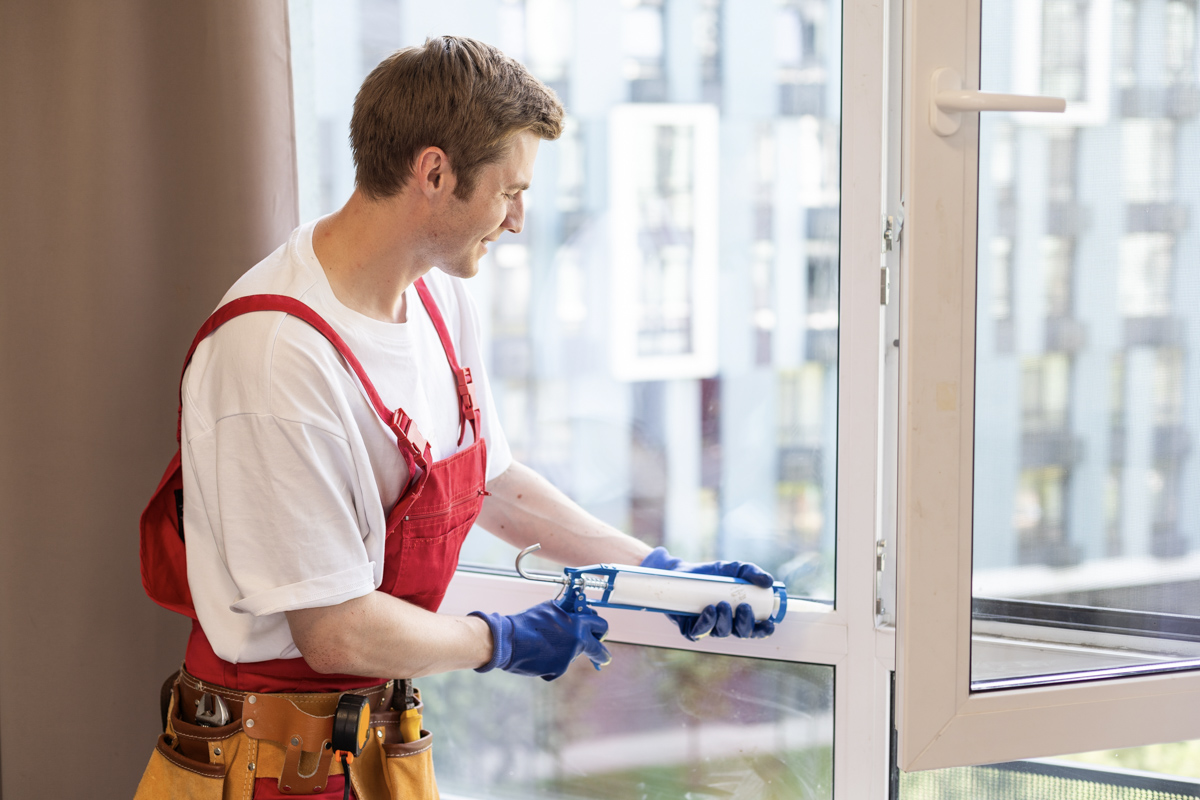
Start inside the home. Run a utility knife along the perimeter of the frame where it meets the wall, trim, and flooring. This cuts through paint, caulk, and construction adhesive that may hold the frame in place. Repeat this step from the exterior, especially around the sill and side jambs.
Look for installation screws along the interior jambs and header. Some screws may be hidden behind snap covers, trim pieces, or weatherstripping. Remove every visible fastener before attempting to move the frame. In older South Florida properties, screws can be heavily corroded from humidity and salt exposure. If a screw will not back out, use a screw extractor or carefully drill off its head rather than forcing the aluminum frame.
Loosen the Frame Without Damaging the Opening
After the fasteners are out, insert a putty knife between the frame and wall to create a small gap. Then use a pry bar gently against a wood block, not directly against drywall, tile, or stucco. Work a little at a time along both side jambs, followed by the top and sill.
A typical sequence for sliding glass door removal is to loosen the frame in this order:
- Separate interior and exterior caulk lines around the entire frame.
- Free the side jambs by working from top to bottom.
- Loosen the header without pulling on the surrounding wall finish.
- Lift or pull the sill section free after the sides are released.
- Carry the frame away with helpers and keep the opening protected.
Do not cut into the wall framing, concrete block, or structural header unless approved plans call for an opening change. A larger opening may require engineered details, Miami-Dade permits, and a new header designed for the home’s roof and wind loads. This is particularly relevant for contemporary tropical homes with wide glass walls and older Mediterranean Revival residences with masonry openings.
Prepare the Opening for a New Patio Door
Inspect the Sill, Flashing, and Surrounding Materials
With the old unit removed, inspect the rough opening before installing anything new. Check for rusted metal, soft wood, cracked masonry, deteriorated sealant, loose stucco, or signs of water intrusion below the sill. In Miami’s rainy, humid climate, even a small flashing failure can allow moisture behind finishes and cause long-term damage.
Measure the width, height, and depth of the opening in several places. Openings are not always perfectly square, especially in older homes or condos. A replacement door needs proper shimming, sill pan flashing, compatible sealants, and manufacturer-required anchoring. These details matter as much as the glass itself for hurricane performance and water management.
If removal damages wallboard or reveals moisture staining, schedule professional drywall repair services before installing new interior trim. Addressing hidden damage now creates a cleaner finish and helps protect the investment in a new door system.
Choose a Door Built for South Florida Conditions
For most Miami-Dade homes, an impact-rated sliding glass door is the practical choice for storm exposure, security, and code compliance. Laminated impact glass stays held together by an interlayer if broken, while reinforced frames and approved anchors help the assembly resist wind pressure. Review product approvals and installation requirements before ordering, particularly for coastal homes in Miami Beach, Coconut Grove, Coral Gables, and other salt-air environments.
Homeowners planning a design-focused upgrade may choose slim aluminum frames for a modern look, while others may prefer wider profiles that complement Mid-Century Modern or Mediterranean architecture. The best option should fit the opening, local code requirements, exterior exposure, and the way the room connects to a patio, pool deck, or balcony.
Dispose of the Old Door Safely
Do not place large glass panels loosely at the curb. Glass, aluminum, hardware, and frame components should be handled according to local disposal rules or removed by a renovation contractor. Keep children, pets, and workers away from the discarded unit until it is secured or hauled away.
Get Professional Help for Complex Door Replacement
Knowing how to take out sliding glass door panels is useful for minor repairs and renovation planning, but full frame replacement demands precise installation. Incorrect flashing, inadequate anchors, or poorly sealed joints can lead to leaks, difficult operation, and failed inspections.
For a new patio opening, impact-rated door installation, or a larger indoor-outdoor remodel, contact Newrome for a consultation. Newrome provides licensed, insured craftsmanship for Miami renovation projects, helping homeowners protect their properties while creating durable, functional, and beautifully finished spaces.