Florida’s recertification rules can affect condo budgets, renovation plans, and even resale timing. If you own in Miami or Miami-Dade, understanding the 40 year recertification process in 2026 helps you avoid delays, prepare for repair costs, and make smarter decisions about structural, electrical, and building upgrades before problems become expensive.
40 year recertification miami: why condo owners are paying closer attention in 2026
If you own a condo in South Florida, the 40 year recertification miami process is not just a paperwork issue. It can directly affect safety, financing, insurance, special assessments, and the timing of renovation work inside and outside the building. In 2026, many condo owners across Miami, Miami Beach, Aventura, Brickell, and Coral Gables are asking the same questions: What triggers recertification, who pays for repairs, and how can owners prepare before the inspection report leads to major building work?
Florida’s recertification requirements are meant to confirm that older buildings remain structurally and electrically safe. In practical terms, that means licensed professionals inspect the building, identify deficiencies, and recommend repairs if needed. For condo owners, the results can influence everything from reserve planning to unit upgrades that depend on building systems. If your property may need related repair work, it helps to request a free consultation early so you can coordinate improvements with the association’s schedule.
What the recertification process is meant to do
The goal of a 40 year recertification florida review is simple: verify that an aging building still meets basic life-safety expectations. Local rules may vary by jurisdiction, and some buildings may now face earlier milestone inspections depending on state and county requirements. Still, many owners continue to search for the traditional 40 year condo recertification timeline because that term remains common in Miami-Dade conversations.
These inspections usually focus on two big categories:
- Structural condition, including concrete deterioration, balconies, waterproofing issues, cracks, corrosion, and signs of settlement
- Electrical condition, including panels, wiring, grounding, service equipment, and code-related safety concerns
In coastal communities like Miami Beach and along Biscayne Bay, salt air, humidity, wind exposure, and water intrusion can speed up wear. Buildings with deferred maintenance often face larger repair scopes once engineers begin their review. That is one reason many associations pair required repairs with broader improvement work such as exterior renovation services or targeted system upgrades.
What happens during a 40 year inspection miami condo owners should expect
A typical 40 year inspection miami process starts with the association, not the individual unit owner. The condo board or property manager usually hires a licensed engineer or architect to inspect common areas and building systems. If signs of damage appear, the inspector may recommend more invasive testing, specialty reports, or immediate repairs.
Common areas and systems that get reviewed
Although each building is different, inspectors often look closely at the parts of the property most exposed to weather, age, and heavy use. In Miami-Dade, that can include roof assemblies, parking garages, balconies, pool decks, walkways, electrical rooms, and structural framing. If a building has older piping, water intrusion, or repeated leaks, plumbing-related deterioration may also become part of the repair conversation. Owners planning unit work should understand how building-wide issues can affect interior finishes and schedules, especially where plumbing upgrades or wall access may be required.
Why unit owners should not ignore common-area findings
Many condo owners assume recertification only affects the association’s budget. In reality, building findings can impact private renovation plans too. For example, if the association must open walls, replace risers, repair concrete, or update electrical infrastructure, it may be smarter to postpone cosmetic work until those projects are complete. That is especially true for owners considering a larger full home renovation in an older condo tower.
It also matters for buyers and investors. A building with unresolved recertification issues may face financing hurdles, insurance complications, or reduced buyer confidence. Reviewing inspection reports, reserve studies, and planned repair scopes is part of basic due diligence in South Florida.
Typical stages in the process
While every municipality handles filings a little differently, the overall flow is usually similar. Here is a simple way to think about it:
- The association receives notice or confirms the building is due for review.
- A licensed architect or engineer performs the initial inspection.
- If problems are found, the professional outlines required repairs or further testing.
- The association completes the work and submits documentation to the local authority.
- Follow-up inspections may be required before the building is cleared.
For owners in neighborhoods with older building stock, including Miami Beach and parts of Brickell, timing matters. Contractors, engineers, permit reviewers, and specialty trades can all affect how quickly repairs move forward. If your unit improvements depend on electrical capacity, damaged walls, or moisture remediation, it helps to coordinate with experienced electrical renovation professionals before finalizing your scope.
miami 40 year recertification cost: what drives the final number
The phrase miami 40 year recertification cost can mean different things depending on who is asking. For an association, cost may include inspections, engineering reports, permits, testing, repairs, and contractor labor. For an individual owner, the real concern is usually how much of that turns into a special assessment and whether additional in-unit work will be needed afterward.
There is no single flat price because building conditions vary widely. A well-maintained mid-century condo in Coral Gables may need limited corrective work, while a waterfront property in Miami Beach with concrete spalling, rusted reinforcing steel, or outdated electrical gear may face a much larger project.
Several factors tend to shape the final budget:
| Cost Factor | Why It Matters | Possible Impact |
|---|---|---|
| Building age and exposure | Salt air, humidity, and wind can speed up deterioration | More concrete, waterproofing, or corrosion repairs |
| Inspection findings | Minor wear is very different from structural distress | Small maintenance scope or major restoration project |
| Electrical system condition | Older panels and unsafe wiring may require replacement | Higher labor, permit, and material costs |
| Access and occupancy | Occupied buildings are harder to repair efficiently | Longer schedules and more coordination |
Owners should also remember that recertification-related repairs often uncover hidden issues. Water intrusion behind stucco, damaged drywall from leaks, outdated branch wiring, and failing windows are common examples in older South Florida buildings. In some cases, associations use the moment to combine required repairs with resilience upgrades such as hurricane protection improvements that better fit Miami-Dade wind and impact standards.
How recertification affects remodeling plans inside your condo
If you are planning a kitchen, bathroom, or whole-unit remodel, recertification can change your timeline. A building that is preparing for a florida 40 year building recertification review may temporarily restrict contractor access, shut down certain systems, or delay approvals for owner renovations. That does not mean you should stop planning. It means you should sequence the work correctly.
For example, if the building may replace risers or open wet walls, it often makes sense to wait before installing new tile, cabinetry, or custom finishes. If the association is updating electrical infrastructure, your own panel or branch-circuit improvements may be easier to complete at the same time. Owners who want to protect long-term value should review building notices carefully, ask for engineering summaries, and compare them against their own remodeling goals.
That is especially relevant in Miami’s condo market, where design expectations are high and many buyers want updated interiors with durable materials that handle humidity well. Porcelain tile, moisture-resistant drywall in wet areas, impact-rated windows, and quality waterproofing details are not luxury extras here. They are practical choices for a tropical climate.
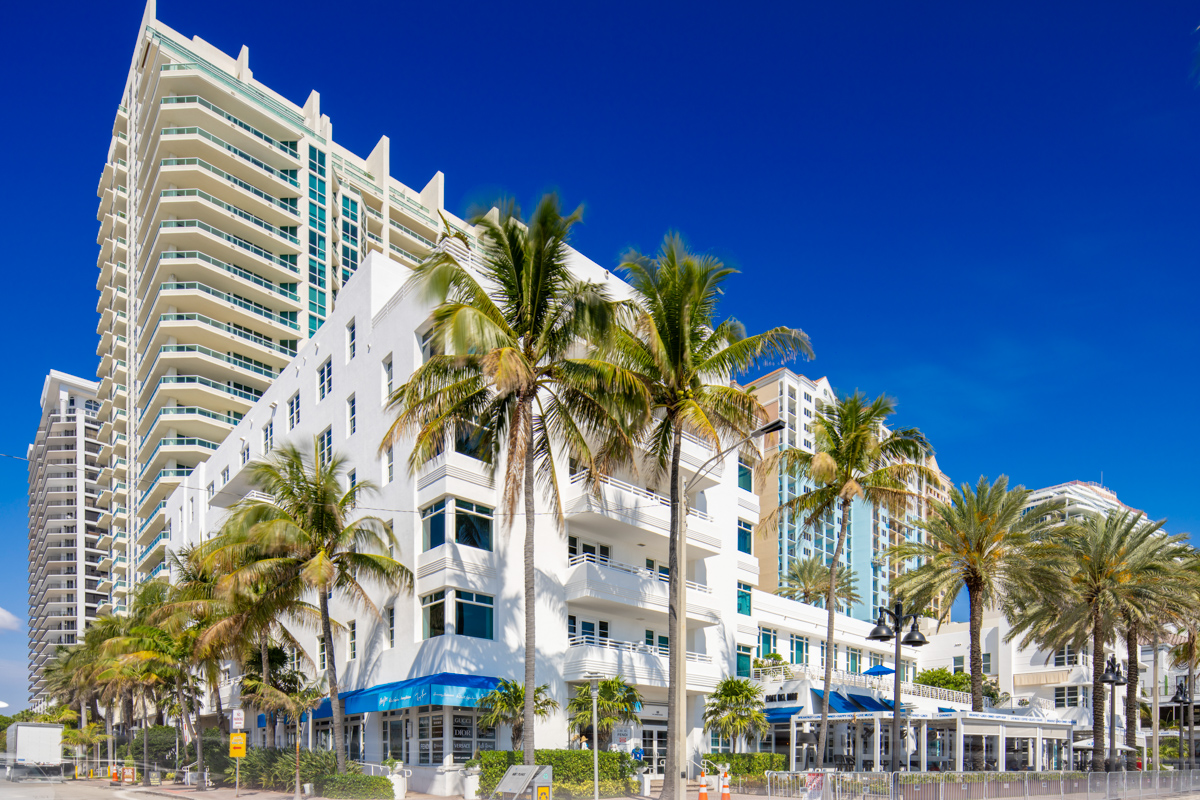
How owners can prepare before florida 40 year building recertification work begins
If your association is approaching a florida 40 year building recertification deadline, early preparation can save time, reduce disruption, and help you make better renovation choices inside your unit. For many owners, the smartest move is to treat recertification as both a safety requirement and a planning tool. If the building may need waterproofing, concrete restoration, electrical corrections, or plumbing access, your own remodel schedule should reflect that reality.
Start by reviewing association notices, board meeting minutes, and any engineer reports that are available to owners. These documents often reveal whether the building is dealing with balcony repairs, garage deterioration, outdated electrical equipment, or recurring leaks. In older Miami and Miami Beach condo buildings, those issues can affect walls, ceilings, flooring, and wet areas inside private units.
A practical checklist for condo owners
Before starting any interior work, owners should confirm how the building’s recertification schedule may affect access, approvals, and material choices. A simple checklist helps:
- Ask the association whether structural or electrical repairs are planned in the next 6 to 18 months
- Find out if riser replacement, waterproofing, or facade work could affect your unit
- Check whether contractor hours, elevator use, or renovation approvals are temporarily restricted
- Review whether your unit has older plumbing, outdated panels, or moisture damage that should be addressed during the same project
- Choose durable materials suited to South Florida humidity, salt air, and heavy AC use
This is where experienced planning matters. If walls may be opened later for building repairs, replacing finishes too early can lead to wasted money. Owners considering tile replacement, leak-related wall repairs, or moisture-resistant finishes can explore drywall repair and replacement services that make sense after recertification-related work is complete.
Materials and upgrades that make sense in older Miami condos
Not every unit needs a full remodel after a 40 year condo recertification review, but many owners use the process as a chance to update aging interiors. In South Florida, durability should guide design decisions. Porcelain tile generally performs better than materials that are more sensitive to moisture. Moisture-resistant drywall is often the safer choice in bathrooms, laundry areas, and locations with a history of leaks. If windows and exterior doors are older, impact-rated replacements can improve resilience, comfort, and long-term value.
Owners planning finish upgrades after building repairs may also benefit from coordinated improvements such as doors and windows installation or fresh interior painting services once dust-producing work is finished. In design-focused neighborhoods like Brickell, Coral Gables, and Coconut Grove, clean execution matters just as much as the material itself.
40 year recertification florida and the impact on buying, selling, and financing
The 40 year recertification florida process also matters if you plan to sell, refinance, or buy another condo in 2026. Lenders, insurers, and buyers often look closely at building condition, pending repairs, and special assessments. A unit may look fully updated inside, but unresolved building issues can still affect the transaction.
Why buyers and investors review building documents carefully
In Miami-Dade, a condo’s value is tied to more than finishes and views. Buyers want to know whether the building has active repair obligations, reserve pressure, or open safety concerns. Investors especially pay attention to buildings that may need large-scale concrete restoration, electrical modernization, or waterproofing work soon after closing.
For that reason, owners preparing to sell should organize documents early. Helpful items include recent board notices, engineering summaries, special assessment information, and records of any unit improvements that relate to leaks, electrical work, or code corrections. If your condo has already been updated with resilient finishes, that can support buyer confidence, especially when the work aligns with the building’s broader needs.
Questions owners should ask before listing or renovating
If your condo is in a building facing a 40 year inspection miami review, ask these questions before spending heavily on cosmetic upgrades:
- Will upcoming building repairs open walls, ceilings, balconies, or wet areas near my unit?
- Is the association planning electrical or plumbing work that could affect my renovation scope?
- Are there pending assessments that buyers will ask about during due diligence?
- Would it be better to complete only targeted updates now and wait on major finishes?
These answers can help you decide whether to move ahead with a limited refresh or a larger remodel. In some cases, strategic improvements still make sense before a sale, especially if they address visible wear, dated fixtures, or damage from moisture. Owners comparing timing and scope can also view completed projects to understand how thoughtful renovation planning supports value in older South Florida properties.
How to approach miami 40 year recertification cost without losing control of your budget
For many owners, the hardest part of the process is not the inspection itself. It is budgeting for what may come next. Miami 40 year recertification cost concerns usually fall into two categories: building-wide obligations charged through the association, and private in-unit work that becomes necessary because of leaks, access, or system upgrades.
Separate required work from optional upgrades
A good way to stay organized is to divide expenses into essential and elective categories. Required work may include repairing damaged drywall after riser replacement, updating an unsafe electrical panel, replacing corroded fixtures, or restoring finishes after common-area access. Optional work may include redesigning a bathroom, changing flooring throughout the unit, or upgrading cabinetry once the disruptive work is done.
The comparison below helps clarify the difference:
| Type of Work | Typical Reason | Planning Approach |
|---|---|---|
| Required repair | Leak damage, code issue, or access after building work | Prioritize safety, permits, and durable replacement materials |
| Coordinated upgrade | Do the remodel while walls or systems are already open | Bundle labor where possible to reduce repeat disruption |
| Cosmetic improvement | Refresh finishes for comfort or resale appeal | Schedule after building repairs are fully complete |
This approach is especially useful in older condos in Aventura, Miami Beach, and Brickell, where one building issue can trigger several smaller repairs inside the unit. A leak behind a wall may lead to insulation replacement, drywall repair, repainting, and trim work. If your kitchen or bath is already dated, combining those repairs with a planned remodel may be more efficient than patching now and renovating again later.
Work with contractors who understand condo coordination
Recertification-related projects move more smoothly when your contractor understands condo rules, permitting, inspection scheduling, and building access limitations. Miami-area associations often require detailed scopes of work, certificates of insurance, deposit procedures, and strict work-hour windows. A contractor used to single-family homes may underestimate those requirements.
That is why many owners prefer to coordinate with a team experienced in Miami renovation services and older South Florida buildings. If your unit may need repairs or a carefully timed remodel after 40 year recertification miami findings, planning with licensed and insured professionals can help you avoid rework, protect finishes, and keep the project aligned with association rules.
Moving forward after a 40 year condo recertification review
A 40 year condo recertification review can feel overwhelming, but it also gives owners a clearer picture of what their building needs to stay safe, functional, and marketable. The key is to avoid treating it as a separate issue from your renovation plans. In Miami, building systems, climate exposure, insurance pressure, and resale value are all connected.
If your association is preparing for 40 year recertification florida requirements, or if your unit already needs repairs tied to leaks, electrical updates, or aging finishes, the best next step is a coordinated plan. Newrome helps Miami-area owners approach repairs and remodeling with practical sequencing, durable materials, and quality craftsmanship that fits condo rules and South Florida conditions. To discuss your unit, timeline, or post-inspection renovation needs, request a consultation with the Newrome team.