Vinyl plank flooring has become a go-to choice for Miami homes because it handles humidity, busy households, and modern design better than many traditional materials. If you are comparing brands, costs, and performance for a remodel, this guide will help you choose a floor that looks sharp, lasts longer, and fits the way South Florida homes are actually used.
Why Vinyl Plank Flooring Is So Popular in Miami Homes
Vinyl plank flooring is one of the most practical choices for South Florida homeowners who want the look of hardwood without the maintenance concerns that come with heat, moisture, and everyday wear. In Miami, where indoor-outdoor living is part of daily life, floors need to stand up to wet shoes, sand, pets, air-conditioning swings, and high humidity. That is why many homeowners now choose luxury vinyl plank flooring for condos in Brickell, family homes in Pinecrest, and renovation projects in Coral Gables.
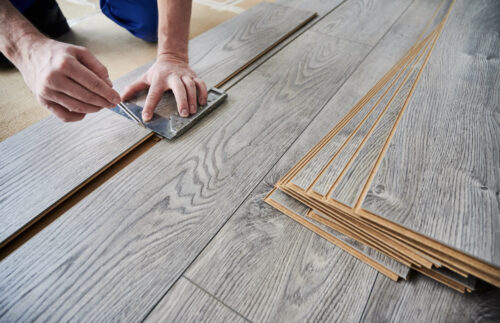
Unlike traditional solid wood, vinyl plank flooring is built in layers. Most products include a wear layer, a printed design layer, a core, and a backing. That layered construction is what gives it water resistance, durability, and a softer feel underfoot than tile. For homeowners planning a larger remodel, it also pairs well with updated finishes found in full home renovation options, especially when you want one continuous flooring material across living areas, bedrooms, and even kitchens.
What makes it a strong fit for South Florida?
Miami homes face a few flooring challenges that are different from colder or drier parts of the country. Moisture control matters more here, and so does easy cleaning. Many newer products are marketed as waterproof vinyl plank flooring, which makes them especially useful in homes with children, pets, rental turnover, or frequent guests.
It also fits the local design culture. Whether your home leans contemporary tropical, Mid-Century Modern, Mediterranean Revival, or clean coastal style, vinyl planks come in finishes that mimic white oak, walnut, driftwood, and warm natural tones without the movement issues of real hardwood in humid conditions.
Common places homeowners install it
Vinyl plank is versatile enough for most interior spaces. It is especially popular in:
- Kitchens, where spills and heavy foot traffic are common
- Bathrooms and powder rooms, where water resistance is a major benefit
- Living rooms and open floor plans that need a seamless look
- Rental properties and investment units that need durability with lower upkeep
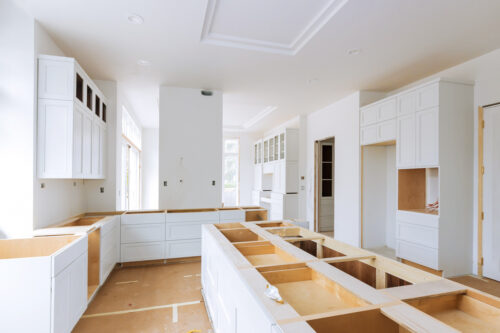
If you are already planning a kitchen update, it makes sense to coordinate flooring with cabinetry, wall color, and lighting. Many homeowners start by exploring kitchen remodeling services so the floor works with the entire design instead of feeling like an afterthought. The same goes for moisture-prone spaces, where bathroom remodeling and flooring decisions should be planned together.
Luxury Vinyl Plank Flooring vs. Standard Vinyl: What Is the Difference?
Not all vinyl products are built the same. One of the biggest points of confusion for buyers is the difference between standard vinyl flooring and luxury vinyl plank flooring. The short answer is simple: luxury vinyl plank flooring usually looks more realistic, feels more substantial, and performs better over time.
How luxury vinyl plank flooring is different
Luxury vinyl plank flooring, often called LVP, is made to replicate hardwood planks more convincingly than older sheet vinyl or basic glue-down products. It usually has:
A thicker overall construction, a stronger wear layer, better surface texture, and more stable locking systems. Many premium products also include attached underlayment for sound control, which is useful in condos and townhomes throughout Miami-Dade.
If you are comparing materials during a remodel, here is a simple side-by-side view:
| Type | Best For | Main Trade-Off |
|---|---|---|
| Standard vinyl plank | Budget-conscious updates | Less realistic look and lower durability |
| Luxury vinyl plank flooring | Main living areas and long-term use | Higher upfront material cost |
| Rigid core vinyl plank flooring | Uneven subfloors and busy households | Can feel firmer underfoot |
What is rigid core vinyl plank flooring?
Rigid core vinyl plank flooring is a newer category that includes SPC and WPC cores. SPC stands for stone plastic composite, while WPC stands for wood plastic composite. Both are designed to improve stability, especially in areas where temperature and moisture can cause problems for other flooring materials.
For many Miami homeowners, rigid core vinyl plank flooring is the sweet spot. It offers better dent resistance than softer products and can help hide small subfloor imperfections. That matters in older homes, condos, and renovation projects where the existing slab may not be perfectly level. If you want a professional assessment of subfloor condition, transitions, and room-to-room flow, reviewing dedicated flooring services is a smart first step.
Vinyl Plank Flooring Pros and Cons Homeowners Should Know
Before choosing a product, it helps to look at vinyl plank flooring pros and cons in real-world terms. This is not just about appearance. It is about how the floor will perform in your specific home, with your budget, and with South Florida conditions in mind.
The biggest advantages
Vinyl plank flooring appeals to both first-time renovators and experienced property owners because it solves several common problems at once. It is easier to maintain than hardwood, warmer underfoot than tile, and usually faster to install than many other finish materials.
Its biggest strengths include moisture resistance, easier replacement of damaged planks, and a wide range of style options. Waterproof vinyl plank flooring is especially valuable in homes near the beach, where tracked-in moisture and sand are part of everyday life. It is also a practical option in homes with open layouts, where continuity matters as much as performance.
The limitations to consider
Even strong products have trade-offs. Some lower-cost vinyl planks can sound hollow or feel less solid than tile or engineered wood. Sharp furniture legs and heavy appliances can still cause dents if the wear layer is too thin. And while waterproof vinyl plank flooring resists water from above, that does not mean it solves moisture problems coming up from the slab below.
That last point matters in South Florida. If a home has moisture intrusion, flood concerns, or slab issues, the flooring choice should be part of a larger renovation strategy. In some cases, surface prep, baseboard replacement, painting, or door trimming may also be needed to get a clean final result. Homeowners often review completed projects to see how these finish details come together in real remodels.
Quick buying tips before you choose a product
Before you commit to one of the many vinyl plank flooring brands on the market, keep these practical checks in mind:
- Check the wear layer thickness, especially for homes with pets, kids, or rentals.
- Ask whether the product is truly waterproof or only water-resistant.
- Confirm the locking system and whether it is suitable for your subfloor.
- Look at plank length, width, and texture in natural daylight, not just showroom lighting.
- Review warranty terms carefully, including moisture and installation requirements.
For Miami homeowners, style should never be the only deciding factor. A floor that looks great in a sample can still underperform if the product is wrong for the room, the slab, or the level of foot traffic. Working with a licensed, insured renovation team helps you evaluate not just color and brand, but also prep work, transitions, and long-term durability. If you are planning a home update in Miami-Dade, Coral Gables, or Brickell, you can also request a free consultation to compare flooring options with the broader goals of your remodel.
Best Vinyl Plank Flooring Brands to Compare in 2026
Once you narrow down the type of floor you want, the next step is comparing vinyl plank flooring brands. The best brand for one Miami home may not be the best fit for another. A high-rise condo in Brickell may need better sound control and a slimmer profile, while a busy family home in Coral Gables may need a thicker wear layer and stronger dent resistance.
Instead of shopping by brand name alone, compare products based on construction, warranty terms, texture, and installation method. Many of the most popular luxury vinyl plank flooring lines now offer realistic wood visuals, beveled edges, and rigid core construction that works well in South Florida homes.
What separates better brands from budget products
Not all waterproof vinyl plank flooring performs the same way. Better products usually stand out in a few key areas:
- Wear layer thickness for scratch and scuff resistance
- More stable click-lock systems
- Better embossing and wood-look texture
- Stronger core construction, especially in rigid core vinyl plank flooring
- Clear installation guidelines and warranty support
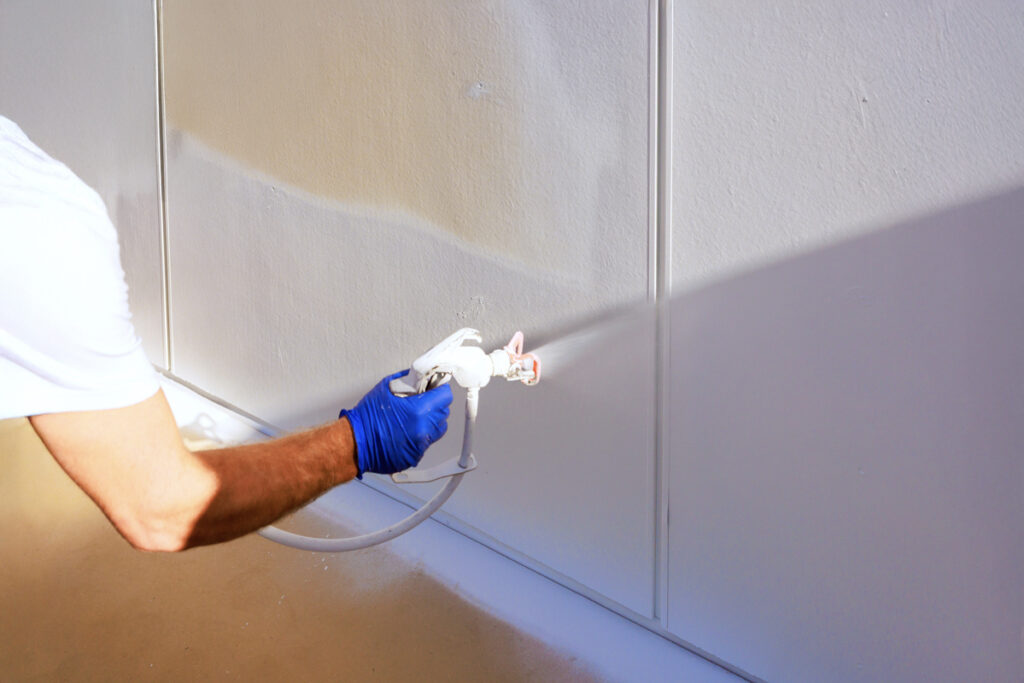
For homeowners planning a broader remodel, brand selection should also match the rest of the finish package. Floor color, plank width, trim style, and wall paint all affect the final result. That is one reason many people coordinate flooring with related updates like interior painting services and finish carpentry instead of choosing materials one room at a time.
Popular product categories to look for
Rather than chasing one “best” manufacturer, focus on the category that fits your home:
| Product Category | Best Use | What to Check |
|---|---|---|
| Entry-level vinyl plank | Rental units and quick cosmetic updates | Wear layer and locking strength |
| Luxury vinyl plank flooring | Primary living spaces and resale-focused remodels | Texture realism and warranty |
| Rigid core vinyl plank flooring | Homes with pets, kids, or minor subfloor variation | Core density and underlayment |
| Waterproof vinyl plank flooring | Kitchens, bathrooms, and coastal homes | Moisture rating and edge sealing |
If you are replacing floors as part of a larger house upgrade, it helps to review how the material will transition into stairs, baseboards, and door casings. In many remodels, built-ins, trim, and custom details matter just as much as the plank itself, which is why some homeowners also explore custom carpentry services during planning.
Vinyl Plank Flooring Costs in Miami: Material, Installation, and Hidden Factors
Cost is one of the biggest reasons homeowners choose vinyl plank flooring, but the final price depends on more than the box price at a showroom. Material quality, subfloor prep, room layout, demolition, and trim work all affect the total investment.
What affects pricing the most
In Miami-Dade and surrounding areas, vinyl plank flooring costs usually vary based on these factors:
- Product grade, including standard vinyl, luxury vinyl plank flooring, or rigid core vinyl plank flooring
- Wear layer thickness and attached underlayment
- Square footage and room shape
- Existing floor removal and disposal
- Subfloor leveling, moisture testing, and crack repair
- Baseboard removal, replacement, and repainting
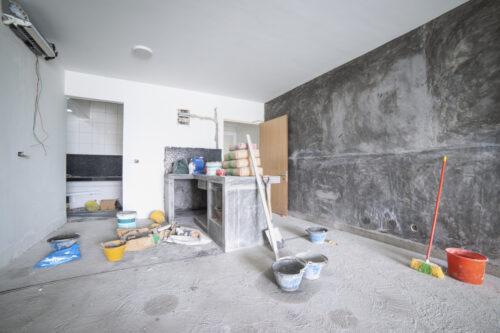
A simple condo installation may move quickly if the slab is clean and level. An older Miami home may need much more prep before the first plank goes down. That prep is not optional. If the slab has moisture issues or uneven spots, even the best vinyl plank flooring brands can fail early.
Why subfloor prep matters in South Florida
South Florida homes often sit on concrete slabs, and those slabs can hold moisture or show minor movement over time. Waterproof vinyl plank flooring protects against spills from above, but it does not fix moisture vapor coming through the slab. Professional installers may recommend moisture testing, patching, or leveling compound before installation.
This is especially important in ground-floor spaces, older ranch homes, and homes near the water in areas like Coconut Grove or Miami Beach. If your remodel also includes layout changes or wall repairs, related work such as drywall repair and finishing may need to happen before flooring installation so the final transitions look clean.
How to budget smarter
A smart budget looks beyond material samples and includes the full scope of work. Ask for a written estimate that separates material, labor, prep, trim, and any additional repairs. That makes it easier to compare bids fairly and avoid surprise costs later.
For homeowners planning kitchens, bathrooms, or full interior updates, flooring should be priced as part of the whole renovation plan, not as an isolated line item. New appliances, vanity heights, door clearances, and baseboard profiles can all affect the flooring scope. If you are coordinating multiple upgrades at once, a licensed team that handles home renovation services in Miami can help you sequence the work properly.
How to Choose the Right Vinyl Plank Flooring for Your Home
The right floor depends on how your home is used. A stylish sample is not enough. You want a product that fits your traffic level, moisture exposure, design goals, and long-term plans for the property.
Best choices by room
Different rooms call for different priorities. Here is a simple way to think about it:
- Living rooms and open layouts: choose luxury vinyl plank flooring with a realistic texture and longer planks for a more refined look
- Kitchens: prioritize waterproof vinyl plank flooring with a durable wear layer and easy cleanup
- Bathrooms: confirm the product is rated for wet areas and pair it with proper installation details at tubs and vanities
- Bedrooms: focus on comfort underfoot, sound control, and design continuity
- Rental properties: choose durable vinyl plank flooring brands with reliable warranties and easy plank replacement
For many Miami homeowners, lighter oak tones, warm naturals, and soft driftwood finishes work well with contemporary tropical and coastal interiors. In Mediterranean Revival homes, a medium-tone plank can soften the look of stone and plaster finishes without feeling too cold or too modern.
Questions to ask before you buy
Before making a final decision, ask your contractor or flooring specialist these practical questions:
Is the product suitable for concrete slab installation? Does the warranty require a moisture barrier? How thick is the wear layer? Will appliances and cabinetry be installed before or after the floor? Will doors need trimming? These details matter more than marketing labels.
If the project includes kitchens or bathrooms, flooring should be coordinated with cabinet layout, plumbing fixtures, and transitions. That is why many homeowners compare materials while planning kitchen remodeling services or wet-area upgrades instead of choosing the floor at the very end.
Final Buying Advice for 2026
The best vinyl plank flooring is the one that matches your home, not just the one with the most advertising behind it. For Miami homeowners, that usually means balancing moisture resistance, realistic appearance, wear-layer durability, and proper installation over a stable subfloor. Luxury vinyl plank flooring remains a strong all-around choice, while rigid core vinyl plank flooring often makes sense for active households and older slabs that are not perfectly uniform.
As you compare vinyl plank flooring pros and cons, keep your full remodel in mind. The right color, plank size, and installation method should support the way your kitchen, bathrooms, walls, and trim all come together. A well-planned floor can make a condo feel larger, help a family home handle daily wear, and improve the overall finish quality of a renovation.
If you want help comparing vinyl plank flooring brands, evaluating slab conditions, or planning a complete remodel, Newrome provides licensed, insured craftsmanship for homes across Miami and South Florida. You can request a free consultation to review your flooring options, budget, and renovation goals with an experienced local team.