Florida floors deal with humidity, wet feet, sand, pets, and heavy daily use. If you’re comparing laminate vs vinyl flooring for a Miami home, the right choice can save you money, reduce maintenance, and hold up better in kitchens, bathrooms, and open living spaces. Here’s how LVP and laminate really perform in South Florida conditions.
Laminate vs Vinyl Flooring: What Florida Homeowners Need to Know First
If you are weighing laminate vs vinyl flooring for a home in Miami, Miami Beach, Coral Gables, or Brickell, climate should be one of your first filters. Both materials are popular because they can mimic hardwood, install faster than tile, and work well in modern remodels. But they are not built the same, and that difference matters in South Florida.
Luxury vinyl plank, often called LVP, is made with a synthetic core and a wear layer designed to resist moisture. Laminate usually has a fiberboard core with a printed top layer and protective finish. That makes the difference between vinyl and laminate flooring especially important in homes exposed to humidity, rain, pool traffic, and frequent air-conditioning changes.
For homeowners planning a larger update, flooring should also be considered with the rest of the house. If your project includes layout changes, finishes, and multiple rooms, you can discover full home renovation options that help your flooring choice work with the entire design. If you want room-specific guidance, Newrome also offers expert flooring services for Miami-area homes.
Quick answer: which one handles Florida better?
In most cases, vinyl flooring vs laminate is an easy call for Florida homes: LVP usually performs better in moisture-prone spaces. That does not mean laminate is a bad product. It can still be a smart option in dry bedrooms, offices, and some living areas where you want a firmer underfoot feel and a wood-like look at a competitive price.
The key is matching the product to the room, the subfloor, and the way your household lives every day.
LVP vs Laminate: Core Differences That Affect Daily Performance
The biggest issue in the laminate flooring vs vinyl debate is water resistance. In South Florida, even well-maintained homes deal with indoor humidity, tracked-in rainwater, and occasional plumbing concerns. A floor that looks great in a showroom may behave very differently after a few wet seasons.
How luxury vinyl plank is built
LVP is typically made in layers that include a wear layer, a printed design layer, and a waterproof or highly water-resistant core. Many products use SPC or WPC construction. SPC, or stone plastic composite, tends to feel denser and more rigid. WPC, or wood plastic composite, often feels a little softer underfoot.
That layered build is one reason many Miami remodelers recommend LVP for open-plan homes, condos, and family properties near the water.
How laminate is built
Laminate also uses layers, but the core is commonly high-density fiberboard. The top image layer can look very realistic, and many homeowners like the crisp, hardwood-style texture. The challenge is that a fiberboard core is more vulnerable if water gets into the seams or edges. Some newer laminate products offer better water resistance, but they still require more caution than most LVP products.
For homes with active kitchens or bathrooms, this difference becomes more than a technical detail. It affects swelling, joint performance, and long-term appearance.
Side-by-side comparison
Here is a simple way to compare lvp vs laminate for common Florida concerns.
| Feature | Luxury Vinyl Plank | Laminate |
|---|---|---|
| Moisture resistance | Usually excellent | Moderate to limited, depends on product |
| Best rooms | Kitchens, bathrooms, living areas, condos | Bedrooms, offices, dry living spaces |
| Feel underfoot | Slightly softer or more resilient | Often firmer and more wood-like |
| Florida suitability | Strong fit for humid climates | Better in controlled, low-moisture areas |
If you are remodeling a kitchen or bath, flooring should be selected with cabinets, plumbing fixtures, and transitions in mind. You can explore kitchen remodeling services or learn about bathroom remodeling to make sure the floor material fits the whole renovation plan.
The Difference Between Vinyl and Laminate Flooring in Florida Conditions
South Florida homes face a mix of conditions that many national flooring guides barely mention. Salt air near the coast, strong sun exposure through large glass openings, wet shoes during summer storms, and high indoor-outdoor traffic all affect floor performance.
Humidity and moisture exposure
This is where vinyl vs laminate flooring becomes a practical decision, not just a style preference. Vinyl usually handles moisture better because the core does not absorb water the same way laminate can. In a Miami condo with balcony access, a Pinecrest family home with kids and pets, or a Coconut Grove property with pool traffic, that matters.
Laminate can still work well if the room stays dry and the installation is done correctly. Expansion gaps, underlayment choice, and seam protection all play a role. But if you expect repeated dampness, LVP is generally the safer pick.
Heat, sunlight, and indoor comfort
Florida homes often have large sliding doors, bright sun, and long cooling cycles. Both materials can be affected by heat, especially lower-quality products. A professional installer will check manufacturer requirements for acclimation, subfloor flatness, and expansion space. That is especially important in contemporary tropical homes and renovated Mid-Century Modern properties with wide, open rooms.
Color also matters. Very dark planks may show dust and sand more quickly, while very light finishes can help a space feel cooler and brighter. Many Miami homeowners lean toward natural oak looks, whitewashed tones, and warm neutral planks that pair well with coastal and Mediterranean Revival interiors.
Best places to use each material
If you want a quick planning guide, start here:
- Choose LVP for bathrooms, kitchens, laundry areas, entry zones, and homes with pets or pool access.
- Choose laminate for bedrooms, home offices, and lower-moisture living spaces where a wood-like feel is a priority.
- Use extra caution with laminate in ground-floor units, flood-prone areas, or homes with frequent door openings during rainy months.
In some renovations, the best answer is not one material for the entire house. A mixed approach can work well if transitions are planned carefully and the design stays consistent.
Installation, Maintenance, and Long-Term Value for Miami Homes
The laminate vs vinyl flooring decision should not be based on appearance alone. Installation quality, subfloor prep, and long-term maintenance have a huge effect on how the floor performs. In Miami-Dade homes, slab conditions, moisture levels, and room-to-room transitions need to be checked before any planks go down.
Why subfloor prep matters
LVP and laminate both need a clean, level subfloor. If the slab has low spots, cracks, or moisture issues, the finished floor may flex, separate, or wear unevenly. In older South Florida homes, especially in neighborhoods with a mix of original and renovated spaces, this step is often where experienced contractors add the most value.
For homeowners comparing materials during a broader remodel, it helps to review past work and design execution. You can view completed projects to see how Newrome approaches finish quality across different home styles and renovation scopes.
Maintenance expectations
Both floors are easier to maintain than natural hardwood, but they are not maintenance-free. Sand and grit can act like sandpaper on the surface, especially in homes near the beach. Regular sweeping, soft cleaning tools, and prompt attention to spills will help either material last longer.
LVP usually offers more peace of mind for households that want a lower-stress flooring option. Laminate may require a little more discipline around moisture, especially near sinks, exterior doors, and pet bowls.
Choosing with resale and renovation goals in mind
For many homeowners and investors, vinyl flooring vs laminate also comes down to risk management. If the property is a rental, vacation home, or busy family residence, LVP often wins because it is more forgiving. If the goal is a warm, wood-inspired look in a low-moisture area, laminate can still make sense with the right product grade and installation method.
If you want help choosing materials that fit your floor plan, lifestyle, and neighborhood market, you can request a free consultation with Newrome’s licensed and insured team in Miami.
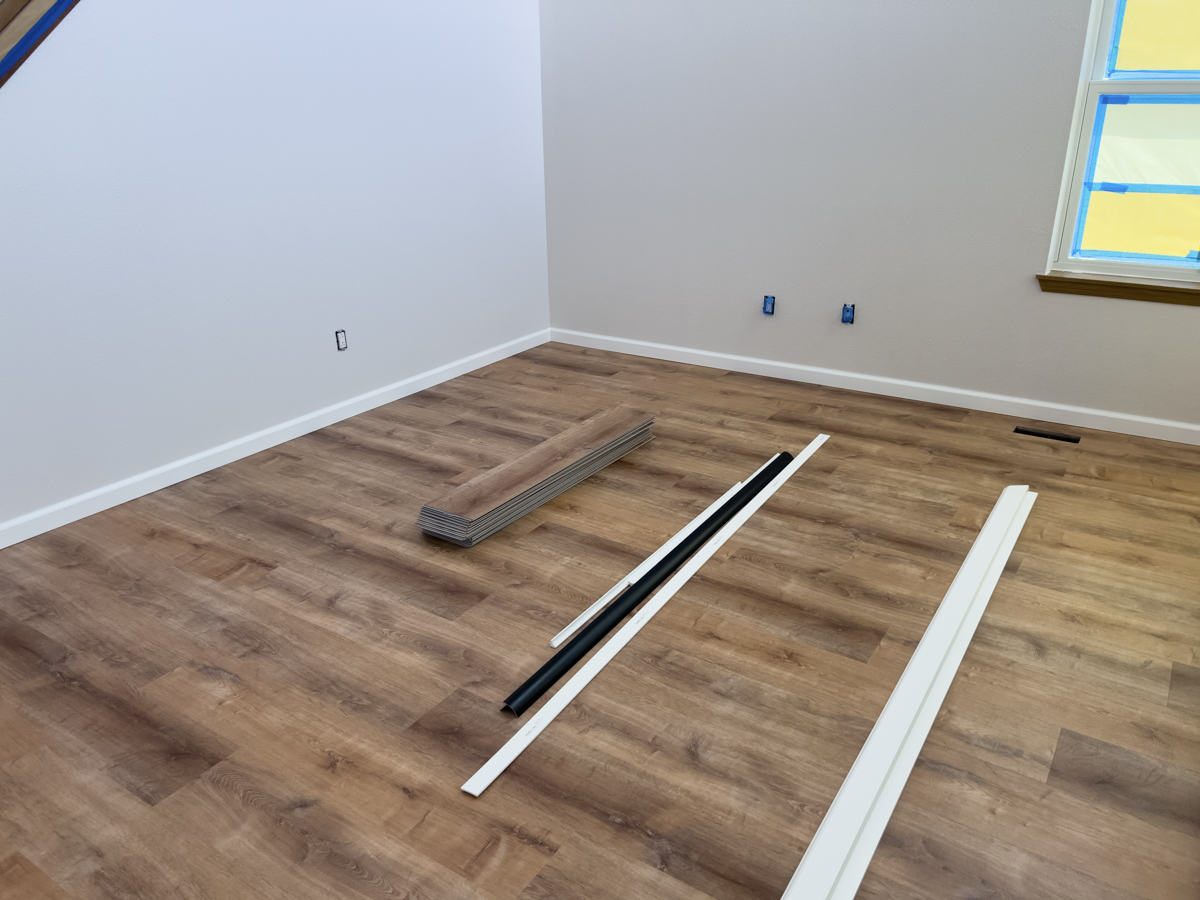
Laminate Flooring vs Vinyl: Comfort, Sound, and Style in Real Homes
Beyond moisture performance, laminate flooring vs vinyl also comes down to how the floor feels day to day. In Miami and Miami-Dade homes, that means thinking about bare feet on cool mornings, sound in open layouts, and the visual style you want across the entire home remodel.
Underfoot feel and everyday comfort
Many homeowners notice the feel first. Laminate often has a firmer, more hardwood-like step because of its dense fiberboard core. Some people prefer that solid feel in bedrooms, offices, and formal living spaces. LVP usually has a bit more give, especially when paired with the right underlayment, which can make it more comfortable in homes where people stand for long periods in kitchens or move constantly between indoor and outdoor spaces.
That difference between vinyl and laminate flooring matters in family homes with kids, pets, or older adults. A slightly softer surface can feel easier on joints, while a firmer floor may feel more premium to homeowners focused on a classic wood-floor look.
Noise levels in condos and open floor plans
Sound control is another practical issue, especially in Brickell condos, Miami Beach apartments, and modern South Florida homes with large open rooms. Laminate can sound louder underfoot if the subfloor is uneven or the underlayment is not chosen carefully. LVP often performs better for noise reduction, although product quality makes a big difference.
If you are renovating a condo, building rules may also affect your flooring choice. Some associations require specific sound ratings or underlayment systems before installation. That is one reason it helps to work with professionals who understand both finish selection and local project planning. For homeowners comparing options room by room, Newrome’s flooring installation services can help match the right product to the space and building conditions.
Style flexibility for Miami interiors
Both materials offer strong design flexibility, but they create slightly different results. Today’s LVP comes in a wide range of plank widths, matte finishes, and natural wood tones that fit contemporary tropical, coastal, and transitional interiors. Laminate also offers realistic wood visuals and often sharper surface texture, which some homeowners like in Mediterranean Revival and Mid-Century Modern homes.
For a clean and cohesive result, try to coordinate flooring with these design elements:
- Cabinet color and wood tone
- Wall paint and natural light exposure
- Interior door style and baseboards
- Countertop material and backsplash finish
Flooring should support the larger design, not compete with it. If your renovation includes trim, wall updates, and finish changes, you can also explore interior painting services to create a better color flow from room to room.
LVP vs Laminate: Cost, Lifespan, and Repair Considerations
Many homeowners start with price, but the smarter question is value over time. In the lvp vs laminate comparison, the lower upfront option is not always the better long-term choice for a Florida property. Moisture exposure, wear patterns, and future repairs can change the real cost of ownership.
What affects total project cost
Material price is only one part of the budget. The final cost depends on plank quality, wear layer, underlayment, subfloor repairs, trim work, furniture moving, and installation complexity. Open-concept homes in Coral Gables or Pinecrest may need more detailed transition planning, while condo renovations may involve delivery rules, elevator access, and sound-control requirements.
LVP sometimes costs more than entry-level laminate, but it can offer better value in wet or high-traffic spaces because it is less likely to swell or fail after repeated moisture exposure. Laminate can still be budget-friendly and attractive in dry rooms where those risks are lower.
Expected lifespan in South Florida conditions
Product quality matters more than labels alone. A well-made laminate floor in a dry, climate-controlled bedroom may last for years and still look great. A low-grade vinyl floor in a poorly prepared space can fail early. That said, vinyl flooring vs laminate usually favors LVP for longer performance in kitchens, bathrooms, and busy living areas because it handles water and wear more consistently.
Homes near the coast also need to consider sand and salt residue. Fine grit can wear down surface finishes over time, so entry mats and regular cleaning matter no matter which material you choose.
Repairs and replacement planning
One overlooked part of laminate vs vinyl flooring is repair strategy. If a laminate plank swells from water intrusion, replacement may be more urgent because the damaged edges can affect nearby boards. LVP is not damage-proof, but it generally gives homeowners more flexibility in wet environments.
Before installation, ask your contractor these questions:
- Is the subfloor level and dry enough for this product?
- What expansion gap is required for this room size?
- Will this floor work near sliders, tubs, and kitchen cabinets?
- Can matching planks be stored for future repairs?
Those details matter just as much as color and price. If the flooring is part of a larger house upgrade, it may make sense to discover full home renovation options so all finishes, transitions, and room functions are planned together.
Best Choice by Room, Lifestyle, and Property Type
The best answer to laminate vs vinyl flooring depends on where the floor is going and how the home is used. A design-forward condo in Aventura has different needs than a family home in Coconut Grove or an investment property in Miami Beach.
Best flooring choice by space
Here is a simple room-by-room guide for laminate flooring vs vinyl in Florida homes.
| Room or Use | Better Option | Main Reason |
|---|---|---|
| Kitchen | LVP | Handles spills, humidity, and heavy traffic better |
| Bathroom | LVP | Better moisture resistance around sinks and tubs |
| Bedroom | Laminate or LVP | Depends on comfort preference and design goals |
| Rental or vacation property | LVP | More forgiving for turnover, pets, and wet shoes |
If your project includes wet areas, flooring should be coordinated with plumbing fixtures, vanities, and waterproofing details. That is especially true in older Miami homes and condo remodels where existing conditions can vary. You can learn about bathroom remodeling services if you want the floor choice to work with the full bath design.
For families, investors, and design-focused homeowners
For busy families, vinyl vs laminate flooring usually points to LVP because it is easier to live with. Wet feet, pet bowls, spilled drinks, and tracked-in rain are less stressful on a floor built for moisture resistance. For investors, LVP can also be a safer choice because it reduces the chance of damage between tenants or guests.
Laminate still has a place. If your priority is a crisp wood look in a dry room and you want a firm feel underfoot, it can be a smart option. The key is not forcing one material into every room just for consistency.
Final verdict for Florida homes
For most South Florida properties, LVP is the more practical all-around flooring choice. It fits the climate better, performs well in moisture-prone areas, and works for many modern Miami layouts. Laminate remains a solid option in selected dry spaces where appearance, feel, and budget line up.
If you are comparing laminate vs vinyl flooring for a condo, family home, or investment property, the best results come from matching the product to the room, subfloor, and daily lifestyle. Newrome helps homeowners across Miami create flooring plans that look polished and hold up over time. To get expert guidance for your space, you can request a free consultation and speak with a licensed, insured team that understands South Florida renovation needs.
Frequently Asked Questions
How much does laminate vs vinyl flooring cost for a Miami home renovation?
Flooring cost depends on the product grade, room size, subfloor condition, and installation details. LVP may be a better long-term value in Miami because it usually handles humidity, wet feet, pets, and pool traffic better than laminate. Laminate can still be cost-effective in dry bedrooms or offices. Newrome can help you compare options based on your home, lifestyle, and renovation goals.
How long does it take to install vinyl vs laminate flooring in a Miami remodel?
The timeline depends on how many rooms are involved, whether old flooring must be removed, and how much subfloor prep is needed. In Miami homes, checking slab moisture, cracks, low spots, and room transitions is important before installation. LVP and laminate can both install faster than tile, but a proper prep process helps prevent flexing, separation, and uneven wear later.
What is involved in choosing and installing LVP vs laminate flooring?
The process starts with matching the flooring to each room, your subfloor, and your daily lifestyle. Newrome looks at moisture exposure, pets, pool access, kitchen and bathroom use, sunlight, and design goals. Then the subfloor is checked for levelness and moisture concerns. Proper expansion space, underlayment, and clean transitions are key for both laminate flooring vs vinyl installations.
What is the difference between vinyl and laminate flooring for Florida humidity?
The biggest difference between vinyl and laminate flooring is the core. Luxury vinyl plank usually has a synthetic, waterproof or highly water-resistant core. Laminate often has a fiberboard core, which can swell if water reaches seams or edges. For Miami kitchens, bathrooms, laundry rooms, condos, and homes with wet feet or pets, LVP is usually the safer choice.
Do I need permits or special checks when replacing flooring in Miami-Dade?
Permit needs can depend on the full scope of work, especially if flooring is part of a larger kitchen remodel, bathroom renovation, layout change, or full home renovation. Even when the flooring choice seems simple, Miami homes need proper checks for slab condition, moisture, and transitions. Newrome’s licensed and insured team can guide you through renovation planning and compliance considerations.
Does vinyl flooring vs laminate improve resale value in a South Florida home?
The right flooring can support resale by making the home feel updated, durable, and easier to maintain. In South Florida, LVP often appeals to buyers and investors because it is more forgiving in humid, high-traffic, and moisture-prone spaces. Laminate can still add value in dry rooms when you want a warm wood-inspired look and a firmer feel underfoot.