A realistic bathroom remodel timeline helps you plan around permits, demolition, tile work, inspections, and the small delays that often surprise homeowners. If you’re asking how long does a bathroom remodel take, this guide gives you a practical week-by-week view so you can budget time, reduce stress, and make smarter renovation decisions in Miami.
If you’re asking how long does a bathroom remodel take, the honest answer is: most bathroom remodels take several weeks, not just a few days. The exact timeline depends on the size of the space, the scope of work, material lead times, permit requirements, and how much plumbing or electrical work changes behind the walls. In Miami and across Miami-Dade, inspections, humidity, and Florida code requirements can also affect the schedule.
For a standard primary or guest bath, homeowners should expect a planning phase plus an active construction phase that often runs from two to six weeks. Larger or more custom projects can take longer. If your remodel is part of a full home renovation or a combined kitchen bathroom remodel, the timeline may shift based on how trades are coordinated.
How Long Does a Bathroom Remodel Take in Real Life?
A cosmetic bathroom update with no layout changes can move faster than a full gut renovation. Replacing finishes, installing a new vanity, updating fixtures, and repainting may be completed more quickly than a project that relocates drains, adds recessed lighting, or rebuilds a shower.
Typical timeline ranges
- Light refresh: about 1 to 3 weeks of active work
- Standard full remodel: about 3 to 6 weeks of active work
- Custom or structural remodel: 6 weeks or more
That does not always include design, product ordering, permit review, or inspection wait times. In South Florida, imported tile, custom vanities, frameless glass, and specialty plumbing fixtures can all extend the schedule if they are not ordered early.
What affects the schedule most?
Permits and inspections
If your project includes electrical, plumbing, or layout changes, permits may be required. Miami-Dade municipalities can have different review timelines, and inspections must be passed before the next phase begins. A licensed team familiar with local code can help keep the process moving. If your remodel includes new circuits, lighting, or exhaust upgrades, review related electrical work early in the planning stage.
Material availability
Many delays happen before demolition even starts. If your tile is backordered or your vanity arrives damaged, the whole schedule can slide. Porcelain tile is often a smart choice in Miami bathrooms because it handles moisture well and offers strong durability. Natural stone can look beautiful, but it may need more maintenance in humid conditions.
Scope of plumbing changes
Keeping the toilet, shower, and sink in the same location usually saves time. Moving drains or supply lines adds labor, inspection steps, and drying time for patching and waterproofing. For projects with more involved pipe replacement or fixture relocation, it helps to plan with experienced bathroom plumbing services.
Week-by-Week Bathroom Remodel Timeline
Homeowners searching how long does a bathroom remodel take usually want a practical calendar. Here is a realistic week-by-week breakdown for a standard bathroom renovation.
Week 1: Planning, measurements, and ordering
This stage often happens before construction starts, but it is one of the most important parts of the timeline. Final measurements are confirmed, materials are selected, and permits are prepared if needed. This is also when your contractor checks existing conditions, such as moisture damage, uneven walls, aging shutoff valves, or outdated wiring.
In older homes in Coral Gables, Coconut Grove, or Miami Beach, hidden issues are common. Plaster walls, old cast iron lines, and nonstandard framing can affect labor time. If you want design ideas and scope options, you can learn about bathroom remodeling before construction begins.
Week 2: Demolition and rough adjustments
Once materials and permits are lined up, demolition starts. Old tile, vanities, tubs, toilets, and drywall are removed. After demo, the crew can see what is happening behind the walls. This is often when surprises show up, including mold, water damage, termite damage, or plumbing that does not meet current code.
If the layout is changing, rough plumbing and rough electrical usually begin here. Even a small change, like replacing a single vanity with a double vanity, may require updates to drains, venting, or outlets.
Week 3: Framing, rough-ins, and inspections
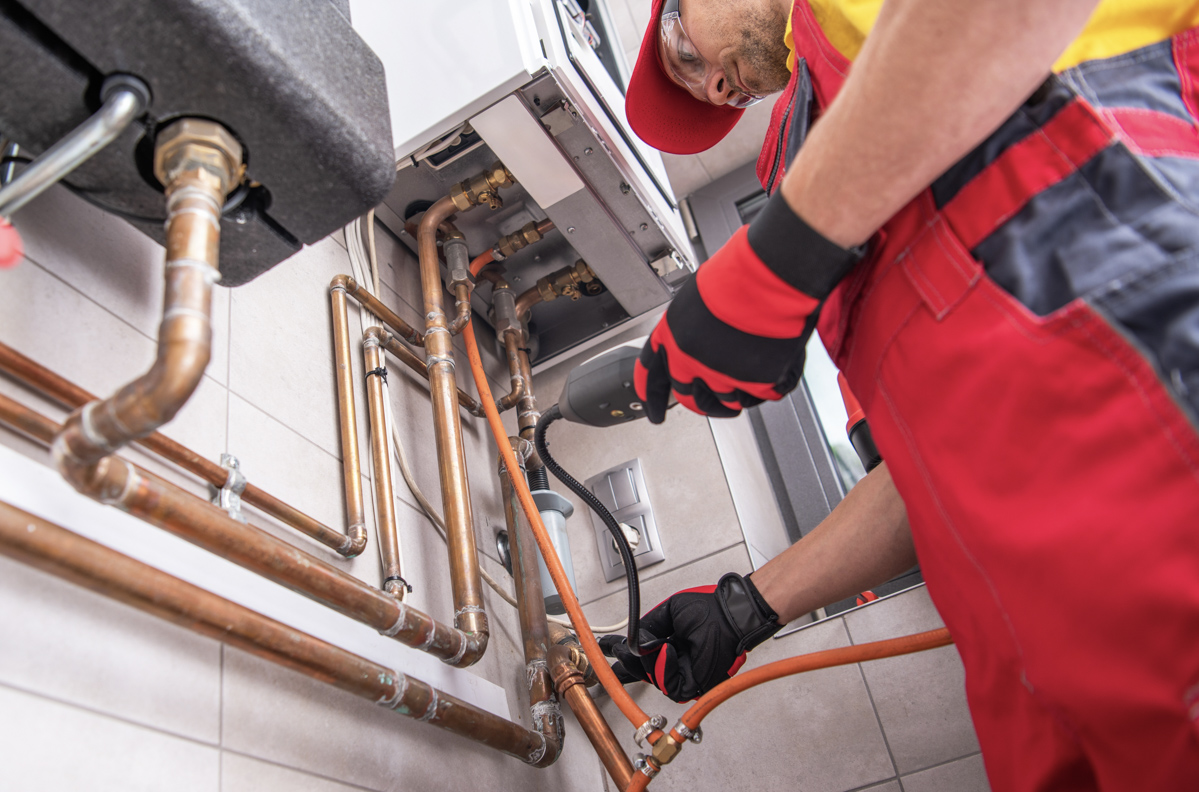
This is the infrastructure week. New blocking may be installed for grab bars, shower glass, floating vanities, or recessed medicine cabinets. Plumbing lines are adjusted, electrical boxes are set, and exhaust fans are upgraded if needed. In Florida bathrooms, proper ventilation matters because high humidity can lead to long-term moisture problems.
Inspection timing can affect this week. Work may pause until rough plumbing or electrical is approved. That pause is normal and should be built into the schedule.
Week 4: Wall prep, waterproofing, and tile work begins
After inspections, walls are closed and surfaces are prepared. In wet areas, proper waterproofing is critical. A shower is not ready for tile just because cement board is installed. It also needs a complete waterproofing system, especially in a Miami home where humidity is already high year-round.
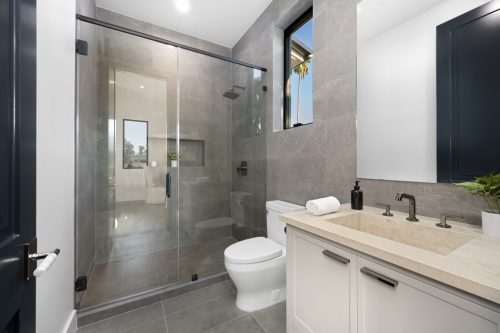
This is also where people ask, how long does it take to tile a bathroom? The answer depends on tile size, layout, and drying time. A simple floor with large-format porcelain tile may move quickly. A shower with niches, accent strips, herringbone patterns, or small mosaic floors will take longer because each cut and alignment matters.
How long does it take to tile a bathroom?
For a straightforward bathroom, tile installation may take a few days to over a week. The setting, leveling, grout curing, and waterproofing steps all need time. Rushing tile work often leads to lippage, cracked grout, or moisture issues later. Quality tile installation is one area where patience protects your investment.
Why Some Bathroom Remodels Take Longer Than Expected
Even well-planned projects can shift. That does not always mean something went wrong. It often means the contractor is addressing issues correctly instead of covering them up.
Common causes of delay
- Backordered tile, vanities, or plumbing fixtures
- Failed or rescheduled inspections
- Hidden water damage or mold after demolition
- Custom glass fabrication for showers
- Changes requested after work begins
Miami homeowners also need to consider local weather and building realities. If your project is part of a larger remodel involving windows, exterior access, or moisture-sensitive materials, tropical storms and high humidity can affect installation sequencing. In some homes, especially near the coast, salt air and moisture exposure make material choice even more important.
How bathroom timelines compare to other remodels
Many homeowners planning multiple projects ask how long does a kitchen remodel take or how long does a home remodel take. In general, kitchens often take longer than bathrooms because they involve more cabinetry, appliances, and utility coordination. Whole-house renovations take much longer because every room depends on scheduling between trades. If you are comparing project scope, you can view our completed projects to see how different remodel types come together.
Budget also plays a role. People often ask how much does a bathroom remodel cost at the same time they ask about timing. Higher-end finishes do not always mean a longer build, but custom orders and specialty details often do. Frameless glass, slab shower walls, floating vanities, smart toilets, and built-in lighting can all add steps.
How to Keep Your Bathroom Remodel on Schedule
Make decisions before demolition starts
The best way to avoid delays is to finalize selections early. Choose tile, grout color, vanity size, plumbing trim, mirrors, lighting, and paint before the crew starts demo. Waiting until the middle of the job creates gaps in the schedule.
Work with a licensed, organized remodeling team
A bathroom remodel moves faster when one team manages the sequence clearly: demolition, rough-ins, inspections, waterproofing, tile, finish plumbing, paint, and punch list. That kind of coordination matters even more if your bathroom is part of a larger Miami remodel. If you’re ready to discuss timing, scope, and finish options for your home, you can request a free consultation.
Week 5: Tile completion, grout, and finish surface prep
By this stage, homeowners asking how long does a bathroom remodel take are usually seeing the room finally look like a bathroom again. Wall tile, shower floors, bathroom floor tile, and accent details are completed, then grout is installed and allowed to cure. If natural stone is used, sealing may also be required before the next trades come in.
This week is where craftsmanship really shows. Clean layout lines, even grout joints, smooth transitions, and proper slope toward the drain all matter. In South Florida homes, especially in older properties in Coral Gables or Miami Beach, floors are not always perfectly level, so extra prep may be needed to get a professional result. If your remodel includes new subfloor finishes outside the bath, it also helps to coordinate flooring installation services early so heights and transitions are planned correctly.
For homeowners still wondering how long does it take to tile a bathroom, this is why the answer varies so much. A basic tub surround and floor may move quickly. A curbless shower, large-format porcelain, handmade zellige, or detailed mosaic pattern takes more time because spacing, waterproofing details, and cure times cannot be rushed.
Week 6: Vanity, fixtures, lighting, paint, and punch list
Once tile and grout are cured, finish installation begins. The vanity is set, countertops are installed, faucets and shower trim go in, mirrors are mounted, lighting is connected, and the toilet is reset. This is also when towel bars, accessories, and glass shower enclosures are scheduled if measurements were taken earlier.
Finish work brings the schedule together
Finish work often looks simple, but it requires careful coordination. Electricians may return to install sconces, GFCI outlets, exhaust fan covers, and dimmers. Plumbers connect sinks, drains, shower valves, and fixtures. Walls are patched and painted after the heavier work is complete, which is why many contractors schedule final touchups near the end. If your project includes adjacent repairs or skim coating after demolition, review related drywall services as part of the full scope rather than treating them as a last-minute add-on.
Final inspections and punch list items
If permits were required, final inspections may happen around this stage. Any remaining punch list items are addressed, such as adjusting cabinet doors, sealing edges, correcting paint touchups, or checking fixture alignment. A good contractor also tests drainage, ventilation, lighting, and waterproof transitions before calling the project complete.
For a straightforward remodel, this may be the final week. For a custom primary bath with built-in niches, floating cabinetry, specialty lighting, and frameless glass, expect another week or two for final fabrication and detailing.
How Bathroom Timelines Compare to Kitchen and Whole-Home Remodels
Homeowners rarely renovate just one room forever. Once a bathroom is done, the next question is often how long does a kitchen remodel take or how long does a home remodel take. Bathrooms are usually smaller, but they are dense with labor because so many systems fit into a compact space.
How long does a kitchen remodel take?
A kitchen typically takes longer than a bathroom because it involves cabinetry, countertops, appliances, plumbing, electrical, backsplash work, and more inspections in one larger area. Custom cabinets and stone fabrication can add lead time before installation even starts. If you are planning both spaces together, explore kitchen remodeling services early so the bathroom and kitchen schedules can be coordinated rather than competing for trades and deliveries.
How long does a home remodel take?
A full home remodel takes much longer because the work is phased across multiple rooms and systems. Flooring, painting, doors, windows, kitchens, bathrooms, and structural updates all affect one another. In Miami-Dade homes, permit sequencing and municipal inspections can stretch the timeline if the project includes major mechanical or layout changes. If your bathroom is just one piece of a larger upgrade, you can discover full home renovation options to better understand how trades are sequenced across the entire property.
A combined kitchen bathroom remodel can be efficient when planned well. It may save time on design coordination, material ordering, and permit administration. But it also requires stronger project management, since one delay in cabinetry, tile, or inspections can affect both rooms.
What Impacts Cost and Timeline at the Same Time?
Many people asking how long does a bathroom remodel take are also asking how much does a bathroom remodel cost. These two questions are connected. The more custom the work, the more labor steps, specialty materials, and scheduling coordination are involved.
Choices that can extend the schedule
- Moving plumbing fixtures to new locations
- Installing a curbless shower or linear drain
- Using custom vanities or made-to-order millwork
- Choosing frameless glass that requires final field measurements
- Adding recessed lighting, heated floors, or smart controls
Material decisions matter in Miami
In Miami and other coastal South Florida neighborhoods, durability matters as much as style. Porcelain tile is often preferred over ceramic in wet areas because it is denser and handles moisture well. Quartz vanity tops are popular because they are low maintenance and resist staining better than some natural stones. Moisture-resistant paint and proper ventilation help reduce mildew issues in humid homes, especially in Brickell high-rises, Pinecrest family homes, and older Miami Beach properties.
Even design style affects timing. A clean contemporary bath with large-format tile may install faster than a traditional Mediterranean-inspired bathroom with decorative borders, niches, and trim pieces. Mid-Century Modern and Art Deco-inspired details can look beautiful in South Florida homes, but custom design features usually add labor hours.
How to Plan a Smoother Bathroom Remodel in Miami
Order long-lead materials before demo
Vanities, plumbing trim, specialty lighting, and shower glass are common delay points. If those items are selected and ordered before demolition, your contractor has a better chance of keeping the project on track.
Build in time for permits and inspections
Miami-area remodeling is not just about labor. It is also about approvals, inspections, and code compliance. Florida Building Code requirements for wet areas, electrical safety, and ventilation are there for a reason. A licensed, insured contractor should plan for those checkpoints from the start instead of treating them like surprises.
Expect hidden conditions in older homes
Older houses in Coral Gables, Coconut Grove, and parts of Miami may have outdated wiring, aging cast iron plumbing, or moisture damage behind walls. Finding these issues during demo can add time, but correcting them protects the long-term value of the remodel.
Choose a team that manages the full sequence
The easiest way to lose time is to have trades working without a clear order. Demo, rough plumbing, electrical, inspections, waterproofing, tile, painting, finish plumbing, and punch list work should be scheduled as one connected process. If you want to see the standards and approach behind that kind of coordination, you can learn more about Newrome and the company’s renovation experience across Miami.
A realistic answer to how long does a bathroom remodel take is usually several weeks, with planning, ordering, and inspections often adding more time before and during construction. A simple refresh may move quickly, while a custom bathroom with layout changes, detailed tile work, and high-end finishes can take much longer. The key is not chasing the shortest timeline. It is choosing the right scope, ordering materials early, and working with a licensed team that understands Miami homes, humidity, permitting, and quality installation standards.
If you are planning a guest bath update, a primary suite remodel, or a larger kitchen bathroom remodel, Newrome can help you map out a realistic schedule and build plan. To discuss your goals, finish selections, and timeline with an experienced local team, request a free consultation.